What Is P2P Crypto Trading and Is It Safe?

Key takeaways
- P2P (peer-to-peer) trading means buying or selling crypto directly with another person, instead of buying from the exchange itself.
- A good P2P platform holds the seller's crypto in escrow — a locked holding account — while the buyer pays. This is your main protection, so always use it.
- As a seller, never release the crypto until you have confirmed the real payment landed in your own account. Screenshots and "pending" alerts can be faked.
- Most P2P scams happen when people trade outside the platform or rush the payment step. Slow down and follow the process.
- P2P can be safe and useful for local payment methods, but it carries more scam risk than a normal exchange buy — so it suits careful users, not people in a hurry.
P2P crypto trading is one of the most common ways people buy and sell crypto, especially where local banks or cards do not work well with exchanges. The idea is simple: instead of buying coins from the exchange, you buy them straight from another person, and they receive your money directly. The platform sits in the middle to keep both sides honest.
That "middle" part matters a lot. Done through a trusted platform with escrow, P2P can be smooth and fair. Done carelessly — or off-platform — it is a favourite hunting ground for scammers. This guide explains what P2P is, exactly how it works, the real risks, and the habits that keep you safe. It is written in plain English for beginners.
Who this guide is for:
- Beginners who keep seeing a "P2P" tab on an exchange and want to know what it does.
- People whose bank or card cannot buy crypto directly, so P2P is their main option.
- Anyone who wants to use P2P without getting scammed.
Want the bigger picture first? See our overview of the different ways to buy crypto, then come back to compare P2P with the other methods.
What is P2P crypto trading?
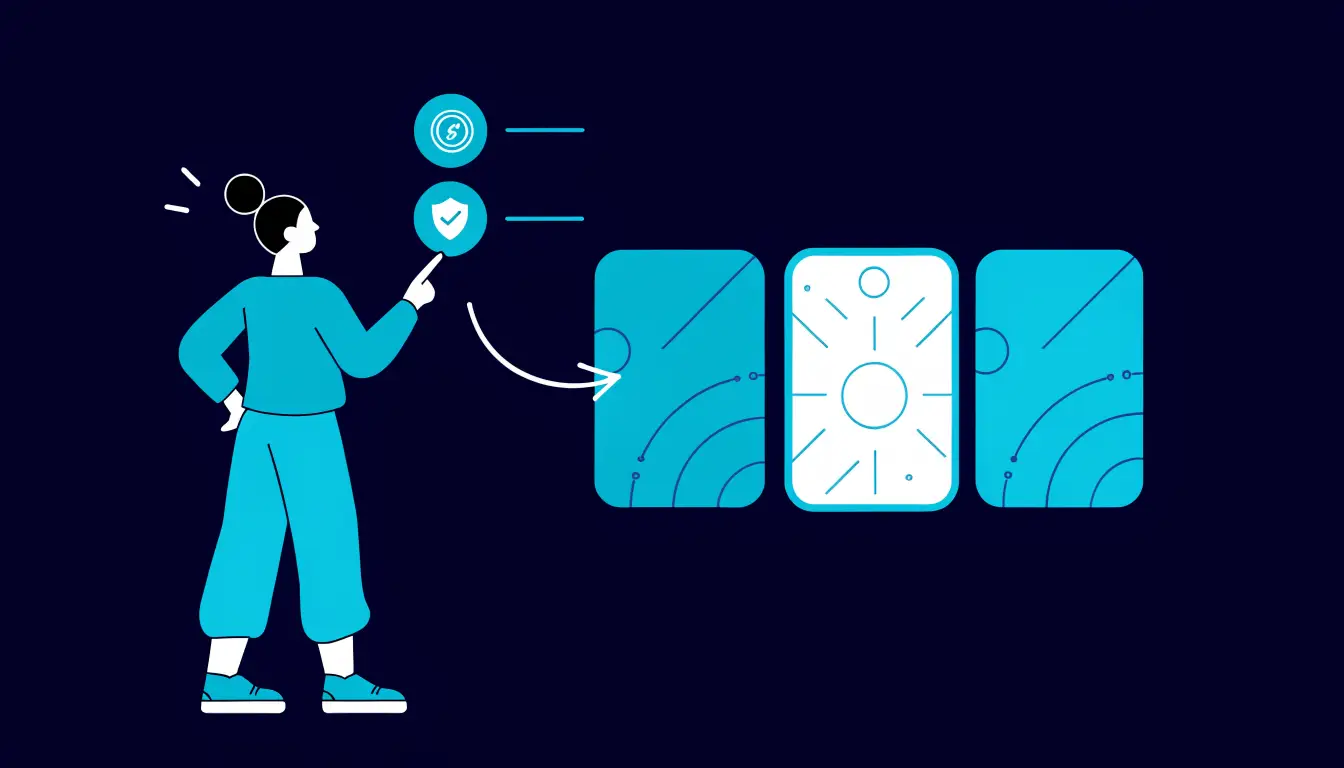
P2P crypto trading is buying or selling crypto directly with another person, usually through a platform that holds the crypto in escrow until both sides finish their part of the deal. "P2P" stands for peer-to-peer, which just means person-to-person.
Here is the difference from a normal buy. On a standard exchange, you buy crypto from the exchange's own market at the current price. With P2P, another user posts an offer — for example, "I will sell USDT, and I accept bank transfer or a mobile payment app." You take that offer, pay them using the method they listed, and they send you the crypto.
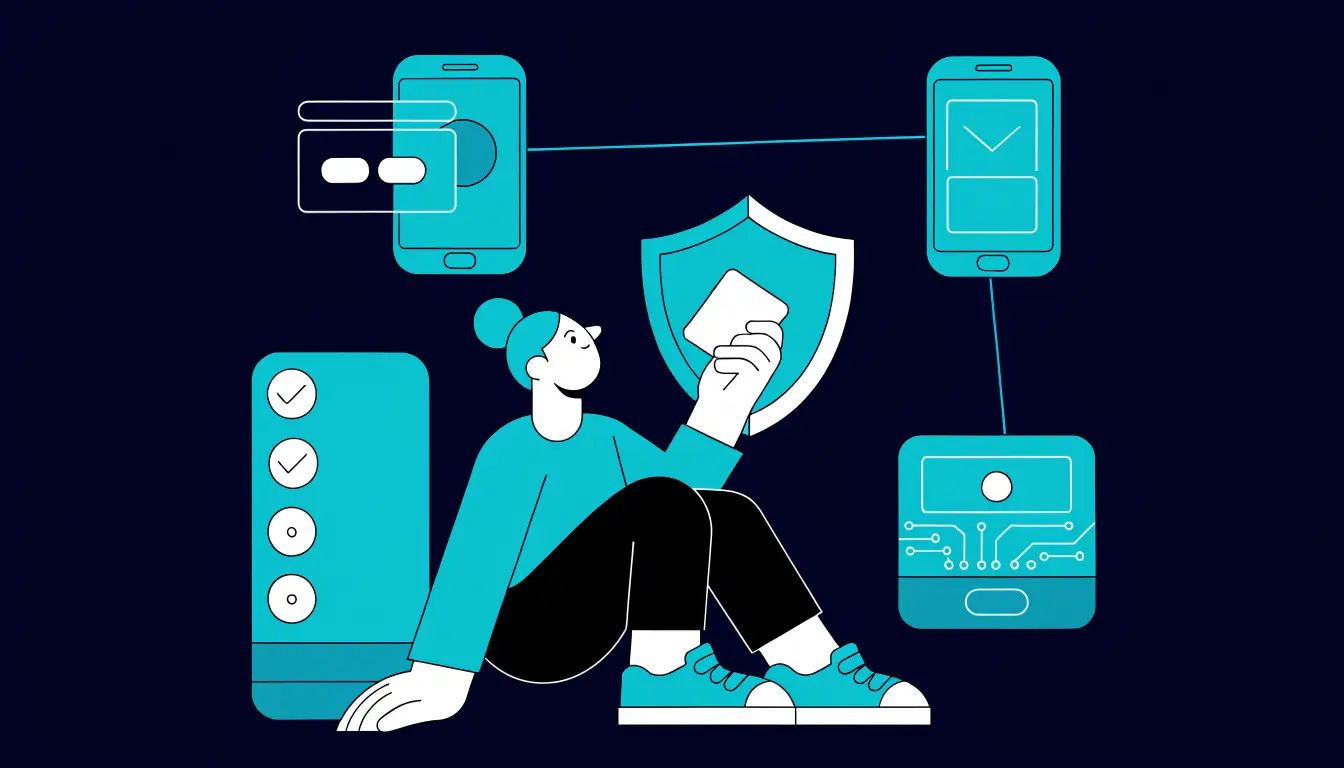
The platform's job is not to sell you the coins. Its job is to run the marketplace, show offers and prices, and — most importantly — hold the crypto in escrow so the seller cannot simply take your money and vanish. Escrow is the feature that turns a risky stranger-to-stranger deal into something workable.
Simple analogy: think of P2P like a classifieds marketplace with a trusted middleman. The seller hands the item to the middleman, you pay the seller, and only then does the middleman pass the item to you.
How P2P trading works, step by step
Most platforms follow the same basic flow. Here is a typical buy from the buyer's side:

- Pick an offer. Browse the list of sellers, then choose one based on price, the payment method you can use, and their trade history or rating.
- The platform locks the seller's crypto in escrow. When you open the trade, the platform moves the seller's coins into a locked holding account. The seller cannot touch them, and they are reserved for you.
- You pay the seller directly. You send the agreed money using the method shown — for example a bank transfer or a payment app — from your own account to the seller's account. The money does not go through the platform; only the crypto does.
- The seller confirms your payment. The seller checks that the money has actually arrived in their account, then marks the trade as paid.
- Escrow releases the crypto to you. Once the seller confirms, the platform releases the coins from escrow into your account. The trade is complete.
If you are the seller, the same steps run in reverse: your crypto goes into escrow, you wait for the buyer's payment, and you only release the coins after the money is confirmed in your account. If something goes wrong, most platforms let either side open a dispute, and support reviews the evidence.
Is P2P safe? The main risks
P2P can be safe when you use the platform's escrow and take your time — but it carries more scam risk than a plain exchange buy, because you are dealing with a stranger. Knowing the common tricks is half the protection.

- Fake payment proof. A buyer sends a screenshot or a "payment sent" message that looks real, but no money ever arrives. If a seller releases based on the picture instead of their actual account balance, the crypto is gone.
- Chargebacks and reversible payments. Some payment methods let the sender reverse the transfer after the fact. The buyer gets the crypto, then claws the money back, leaving the seller with nothing.
- Off-platform trades. A stranger asks you to cancel the trade and deal directly by chat, "to skip the fees." This removes escrow entirely, so there is nothing protecting you. It is the single biggest red flag in P2P.
- Phishing. Scammers send fake "trade confirmation" links or pretend to be support, hoping you enter your login or approve a transfer. Never click links a trading partner sends you.
- Releasing early. As a seller, releasing the crypto before the money truly lands — because the buyer is pressuring you or claims it is "on the way" — is how many people lose funds.
Warning: a screenshot, a text alert, or a "pending" notice is not proof of payment. Only treat a payment as real once you see the money settled in your own bank or app. If a trading partner rushes you or pushes you off the platform, stop the trade. Learn the wider patterns in our guide to common crypto scams.
How to stay safe on P2P
The good news is that almost every P2P scam relies on you breaking one simple rule. Follow these habits and you remove most of the risk:
- Only use reputable platforms with built-in escrow. The escrow is your safety net. A P2P service without it is not worth the risk.
- Never trade outside the platform. If anyone asks you to cancel, chat privately, or pay "direct" to save fees, treat it as a scam and walk away. Keep every step inside the platform so escrow and dispute support still cover you.
- Confirm the money actually arrived in your account. As a seller, log in to your own bank or payment app and check the real balance. Do not rely on screenshots, emails, or the buyer's word. Release only after the funds have settled.
- Keep records. Save the trade ID, chat messages, and payment references. If a dispute happens, this evidence is what protects you.
- Watch for reversible payment methods. Some transfers can be undone by the sender later. If you sell, prefer methods that are hard to reverse, and be extra careful with new or unverified buyers.
Tip: match the payment name and details to the trading partner's verified name where the platform shows it. Payments from a third party's account are a common warning sign and can even get your own account frozen.
Choosing where to trade matters too. A well-run platform with strong verification, active support, and clear dispute rules is safer than an unknown one — see how to choose a crypto exchange for what to look for.
Pros and cons of P2P
P2P is a tool, not a trap — but it is a fair bit more hands-on than a one-tap exchange buy. Here is an honest look at the trade-offs.
| Upside | Downside | |
|---|---|---|
| Payment options | Wide range — bank transfers, local apps, and methods exchanges may not support directly | Some methods are reversible, which adds risk for sellers |
| Availability | Works in regions where direct card or bank buys are limited | Higher scam risk because you deal with individuals, not the exchange |
| Speed | Can be fast once both sides are online and paying attention | Can stall if a partner is slow to pay or confirm, and disputes take time |
In short: P2P shines on flexibility and access, but it asks more care from you. If you value simplicity over choice, a standard exchange buy may suit you better.
Tips and common mistakes
Helpful tips
- Start with small trades to learn the flow before you move larger amounts.
- Prefer partners with a strong trade history and lots of completed deals and good ratings.
- Read the offer terms fully — payment window, accepted methods, and any conditions — before you open a trade.
- Turn on strong account security, including two-factor authentication, so a stolen password alone cannot drain your account.
Common mistakes to avoid
- Releasing crypto on a screenshot. Always confirm the money settled in your real account first.
- Cancelling escrow and dealing "direct." This throws away your only protection — never do it.
- Clicking links a trading partner sends. These are often phishing attempts; log in only through the official app or site.
- Rushing because the other side is pressuring you. Urgency is a manipulation tactic; a genuine partner can wait a few minutes.
Frequently asked questions
What is P2P crypto trading?
P2P crypto trading is buying or selling crypto directly with another person rather than from the exchange itself. A platform usually sits in the middle and holds the seller's crypto in escrow until the buyer's payment is confirmed.
Is P2P trading safe?
It can be, as long as you use the platform's escrow, stay on the platform, and only release crypto after real payment lands. It carries more scam risk than a normal exchange buy because you are dealing with a stranger, so careful habits matter.
What is an escrow in P2P?
Escrow is a locked holding account where the platform keeps the seller's crypto during a trade. The seller cannot take it back and the buyer cannot grab it early. The coins are only released once the seller confirms the payment, which protects both sides.
Can you get scammed on P2P?
Yes. The most common scams involve fake payment proof, reversible payments, and being talked into trading off the platform. You avoid nearly all of them by using escrow, confirming money in your own account, and never dealing directly outside the platform.
Should beginners use P2P?
Beginners can use P2P if it is their main way to buy crypto locally, but they should start small, follow every step, and never rush. If a simpler option is available, a standard exchange buy is easier to get right while you learn.
Summary
P2P crypto trading lets you buy and sell directly with other people, with the platform holding crypto in escrow to keep the deal fair. It is flexible and often the best option where normal card or bank buys do not work. The catch is that it asks for more care: use the escrow, keep every step on the platform, and — as a seller — never release crypto until you have confirmed real payment in your own account.
Next step: the biggest P2P risk is being tricked by fake links and messages, so learn to spot them in our guide on how to spot crypto phishing. If something has already gone wrong, see what to do if you are scammed in crypto.