Ways to Buy Crypto: Card, Bank, and P2P Compared

Key takeaways
- There are three common ways to buy crypto: a debit or credit card, a bank transfer, and peer-to-peer (P2P) trading through a platform.
- Card is the fastest and simplest, but usually costs the most in fees, and some banks block crypto card payments.
- Bank transfer tends to have lower fees and higher limits, but takes longer to clear — a good fit for larger amounts.
- P2P lets you buy directly from another person and offers more payment options, but it carries more scam risk if you rush or skip the platform's escrow.
- No method is "best" for everyone. Match it to your speed, cost, and comfort — and never invest more than you can afford to lose.
Once you decide to buy your first crypto, the next question is how to pay for it. Most exchanges and apps give you a few options, and each one has its own trade-offs in speed, cost, and safety. Picking the right one can save you money and hassle.
This guide compares the three main ways to buy crypto — card, bank transfer, and peer-to-peer (P2P) — in plain English. We look at the honest pros and cons of each, and help you decide which fits your situation.
Who this guide is for:
- Beginners about to make their first crypto purchase.
- Anyone unsure why a card felt expensive, or why a bank transfer took a day.
- People who want a fair, method-by-method comparison before they buy.
Want the full walkthrough first? Read our step-by-step guide on how to buy cryptocurrency, then come back here to choose your payment method.
The main ways to buy crypto
Almost every beginner buys crypto in one of three ways. The difference comes down to how you pay and who you buy from.
- Debit or credit card: you enter your card details and buy instantly, much like any online shop.
- Bank transfer: you move money from your bank account to the platform, then buy once it arrives.
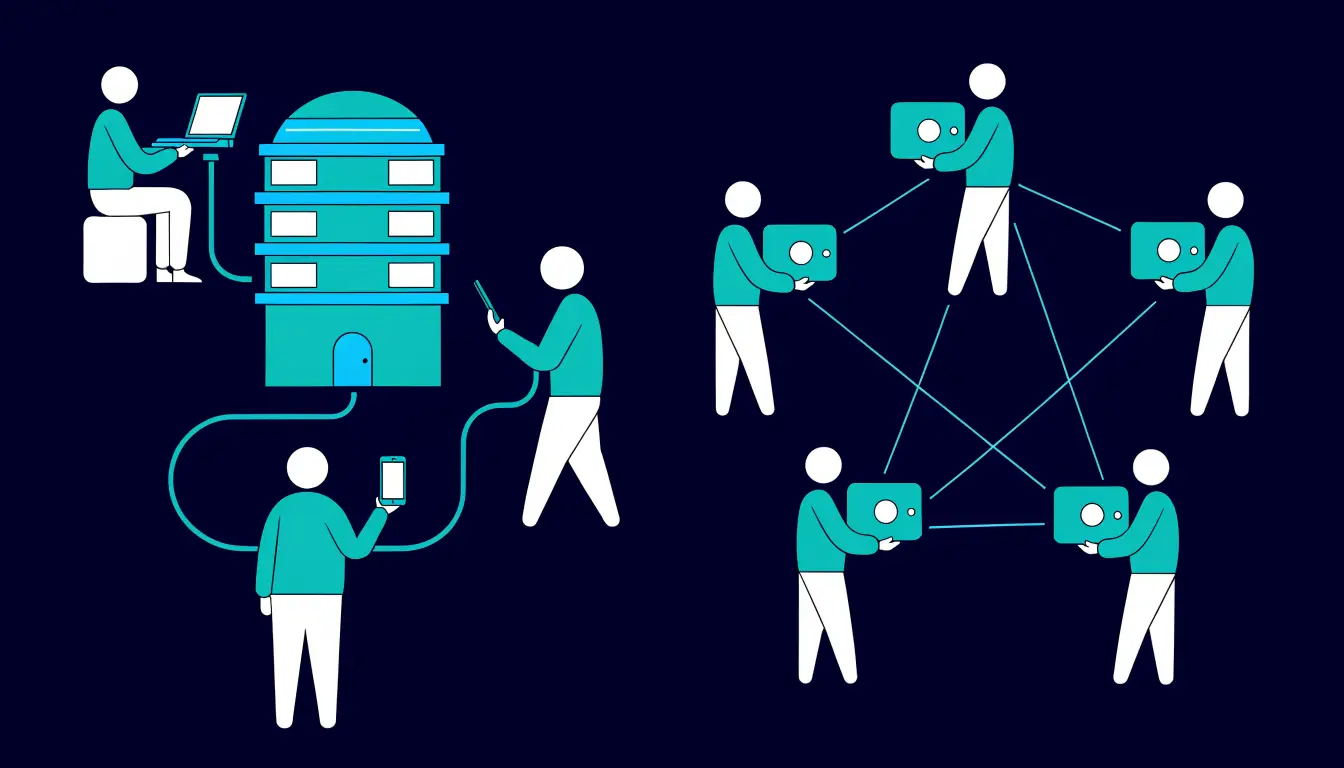
- Peer-to-peer (P2P): you buy directly from another person on a platform that holds the crypto in escrow until both sides are happy.
There is also a choice about where you buy. An exchange is a marketplace where many buyers and sellers trade, and it usually offers the lowest fees. A broker (or a simple "buy" button in an app) sells crypto to you directly at a set price — it is easier for beginners but often costs a little more. Card, bank transfer, and P2P can all be available on an exchange; brokers mostly use card and bank transfer.
The rest of this guide looks at each payment method in turn, then compares them side by side. If you are still choosing a platform, our guide on how to choose a crypto exchange walks through what to look for.
Buying with a debit or credit card
Buying with a card is the fastest and simplest option. You type in your card number, confirm, and the crypto usually lands in your account within moments. If you have ever bought something online, it feels familiar.

The main downside is cost. Card purchases usually carry higher fees than a bank transfer, because the platform and the card networks both take a cut. The exact amount varies by platform and country, so check the fee shown at checkout before you confirm. To understand what you are paying for, see our guide to understanding crypto exchange fees.
A second issue is that your card issuer may block the payment. Some banks treat crypto purchases as risky or restricted and decline them automatically. If that happens, a bank transfer or a different card may work instead.
Warning: avoid buying crypto with a credit card if you can. Some issuers treat it as a cash advance, which can mean extra fees and interest from day one. Borrowing money to buy a volatile asset can leave you owing more than you invested — never invest more than you can afford to lose.
Buying with a bank transfer
A bank transfer means moving money straight from your bank account to the platform, then buying once the funds arrive. It is the option many people choose for larger amounts.
The big advantage is cost. Bank transfers usually carry lower fees than cards — sometimes the deposit itself is free — so more of your money goes into crypto. Transfers also tend to have higher limits, which helps if you are buying a bigger amount at once.
The trade-off is speed. A transfer can take anywhere from a few minutes to a couple of business days to clear, depending on your bank and country. Faster local payment systems are quick; older international transfers are slower. If you are not in a hurry, that wait is a fair price for the lower cost.
Tip: when you send a bank transfer, copy the platform's payment reference exactly. A missing or wrong reference is the most common reason a deposit gets delayed.
Peer-to-peer (P2P) buying
Peer-to-peer, or P2P, means buying crypto directly from another person rather than from the platform itself. The platform acts as a middleman: it holds the seller's crypto in escrow (a secure holding area) and only releases it to you once you have paid and both sides confirm the deal.
The appeal of P2P is choice. It often supports more payment options than a standard card or bank checkout — local bank apps, mobile money, and other regional methods — which makes it popular where card buying is limited. Prices are set by individual sellers, so you can shop around. For a full explainer, see what is P2P crypto trading.
The catch is that you are dealing with a stranger, so P2P carries more scam risk if you are careless. Most problems come from stepping outside the platform's rules.
Warning: only ever trade inside the platform and its escrow. Never release crypto before payment truly clears, never move the chat to a private app, and be wary of anyone rushing you or offering a deal that looks too good. Learn the red flags in our guide to common crypto scams.
Which method should you choose?
The right choice depends on how fast you need the crypto, how much you are spending, and how comfortable you feel. Here is a fair, side-by-side comparison.

| Card | Bank transfer | P2P | |
|---|---|---|---|
| Speed | Instant | Minutes to a couple of days | Usually quick, once payment is confirmed |
| Fees | Usually highest | Usually lower | Varies by seller and method |
| Limits | Often lower | Often higher | Depends on the seller |
| Safety | High, on a reputable platform | High, on a reputable platform | Safe with escrow; riskier if you break the rules |
| Best for | Small, fast first buys | Larger amounts, lower cost | More payment options or regions with fewer choices |
As a simple starting point: use a card for a quick, small first purchase, a bank transfer when cost matters or the amount is larger, and P2P when you need a payment method the other two do not offer. Whichever you pick, buy only from a reputable, well-reviewed platform.
Tips and common mistakes
Helpful tips
- Check the total fee before you confirm. Compare the amount of crypto you actually receive, not just the headline price.
- Start small. Make a small first purchase to learn the flow before you commit a larger amount.
- Use a reputable platform and turn on strong security, such as two-factor authentication, on your account.
- For P2P, stay inside the platform and only release crypto once payment has genuinely cleared.
Common mistakes to avoid
- Buying on a credit card and treating debt as investment money.
- Ignoring fees because the purchase felt quick and easy.
- Rushing a P2P trade or moving the conversation off the platform.
- Sending a bank transfer without the correct reference, which delays your deposit.
Frequently asked questions
What is the cheapest way to buy crypto?
A bank transfer is usually the cheapest, because it avoids card-network fees and often has lower deposit costs. Fees vary by platform and country, so always compare the total before you buy.
Is buying crypto with a card safe?
On a reputable platform, yes — the payment itself is as secure as any online card purchase. The bigger risks are higher fees and, with a credit card, taking on debt to buy a volatile asset.
Is P2P crypto safe?
P2P is safe when you stay inside the platform and use its escrow, which holds the crypto until payment is confirmed. Most losses happen when people trade off-platform, rush, or release funds too early.
Which is faster, card or bank transfer?
A card is faster. Card purchases are usually instant, while a bank transfer can take from a few minutes to a couple of business days to clear, depending on your bank.
Can I buy crypto without a bank account?
Sometimes. P2P platforms often accept mobile money and other local payment methods, which can help if you do not have a traditional bank account. Availability depends on your country and platform.
Summary
There are three common ways to buy crypto. A card is fast and simple but usually costs the most. A bank transfer is cheaper and better for larger amounts, but slower. P2P offers the widest payment options but needs care to stay safe. Match the method to your speed, cost, and comfort — and never invest more than you can afford to lose.
Next step: ready to make your first purchase? Follow our beginner walkthrough on how to buy Bitcoin.