Best Crypto Wallets for Beginners

Key takeaways
- There is no single "best" crypto wallet. The right one depends on how much you hold, what you do with it, and how much control you want.
- Match the wallet to your needs. A simple app or exchange wallet suits small, everyday amounts; a hardware wallet suits larger, long-term savings.
- Put security first. Judge any wallet on how it protects your keys and backup, not on its brand name or looks.
- The main types are exchange wallets, software (hot) wallets, and hardware (cold) wallets. Many beginners end up using more than one.
- Whatever you pick, your seed phrase is the master key — back it up offline and never share it with anyone.
Search for the "best crypto wallet" and you will find hundreds of lists, each crowning a different winner. The honest answer is that there is no single best wallet for everyone. The right choice depends on your situation — how much crypto you hold, what you plan to do with it, and how much responsibility you want to take on yourself.
This guide takes a fair, brand-neutral approach. Instead of ranking products, it explains the main types of wallet, names a few well-known examples of each, and shows you how to judge them on the things that actually matter. By the end, you will be able to pick a wallet that fits you — and set it up safely.
Who this guide is for:
- Complete beginners choosing their first crypto wallet.
- Anyone overwhelmed by "top 10 wallet" lists and unsure how to compare them.
- People who want a safety-first, no-hype way to decide.
New to the idea of a wallet? Start with our plain-English guide to what a crypto wallet is, then come back here to choose one.
There is no single "best" wallet
A wallet is a tool, and the best tool depends on the job. A wallet that is perfect for an active trader who moves crypto every day can be a poor fit for someone who wants to buy once and hold for years. Neither person is wrong — they simply have different needs.
That is why we do not name a single winner or assign star ratings on this page. Ratings can imply a level of certainty that does not exist, and a wallet's features, fees, and reputation can change quickly. Instead of "which wallet is best," the more useful question is "which wallet is best for me, right now?"
Tip: be cautious of any list that declares one wallet the outright "best." Look instead at how a wallet handles security, control, and backup — then match those against what you actually need.
What matters for a beginner wallet
Before comparing products, it helps to know what you are comparing them on. These are the criteria that matter most for a first wallet.

- Security. How does it protect your keys? Look for a strong PIN or password, optional biometric lock, and a clear backup process.
- Ease of use. A wallet you find confusing is a wallet you will use unsafely. For a first wallet, a clean, simple interface matters more than advanced features.
- Custodial vs non-custodial. A custodial wallet means a company holds the keys for you (like an exchange account). A non-custodial wallet means you hold them yourself. Each has trade-offs — see custodial vs non-custodial wallets.
- Hot vs cold. A hot wallet is connected to the internet and convenient; a cold wallet stays offline and is safer for storage. Our guide to hot vs cold wallets explains when to use each.
- Supported coins. Not every wallet supports every coin or network. Check that the wallet handles the specific assets you want to hold before you commit.
- Backup and recovery. Every self-custody wallet gives you a seed phrase — the master backup. Make sure you understand how to save it and restore your wallet from it.
You do not need a wallet that scores highest on every point. You need one that scores well on the points that matter for how you plan to use crypto.
The main wallet types (with examples)
Most beginner-friendly wallets fall into three groups. Here is a fair overview of each — what it is, who it suits, and a few well-known examples, described neutrally rather than ranked.

| Type | What it is | Who it suits | Examples |
|---|---|---|---|
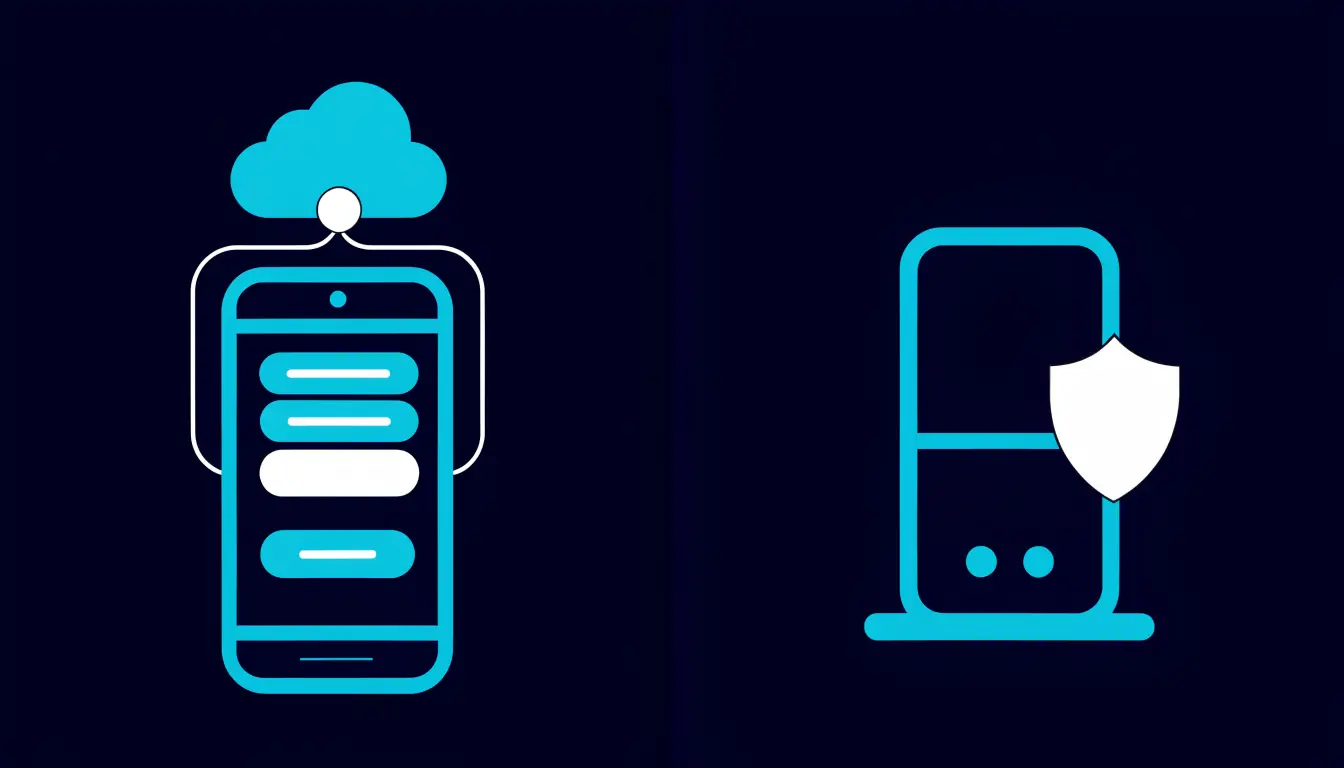
| Exchange wallet | The wallet built into your account on a crypto exchange. Custodial and online (hot). | Absolute beginners buying their first small amount, and active traders. | The wallet inside accounts on major exchanges such as Bitget, Coinbase, Kraken, or Binance. |
| Software wallet | An app or browser extension you control yourself. Non-custodial and online (hot). | People ready to self-custody small-to-moderate amounts and use apps or Web3. | MetaMask, Trust Wallet, Exodus, Phantom. |
| Hardware wallet | A physical device that keeps your keys offline. Non-custodial and cold. | Anyone storing larger amounts or holding for the long term. | Ledger, Trezor. |
An exchange wallet is the simplest place to start — you already have one the moment you buy crypto on an exchange. The trade-off is that the exchange holds your keys, so you are trusting the company to keep them safe.
A software wallet hands you full control. You can hold your own keys, connect to apps, and move freely between services. The responsibility for backups and security shifts to you, which is a step up in both freedom and care required.
A hardware wallet is the strongest option for storage because your keys never touch the internet. It costs money and adds a few steps to every transaction, but that is the price of keeping larger holdings offline. For a closer look, read what a hardware wallet is.
The examples above are simply well-known names in each group, not endorsements. Always research the current version, fees, and reputation of any wallet on its official site before you use it.
How to choose the right one for you
There is no scoreboard here — just a few honest questions. Your answers point to the wallet type that fits.
- How much are you holding? Small, everyday amounts are fine in an exchange or software wallet. Larger amounts are safer in a hardware wallet.
- How often will you move it? If you trade or spend often, you will value the speed of a hot wallet. If you plan to buy and hold, cold storage makes more sense.
- How much control do you want? Comfortable letting a company hold your keys? A custodial exchange wallet is simplest. Want full ownership? Choose a non-custodial software or hardware wallet.
- How confident are you with backups? Self-custody means you alone are responsible for your seed phrase. If that feels like a lot at first, it is fine to start on an exchange and move to self-custody as you learn.
A common, sensible path for beginners is to start with an exchange or simple software wallet and small amounts, learn the basics, then add a hardware wallet once your holdings grow. Many experienced users keep both: a hot wallet for spending and a cold wallet for savings.
Convenience vs security is a trade-off, not a contest. The more convenient a wallet is, the more exposed it usually is. Pick the point on that scale that matches the amount you are protecting.
Set it up safely
Choosing a wallet is only half the job. How you set it up decides how safe your crypto really is. Whatever type you pick, follow these basics:
- Download from the official source only. Get apps from the wallet's official website or your device's official app store, and buy hardware wallets from the maker or an authorized seller — never second-hand.
- Back up your seed phrase offline. Write it on paper (or metal) and store it somewhere private. Never take a photo of it, type it into a note, or save it in the cloud. Learn why in what a seed phrase is.
- Turn on every security layer. Set a strong, unique password or PIN, enable biometric or hardware locks where available, and switch on two-factor authentication on any exchange account.
- Test with a small amount first. Send a tiny amount to your new wallet and confirm it arrives before moving anything larger.
Warning: your seed phrase is the master key to your crypto. Anyone who has it can take everything, and no one can undo it. Never share your seed phrase with anyone — not "support staff," not a website, not a giveaway. A genuine service will never ask for it.
Ready to go step by step? Follow our beginner walkthrough on how to set up a crypto wallet.
Tips and common mistakes
Helpful tips
- Start simple. Your first wallet does not need advanced features. Ease of use keeps you safe while you learn.
- Match the wallet to the amount. Keep only spending money in hot wallets; move savings to cold storage as they grow.
- Use more than one wallet if it helps. A hot wallet for daily use and a cold wallet for savings is a normal, sensible setup.
- Keep your recovery details safe and separate from the device or app they belong to.
Common mistakes to avoid
- Chasing the "best" wallet from a top-10 list instead of matching a wallet to your own needs.
- Storing the seed phrase online — in a photo, note, or cloud drive. This exposes even a hardware wallet.
- Keeping large, long-term holdings on an exchange when a hardware wallet would protect them better.
- Assuming a paid or popular wallet is automatically safer. Security comes from how you use it, not the price or the brand.
Frequently asked questions
What is the best crypto wallet for beginners?
There is no single best wallet — it depends on your needs. For small amounts and first steps, an exchange wallet or a simple software wallet is easy to start with. For larger, long-term holdings, a hardware wallet is safer. Match the wallet type to how much you hold and what you plan to do with it.
Are free wallets safe?
Yes — most reputable software and exchange wallets are free, and price is not a measure of safety. What matters is that you download it from the official source, set strong security, and back up your seed phrase properly. The main cost you may choose to pay is for a hardware wallet.
Do I need a hardware wallet?
Not as an absolute beginner with a small amount. A secure hot wallet is fine to start. A hardware wallet becomes worth the cost and extra steps as your holdings grow or when you plan to hold for the long term.
Should I choose a custodial or non-custodial wallet?
A custodial wallet (like an exchange account) is simpler because the company manages the keys, but you are trusting them with your crypto. A non-custodial wallet gives you full control and full responsibility for backups. Many beginners start custodial and move to non-custodial as they gain confidence.
Can I use more than one wallet?
Yes, and many people do. A common setup is a hot wallet for everyday spending and a cold wallet for long-term savings. Using several wallets is normal — just keep a secure, separate backup of each one's seed phrase.
Summary
There is no single best crypto wallet — only the best wallet for your needs. Judge your options on security, ease of use, who holds the keys, whether they are hot or cold, supported coins, and backup. Beginners often start with an exchange or software wallet for small amounts and add a hardware wallet for larger, long-term holdings. Whatever you choose, protect your seed phrase offline and never share it.
Next step: picked a type? Follow our beginner walkthrough on how to set up a crypto wallet.