How to Choose a Crypto Exchange (2026 Guide)

Key takeaways
- A crypto exchange is a platform where you buy, sell, and swap cryptocurrencies. Choosing one is mostly about matching its strengths to your needs — there is no single "best" exchange for everyone.
- Judge every platform on the same criteria: security, fees, supported coins, ease of use, regulation, liquidity, support, and reputation. Use the checklist in this guide.
- Availability and rules differ by country. Some platforms are restricted where you live — always check what is legal and licensed for you.
- Watch for red flags: promises of guaranteed returns, no identity checks at all, a poor track record, or pressure to deposit fast.
Picking your first crypto exchange can feel overwhelming. There are dozens of platforms, each claiming to be the safest, cheapest, or easiest — and it is hard to tell marketing from fact when you are new.
This guide takes a neutral approach. Instead of naming a single winner, it teaches you how to choose: the criteria that actually matter, how to check a platform is legitimate, the warning signs to avoid, and how to match an exchange to the way you plan to use it. Wherever we name platforms — such as Bitget, Coinbase, Bybit, Kraken, or OKX — they are examples to illustrate a point, not rankings.
Who this guide is for:
- Complete beginners choosing their first exchange.
- Anyone comparing a few platforms and unsure what to look at.
- People who want a repeatable checklist rather than a "best of" list.
Why choosing the right exchange matters
Your exchange is the front door to crypto. It is where you connect your bank card or transfer, convert money into coins, and often where your coins sit until you move them. That means your choice affects three things that matter a lot: how safe your money is, how much you pay, and how easy the whole thing feels.
A well-run exchange with strong security and clear fees can make your first steps smooth. A weak or shady one can cost you through high hidden charges, poor support when something goes wrong, or — in the worst cases — loss of funds if the company fails or turns out to be fraudulent. History has examples of exchanges that collapsed and left customers unable to withdraw, which is exactly why the checks below are worth a few minutes of your time.
Mindset tip: You are not looking for the "perfect" exchange. You are looking for one that is safe enough, affordable enough, and legal where you live — and that fits how you plan to use crypto.
What to check before you sign up
Use the same criteria for every platform so you are comparing like with like. Here is a beginner's checklist — each row is explained in plain English.

| What to check | Why it matters | How to check it |
|---|---|---|
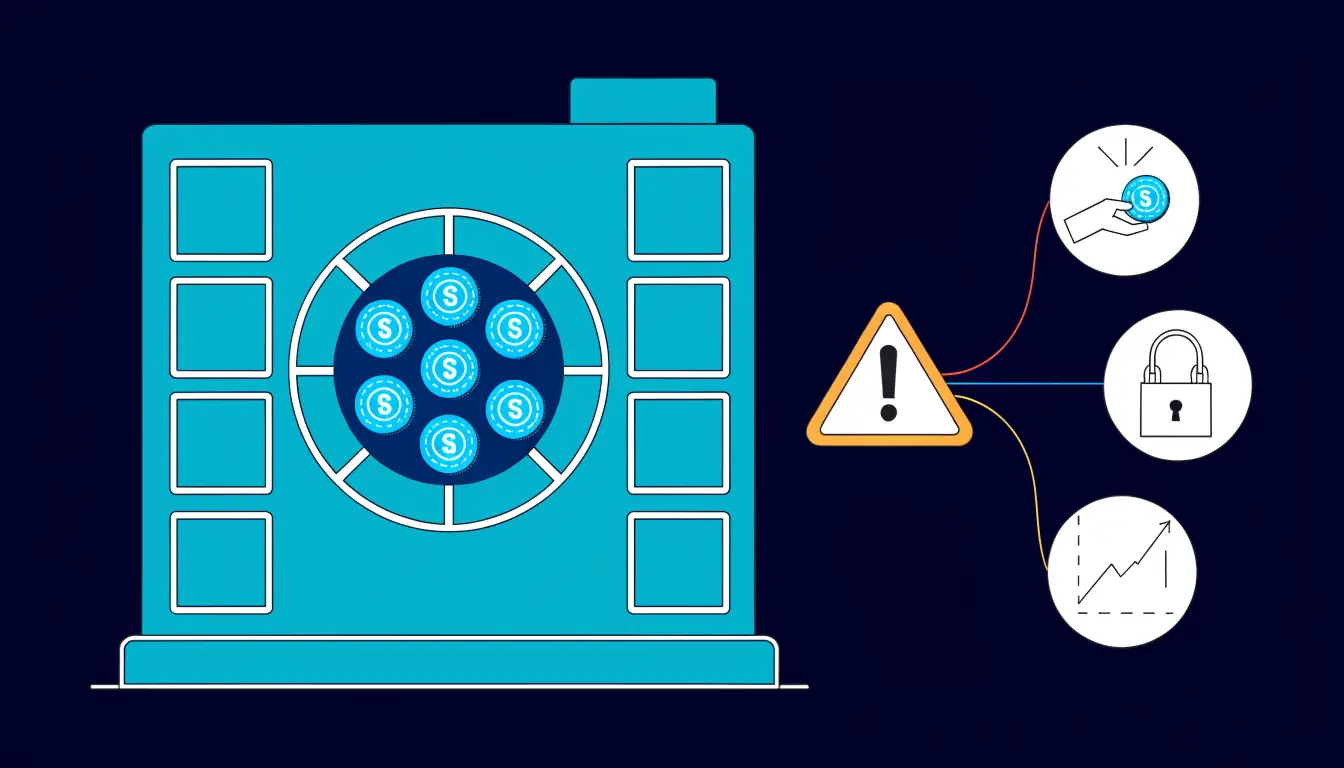
| Security & proof of reserves | Protects your funds from hacks and from the company misusing them. Proof of reserves (PoR) is a report showing an exchange holds enough assets to cover customer balances. | Look for two-factor authentication (2FA), cold storage of funds, and a published PoR. See what proof of reserves is. |
| Fees | Trading fees, deposit/withdrawal fees, and spreads quietly reduce what you get. Small differences add up. | Read the official fee page before depositing. Our guide to understanding crypto exchange fees breaks down the types. |
| Supported coins & payment methods | You need a platform that lists the coins you want and accepts how you want to pay (card, bank transfer, etc.). | Check the coin list and the deposit options for your country before signing up. |
| Ease of use | A clear app and website reduce costly mistakes when you are starting out. | Look at screenshots, demo modes, or a free account. See exchanges that suit beginners. |
| Regulation & availability in your country | Rules differ everywhere. Some platforms are licensed where you live; others are restricted or banned. | Check the exchange's list of supported countries and your local regulator's site. When in doubt, do not sign up. |
| Liquidity | Liquidity means how easily you can buy or sell without moving the price. Higher liquidity usually means fairer prices and faster fills. | Larger, established exchanges generally have deeper markets for popular coins. |
| Customer support | When a deposit is stuck or an account is locked, good support matters more than anything. | Test their help centre and response channels. Search for recent user experiences. |
| Reputation & track record | A long, transparent history is reassuring. A pattern of complaints is a warning. | Read independent reviews and news. See what to look for in a safe exchange. |
Centralized vs decentralized exchanges
There are two broad kinds of exchange, and the difference affects who holds your coins.

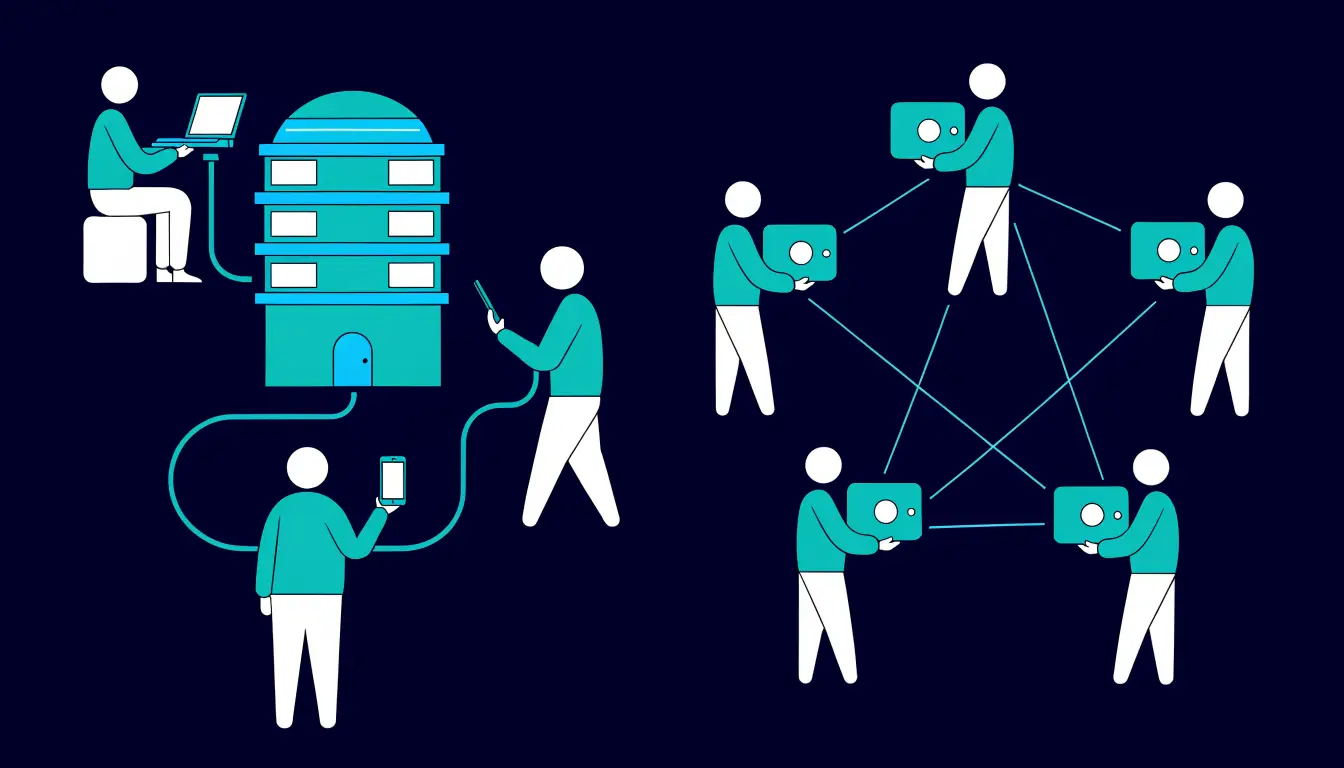
- Centralized exchange (CEX): a company runs the platform, holds funds on your behalf, and usually asks you to verify your identity. Examples include Bitget, Coinbase, Bybit, Kraken, and OKX. CEXs are typically the easiest starting point for beginners.
- Decentralized exchange (DEX): software that lets you swap coins directly from your own wallet, with no company in the middle. There is more control but also more responsibility and a steeper learning curve.
Most beginners start on a CEX and explore DEXs later. For a full side-by-side, read CEX vs DEX explained.
How to verify an exchange is legitimate
Before you deposit a single dollar, run this quick verification checklist:
- Confirm the official URL. Type the address yourself or use a trusted bookmark — never click an ad or a link from a message. Fake "clone" sites are a common way scammers steal logins.
- Look for proof of reserves. A reputable exchange is increasingly expected to publish a PoR report showing it can cover customer balances. Learn more in what proof of reserves is.
- Check independent reviews and news. Search the exchange's name with words like "review", "withdrawal", or "problem" and read recent, balanced accounts — not just the marketing.
- Check its regulatory status. See whether the platform is registered or licensed with a financial authority in a country you trust, and whether it is allowed to operate where you live.
- Test small first. Once you choose, make a small deposit and a small withdrawal before committing more. A clean test builds confidence.
Consumer protection bodies publish plain-language guidance on spotting crypto fraud. The U.S. Federal Trade Commission's page on cryptocurrency and scams is a neutral, free resource worth reading before you sign up anywhere.
Red flags to avoid
If you see any of these, stop and reconsider:
- Promises of guaranteed returns. No legitimate exchange can guarantee profits. Crypto prices go up and down; anyone promising fixed high returns is almost certainly running a scam.
- No identity checks at all. Reputable platforms use KYC ("Know Your Customer" identity verification) to meet the law. A platform advertising "no KYC ever, no limits" can be a warning sign — though verification rules do vary by country and product.
- A poor or hidden track record. No clear company information, no history, or a pattern of unresolved withdrawal complaints.
- Pressure to deposit fast. Countdown timers, "act now" bonuses, or a person urging you to send money quickly are classic manipulation tactics.
- Requests for your wallet's seed phrase or private keys. No real exchange needs these. Anyone who asks is a thief.
Matching an exchange to your needs
The "right" exchange depends on how you plan to use it. Here is a neutral way to think about it — the categories overlap, and many people fit more than one.
| Your profile | What tends to matter most |
|---|---|
| Beginner buyer | A simple, clear interface, strong security, easy payment methods, and helpful support. Fancy trading tools are less important. See exchanges for beginners. |
| Active trader | Low fees, deep liquidity, more coins, and advanced order types. A busier "pro" interface is fine if it is powerful. |
| Copy-trading / hands-off | Some platforms offer "copy trading", where you mirror another trader's moves. If that appeals, check the feature exists, understand the fees and risks, and remember past results never guarantee future ones. |
Whatever your profile, the criteria in the checklist above still apply. Match the platform's strengths to your priorities rather than chasing the biggest name.
Tip: Try before you commit. Most exchanges let you create an account and explore the interface for free before depositing. A few minutes clicking around tells you more about ease of use than any review. When you are ready to buy, our step-by-step how to buy cryptocurrency guide walks you through it.
Common mistakes beginners make when choosing: picking a platform purely because it is advertised heavily; ignoring the fee page until after depositing; skipping the check on whether it is legal in their country; and keeping all their coins on the exchange long-term instead of moving savings to a wallet they control.
Warning: Availability and regulation of crypto exchanges differ from country to country. Some platforms are restricted, unlicensed, or banned in certain places, and some features (like certain coins or leverage) may not be offered where you live. It is your responsibility to check your local rules and use only platforms permitted in your jurisdiction. This guide is educational and not a recommendation to use any specific exchange.
Frequently asked questions
What is the best crypto exchange for beginners?
There is no single best exchange for everyone. The right one depends on your country, the coins you want, the fees you will pay, and how easy the app feels to you. Beginners usually value a simple interface, strong security, and good support. Compare a few platforms using the checklist in this guide rather than relying on one "top" list.
Are crypto exchanges safe?
Established exchanges use security measures like two-factor authentication and cold storage, and many publish proof of reserves. But no platform is risk-free — exchanges have failed or been hacked before. Enable every security feature, use only reputable and regulated platforms, and avoid keeping large long-term savings on any exchange.
Do I need to verify my identity (KYC) to use an exchange?
Most regulated exchanges require KYC — identity verification — to comply with the law. Requirements vary by country and by product. A platform that promises there will never be any identity checks at all can be a warning sign, so treat "no KYC ever" claims with caution.
How many exchanges should I use?
Many people start with one exchange that fits their needs and add a second later if they want different coins or features. There is no need to spread across many. Whatever you use, do not treat an exchange as long-term storage — move savings you are not trading into a wallet you control.
Are all exchanges available in every country?
No. Availability and regulation vary widely, and some platforms are restricted or banned in certain countries. Always check the exchange's list of supported countries and your local rules before signing up.
Summary
Choosing a crypto exchange is not about finding one perfect winner — it is about judging each platform on the same criteria and matching its strengths to your needs. Check security and proof of reserves, fees, supported coins and payment methods, ease of use, regulation and availability in your country, liquidity, support, and reputation. Verify the official URL, watch for red flags, and always confirm a platform is legal where you live.
Next step: once you have shortlisted a platform, learn exactly what makes one trustworthy in what to look for in a safe exchange, then follow our how to buy cryptocurrency walkthrough.