Best Crypto Exchanges for Beginners

Key takeaways
- There is no single "best" crypto exchange for everyone. The right one depends on your country, your needs, and your experience.
- For beginners, the factors that matter most are ease of use, security, fees, supported coins and payment methods, customer support, and reputation.
- Well-known exchanges such as Bitget, Coinbase, Kraken, Binance, and OKX each suit different kinds of users — compare them against your own needs, not a popularity ranking.
- Exchanges are not available in every country and are restricted in some. Always check availability where you live before you sign up.
- Whichever you pick, turn on strong security and test with a small amount first before you commit larger sums.
"What is the best crypto exchange for beginners?" is one of the most common questions new users ask. The honest answer is that there isn't one — at least not a single winner that suits everyone. The "best" exchange for you depends on where you live, what you want to do, and how comfortable you are with technology.
This is a neutral, criteria-based guide. It is not a paid ranking, and we are not going to tell you one platform beats all the others. Instead, we will explain the factors that matter for beginners, give a fair overview of several popular exchanges, and show you how to match a platform to your own situation. For a step-by-step method, pair this with our guide on how to choose a crypto exchange.
Who this guide is for:
- Beginners choosing their first crypto exchange and feeling overwhelmed by the options.
- Anyone who has seen "best exchange" lists and wants a fair, criteria-based view instead of a sales pitch.
- People who want to understand what to compare before they hand over money or ID.
There is no single "best" exchange
A crypto exchange is an online platform where you can buy, sell, and store cryptocurrency. Dozens of reputable ones exist, and they compete on different strengths. That is exactly why "which is best" has no one answer.
The right choice comes down to three things:
- Your country. Availability and the rules an exchange must follow change from place to place. A platform that is perfect for a user in one country may be blocked or limited in another.
- Your needs. Someone who just wants to buy a little Bitcoin and hold it has very different priorities from an active trader who wants advanced charts and lots of coins.
- Your experience. A brand-new user usually values a simple, guided app more than a power-user with dozens of features they will never touch.
So instead of chasing a "number one," it is far more useful to know what to compare — then judge each platform against your own answers.
What matters most for beginners
These are the criteria that separate a good beginner exchange from a frustrating one. Weigh them against your own situation.

- Ease of use. A clean app, a simple buy button, and a smooth sign-up process matter enormously when you are new. If the interface confuses you, mistakes get expensive.
- Security. Look for two-factor authentication, a solid track record, and clear information about how the exchange protects funds. See what to look for in a safe exchange for the full checklist.
- Fees. Trading fees, deposit and withdrawal costs, and the spread all eat into your money. Fees vary and change often, so check each platform's current fee page rather than trusting a number in an old article — our guide to understanding crypto exchange fees explains what to look for.
- Supported coins and payment methods. Make sure the exchange lists the coins you want and accepts a payment method you can actually use, such as bank transfer or card in your local currency.
- Customer support. Responsive help matters most when something goes wrong. Look for live chat, a searchable help center, and reasonable response times.
- Availability. An exchange is only useful if it operates legally where you live and supports your currency and ID documents.
- Reputation. How long has it operated? Has it had major security incidents? A longer, cleaner track record is reassuring — learn to check with how to verify an exchange is legit.
Popular exchanges to consider (a fair overview)
Affiliate disclosure: Bitrich777 may earn a commission if you sign up to a service through our links, at no extra cost to you. We link to several providers so you can choose what fits; this never affects what we describe below.
Below is a neutral snapshot of several well-known exchanges and the kind of user each may suit. This is not a ranking, and none of these descriptions is a promise that a platform is right for you. Availability varies by country, and features change — always confirm the current details on each exchange's official site.

| Exchange | Often described as suiting… |
|---|---|
| Bitget | Users who want a feature-rich app with copy trading and a wide range of coins; note it is restricted in some regions. |
| Coinbase | Complete beginners who value a very simple interface and a long-standing, publicly listed company. |
| Kraken | Users who prioritise a strong security reputation and a straightforward path from simple buying to more advanced trading. |
| Binance | Users who want a very large selection of coins and low headline fees; availability and product access differ widely by country. |
| OKX | Users comfortable with a broad, more advanced feature set including a built-in wallet and Web3 tools. |
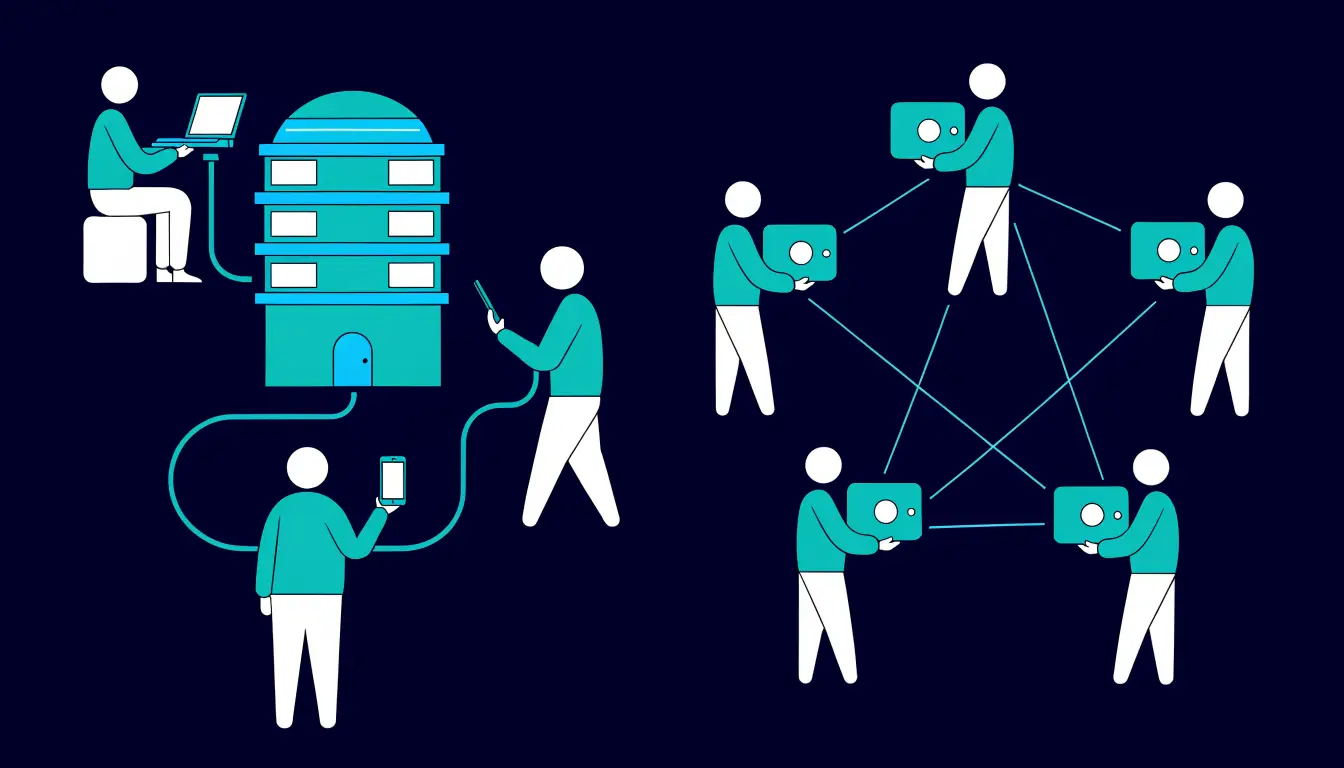
The point of this table is not to crown a winner. It is to show that each platform leans toward a different type of user. Decide which description sounds most like you, then run that shortlist through the criteria above. If you are weighing centralized platforms against decentralized ones, our guide to CEX vs DEX explains the trade-offs.
Availability and restrictions matter
Here is a step many beginners skip: checking whether an exchange even operates where they live. Crypto rules differ from country to country, and platforms respond by limiting or blocking certain features — or by leaving a market entirely.
Depending on the platform, users in places such as France, Australia, Germany, or parts of the wider EU may find an exchange unavailable, offering fewer products, or subject to extra requirements. A platform that looks ideal in a review may simply not accept sign-ups from your region.
Check before you sign up: exchanges are not available in every country and are restricted in some. Confirm whether a platform is available and permitted where you live before you create an account or deposit any money.
How to pick the right one for you
Turn the criteria into a short, personal process. Work through it in order:
- Confirm availability first. Rule out any exchange that does not operate legally in your country. There is no point comparing features you cannot access.
- List your must-haves. Which coins do you want, and which payment method do you need? Drop any platform that fails on these basics.
- Weigh the criteria that matter to you. If you value simplicity, lean toward the easiest app. If low fees matter most, compare current fee pages. Use how to verify an exchange is legit to sanity-check reputation.
- Test with a small amount. Once you have a candidate, deposit a small sum, buy a little crypto, and try a withdrawal. This proves the whole flow works for you before you commit more.
There is nothing wrong with using more than one exchange over time, or switching if your first choice stops fitting your needs. The goal is a platform that matches your situation, not the one an ad shouts loudest about.
Tips and common mistakes
Helpful tips
- Turn on security immediately. Enable two-factor authentication before you deposit anything.
- Read the current fee page. Fees change, so confirm them on the official site rather than trusting a screenshot in an old review.
- Start small. A tiny test deposit and withdrawal tells you more than any review can.
- Keep records. Note your deposits, buys, and sells from day one — it makes tax time far easier later.
Common mistakes to avoid
- Chasing a "number one" list. The "best" exchange in a headline may be unavailable or unsuitable for you.
- Ignoring availability. Signing up before checking your country can waste time or leave funds stuck.
- Focusing only on fees. The cheapest platform is a poor deal if it is hard to use or has weak support.
- Keeping everything on the exchange forever. For larger amounts, learn about moving crypto to your own wallet for safer long-term storage.
Frequently asked questions
What is the best crypto exchange for beginners?
There is no single best exchange for everyone. The right one depends on your country, the coins and payment methods you need, and how simple you want the app to be. Compare a few reputable platforms against those criteria and pick the one that fits your situation.
Is Coinbase or Binance better for beginners?
Neither is universally "better." Coinbase is often described as very simple and beginner-friendly, while Binance is known for a large coin selection and low headline fees. Which suits you depends on your country, availability, and whether you prefer simplicity or choice.
Are all exchanges available in my country?
No. Exchanges are not available everywhere, and some are restricted in certain countries such as France, Australia, or Germany. Always check whether a platform is available and permitted where you live before you sign up.
What should a beginner look for in an exchange?
Focus on ease of use, security, fees, supported coins and payment methods, customer support, availability in your country, and overall reputation. Weigh these against your own needs rather than following a popularity ranking.
Is it safe to keep crypto on an exchange?
Keeping crypto on a reputable exchange is convenient and generally fine for smaller amounts, especially with strong security turned on. For larger, long-term holdings, many people move crypto to their own wallet so they control the keys.
Summary
There is no single "best" crypto exchange for beginners — the right choice depends on your country, your needs, and your experience. Compare platforms on ease of use, security, fees, supported coins and payment methods, support, availability, and reputation. Popular exchanges such as Bitget, Coinbase, Kraken, Binance, and OKX each suit different users, so match the platform to your own situation, check availability first, and test with a small amount.
Next step: ready to make your choice? Follow our step-by-step guide on how to choose a crypto exchange.