What Is KYC and Why Do Exchanges Require It?

Key takeaways
- KYC stands for "Know Your Customer." It is the identity check an exchange uses to confirm who you are before you can trade or withdraw.
- Exchanges require KYC to follow anti-money-laundering (AML) laws, prevent fraud, and keep accounts safer.
- KYC usually asks for your personal details, a photo of a government ID, and sometimes a selfie or short video to prove you are real.
- Only ever submit your documents on the exchange's official app or website. Fake "KYC" messages are a common phishing trick.
- Non-KYC platforms exist, but they come with their own limits and risks — they are not a free pass around the rules.
If you have ever signed up to a crypto exchange, you were probably asked to "verify your identity" before you could trade or withdraw. That step is called KYC, short for "Know Your Customer." It can feel like a hassle, but there are clear reasons behind it — and knowing them helps you complete it safely.
This guide explains what KYC is, why exchanges ask for it, what documents you usually need, and how to protect your data while you do it. It is written in plain English and is not tied to any single exchange.
Who this guide is for:
- Beginners about to sign up to their first exchange.
- Anyone wondering why they have to hand over an ID to buy crypto.
- People who want to verify safely and avoid fake "verification" scams.
Still deciding where to sign up? See our guide to how to choose a crypto exchange first, then come back here.
What is KYC?
KYC (Know Your Customer) is the process a financial company uses to confirm that a customer is who they say they are. On a crypto exchange, it means proving your identity — usually with your name, date of birth, and a photo of an official ID — before your account is fully open.
KYC is not unique to crypto. Banks, payment apps, and stockbrokers all do the same thing. It is closely tied to anti-money-laundering (AML) rules, which are laws designed to stop criminals from hiding or moving illegal money. KYC is how a company checks who its customers are; AML is the wider set of rules that KYC helps enforce.
In short: KYC is the "show me your ID" step. It links your real identity to your account so the platform knows it is dealing with a genuine person, not a fake or stolen name.
Why do exchanges require KYC?
Exchanges do not ask for your ID just to be difficult. There are three main reasons, and they overlap.
- Legal and regulatory compliance. In most countries, exchanges must register with financial regulators and follow AML laws. Those laws require them to verify customers. An exchange that skips KYC risks heavy fines or being shut down.
- Fraud and crime prevention. Verifying identities makes it much harder for criminals to launder money, fund crime, or open accounts under stolen names. It also helps trace bad actors if something goes wrong.
- Protecting users. KYC makes it harder for someone to open an account in your name or take over your account, because the platform can tie activity back to a verified person.
So KYC is partly a legal duty for the exchange and partly a safety layer for you. It is one of the things to check when you weigh up what to look for in a safe exchange — a properly regulated platform will always run some form of identity check.
What KYC usually involves
Every exchange is a little different, but most follow the same basic steps. Many platforms also use "tiers" — the more you verify, the higher your deposit, trade, and withdrawal limits.

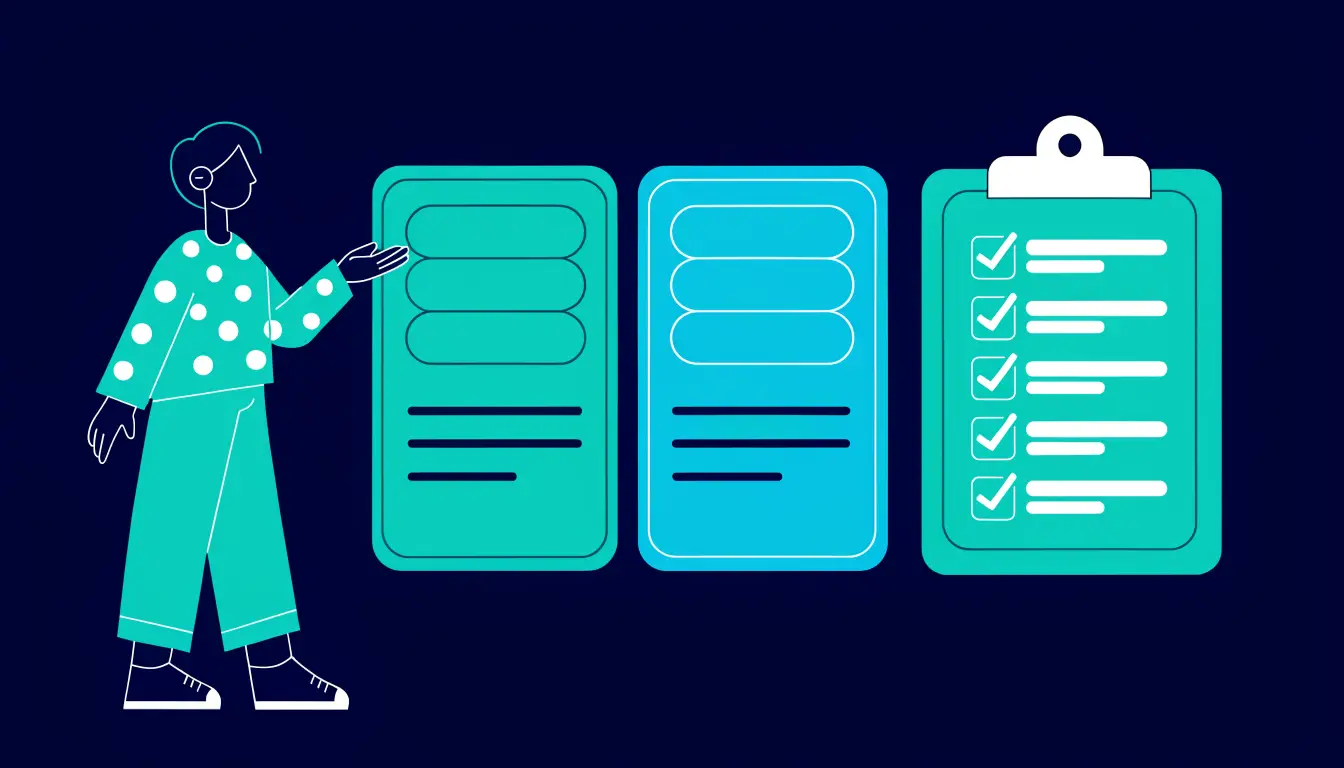
A standard KYC check usually asks for:
- Personal details. Your full legal name, date of birth, nationality, and home address.
- A government-issued ID. A photo or scan of a passport, national ID card, or driving licence.
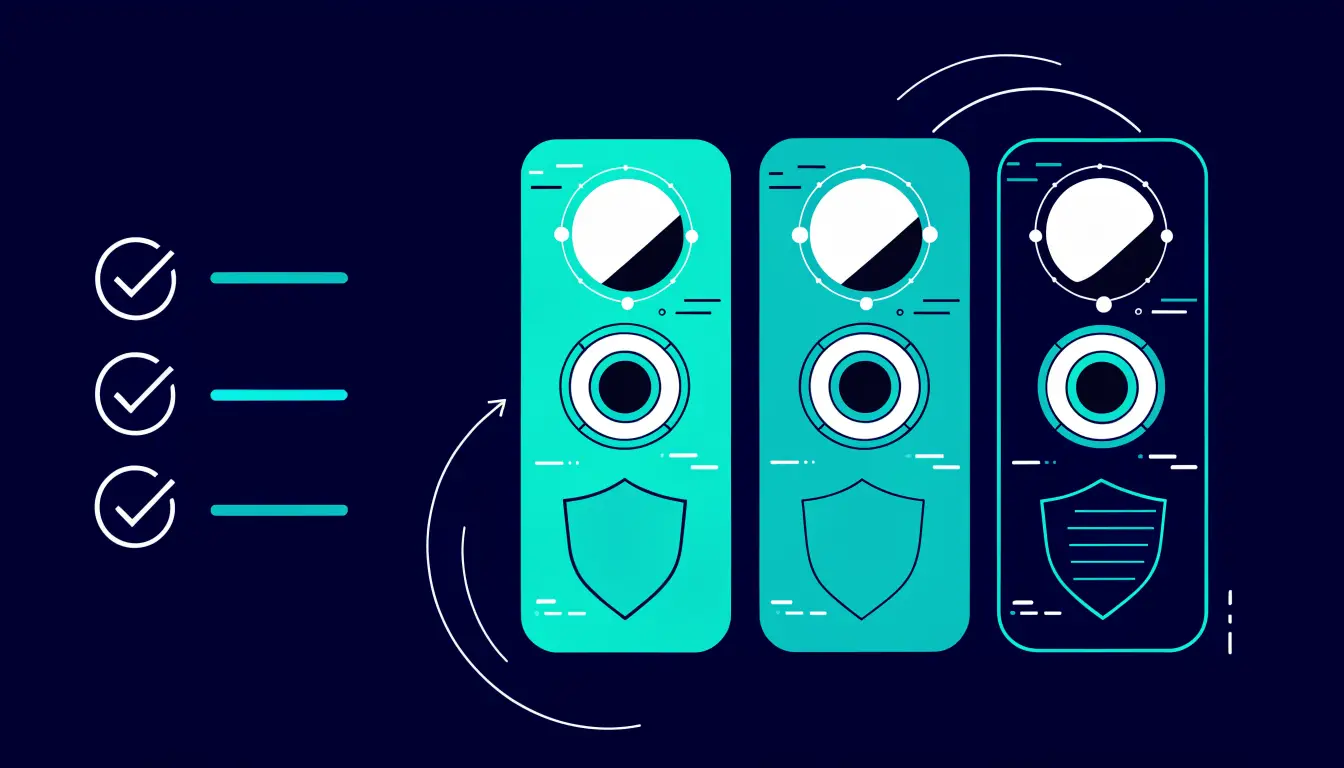
- A selfie or liveness check. Some platforms ask you to take a photo of your face, or record a short video, to prove you are a real person and match the ID. This is often called a "liveness" check.
- Proof of address (higher tiers). For larger limits, you may need a recent utility bill or bank statement showing your name and address.
Basic verification is often approved in minutes, though it can take longer at busy times or if a document is unclear. Once verified, you can usually deposit, trade, and start to buy cryptocurrency within the platform's limits.
Is KYC safe? Protecting your data
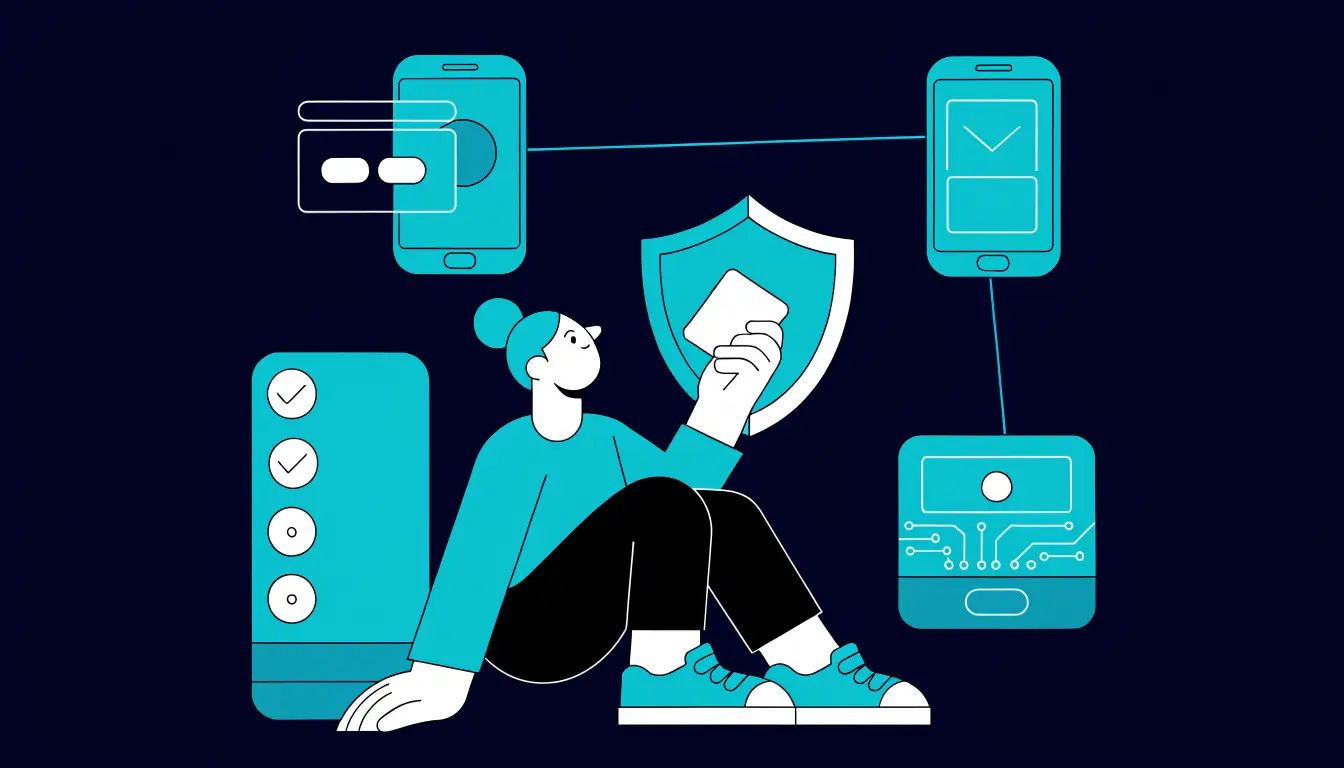
Handing over your ID and a selfie can feel risky, and it is fair to be careful. A reputable, regulated exchange stores this data under strict security and privacy rules. The bigger danger is usually not the real exchange — it is fakes that pretend to be one.

To keep your KYC data safe, follow a few simple rules:
- Only submit documents inside the official app or website. Type the address yourself or use the official app store listing — do not follow links from emails or messages.
- Never send your ID over email, chat, or social media. A real exchange collects KYC through its secure upload page, not by asking you to email a photo.
- Turn on strong security such as a unique password and two-factor authentication, so a leaked password alone cannot open your account.
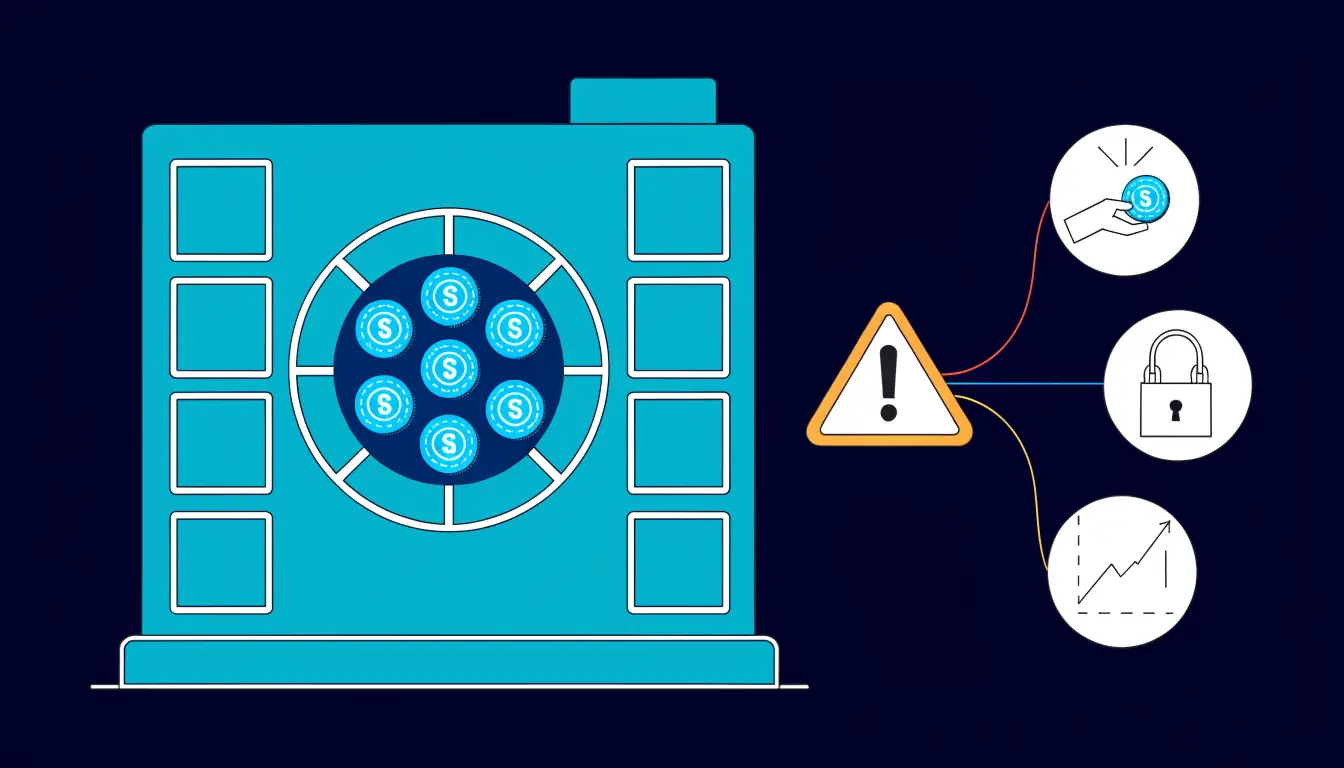
Warning: Scammers send fake "your account needs re-verification" messages to trick you into uploading your ID and documents to a copycat site. Learn the signs in our guides to how to spot crypto phishing and fake crypto apps and websites. When in doubt, close the message and log in through the official app on your own.
KYC vs non-KYC platforms
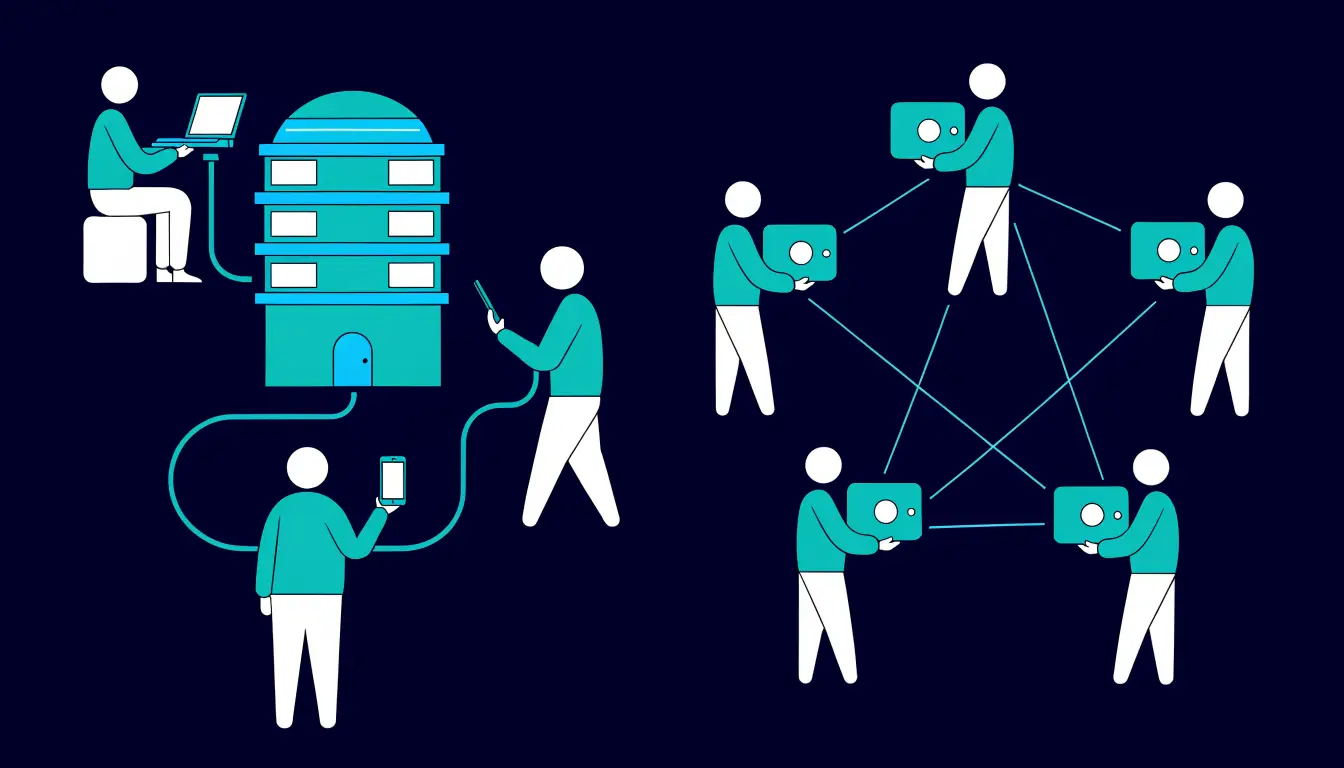
You may hear about "non-KYC" or decentralized platforms that let you trade without verifying your identity. These do exist, but it is worth being honest about the trade-offs. Non-KYC access is not automatically better or safer — it simply shifts the risks.
| KYC exchange | Non-KYC / decentralized | |
|---|---|---|
| Identity check | Required | Little or none |
| Regulation | Usually licensed and supervised | Often unregulated |
| Support if things go wrong | Customer support, some protections | Often none — you are on your own |
| Ease for beginners | Higher — simple sign-up and payment methods | Lower — more technical to use |
| Main trade-off | You share personal data | Fewer limits, but less safety and recourse |
For most beginners, a regulated exchange that uses KYC is the more practical and safer starting point. It offers support, clearer rules, and easier ways to add money. Non-KYC tools can have a place for advanced users, but they demand far more technical knowledge and self-reliance.
Tips and common mistakes
Helpful tips
- Use your real, legal details. They must match your ID exactly, or verification will fail — and later withdrawals may be blocked.
- Take clear, well-lit photos. Blurry or cropped images are the most common reason KYC gets rejected.
- Verify before you need to. Completing KYC early means you are ready to trade or withdraw without a delay.
- Keep your details up to date. If you move house or renew your ID, update your account so it stays verified.
Common mistakes to avoid
- Uploading documents to a link from an email or message. Always start from the official app or website yourself.
- Using someone else's ID or fake details. This breaks the rules and can freeze your funds for good.
- Assuming non-KYC means no rules. It often means no support and more risk if something goes wrong.
- Ignoring account security after verifying. KYC proves who you are; it does not stop a weak password being guessed.
Frequently asked questions
What does KYC mean in crypto?
KYC means "Know Your Customer." It is the process an exchange uses to confirm your identity — usually with your personal details and a government ID — before you can fully use your account.
Why do I have to verify my identity?
Because exchanges must follow anti-money-laundering laws in most countries. Verifying your identity helps prevent fraud and crime, keeps the platform legal, and adds a layer of protection to your account.
Is it safe to give an exchange my ID?
With a reputable, regulated exchange, your data is stored under strict security rules. The main risk is fakes — always submit documents inside the official app or website, and never email a photo of your ID.
Can I use crypto without KYC?
Some non-KYC and decentralized platforms exist, but they carry their own limits and risks, and are often harder for beginners. Most mainstream, regulated exchanges require KYC.
How long does KYC take?
Basic verification is often approved within minutes. It can take longer during busy periods, if extra documents are needed, or if a photo is unclear and has to be re-submitted.
Summary
KYC is simply the identity check exchanges use to confirm who you are. It exists because of anti-money-laundering laws, and it helps prevent fraud while protecting your account. Expect to share your details, a government ID, and often a selfie — and always do it inside the official app or website, never through a link someone sends you.
Next step: not sure which platform to trust with your details? Read our guide to how to choose a crypto exchange.