What to Look For in a Safe Crypto Exchange

Key takeaways
- A crypto exchange is a company where you buy, sell, and store crypto. Not all of them are equally safe.
- Look for strong security (two-factor login, cold storage of funds, encryption) plus regulation and clear company information.
- Check the exchange's track record — how long it has run, its reviews, and how it handled any past problems.
- Confirm the exchange is available and permitted where you live before you sign up.
- No exchange is 100% risk-free. These checks reduce your risk; they do not remove it. Keep only what you need on any exchange.
A crypto exchange is a company that lets you buy, sell, and hold cryptocurrency. For most beginners it is the first place their money goes — so picking a safe one matters a lot. The problem is that every exchange calls itself "safe," and the real differences are hidden in details most newcomers never think to check.
This guide walks through those details in plain English: the security features, the signs of regulation and transparency, and the reputation checks that separate a trustworthy exchange from a risky one. It is written to help you compare options fairly, whichever exchange you end up using.
Who this guide is for:
- Beginners about to open their first exchange account.
- Anyone comparing two or three exchanges and unsure how to judge them.
- People who want a simple, safety-first checklist instead of marketing claims.
Still deciding between platforms in general? Pair this with our guide to how to choose a crypto exchange, which covers fees, features, and ease of use alongside safety.
There is no 100% safe exchange
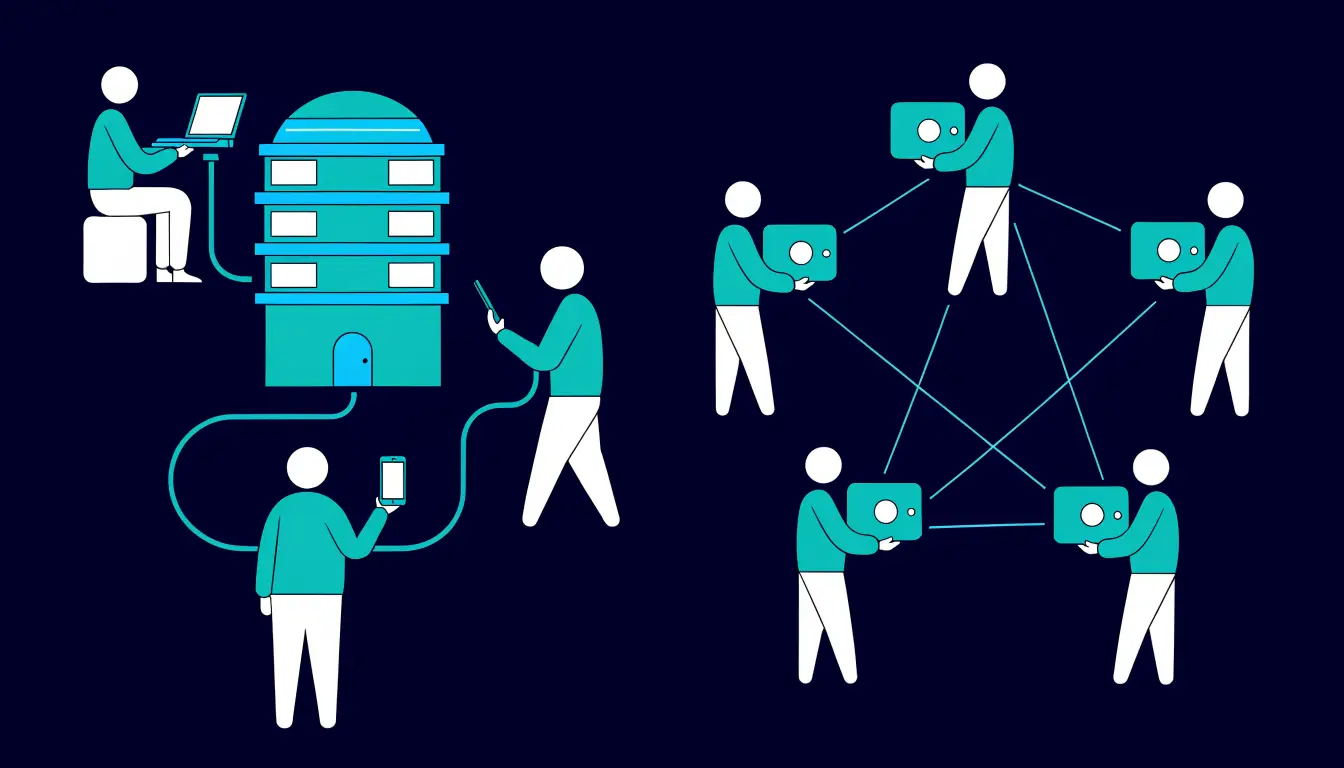
Start with an honest fact: no crypto exchange is completely safe. Even large, well-run platforms have been hacked, gone through outages, or faced legal trouble. When you hold crypto on an exchange, the company controls the keys to your coins — so you are trusting its security and its honesty.
The goal of this guide is not to find a "perfectly safe" exchange, because none exists. The goal is to help you reduce your risk by choosing a platform that takes safety seriously, and by not keeping more on it than you need. Think of these checks the way you would judge a bank branch: good locks and a solid reputation lower the odds of trouble, but nothing is guaranteed.
Set your expectations: a "safe exchange" means lower risk, not no risk. The rest of this guide is about tilting the odds in your favour.
Security features to look for
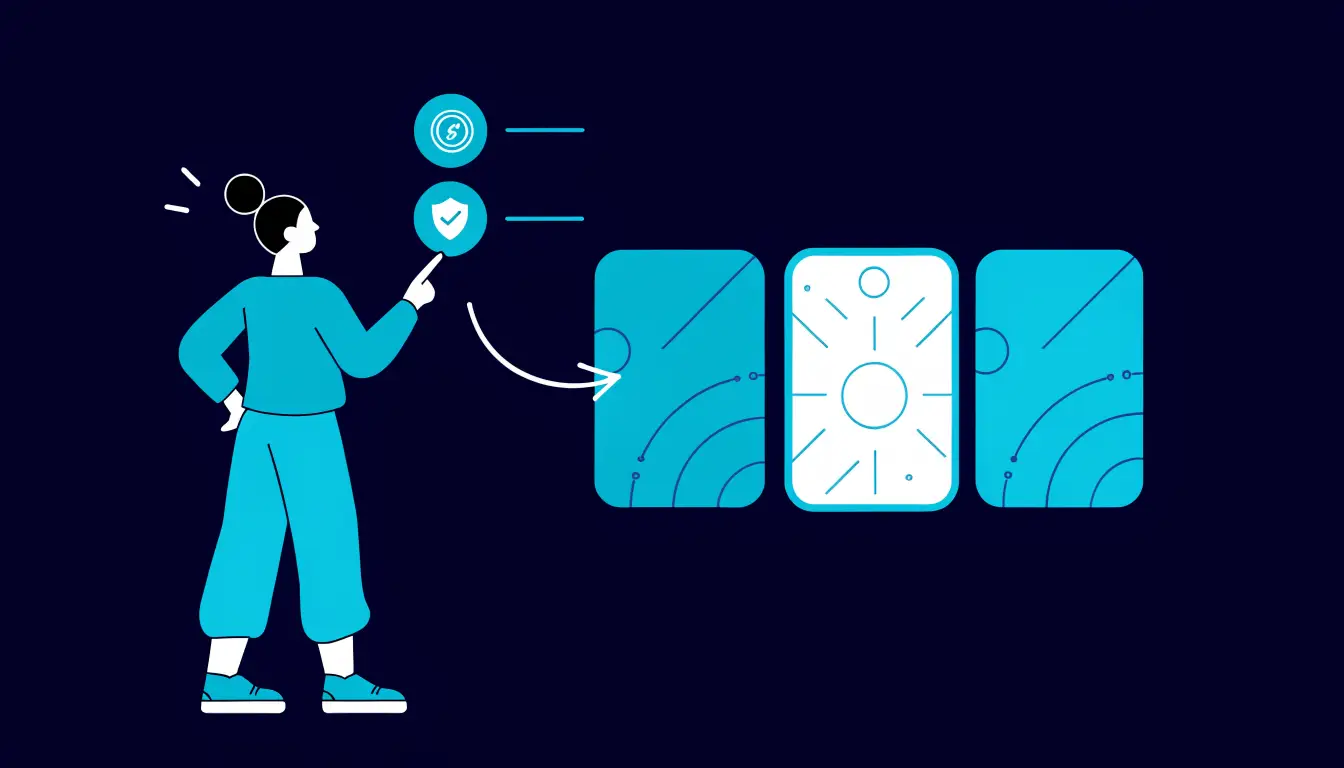
Security is the first thing to check, because it protects both your account and the exchange's own funds. You do not need to be technical to judge it — most safe exchanges explain these features openly on their websites. Look for the following.

- Two-factor authentication (2FA). This adds a second step to logging in, so a stolen password alone is not enough. A safe exchange supports app-based 2FA, not just text messages. Learn how it works in our guide to how to set up 2FA.
- Cold storage of funds. Good exchanges keep most customer crypto in cold storage — wallets kept offline, out of reach of online attackers. Only a small amount is held in "hot" online wallets for daily withdrawals. If you are new to the idea, see hot vs cold wallets.
- Encryption. The site should use secure connections (look for the padlock in your browser) and encrypt sensitive data. This is basic, but its absence is a red flag.
- Withdrawal protections. Features like withdrawal address whitelists, email confirmations, and a short lock after you change security settings all make it harder for a thief to drain your account.
- Bug bounties and security audits. Exchanges that pay outside researchers to find flaws, or that publish independent security audits, show they take safety seriously rather than just claiming it.
Many major exchanges — such as Bitget, Binance, Coinbase, and Kraken — publish their security practices publicly. Read what an exchange says about these points before you deposit, and treat vague or missing answers as a warning sign.
Regulation and transparency
Security keeps attackers out; regulation and transparency tell you whether the company itself can be trusted. A safe exchange is open about who runs it and how it operates. Look for these signs.
- Licensing where it applies. Many countries now require exchanges to register or hold a licence. A regulated exchange must follow rules on customer protection and reporting. Rules differ by country, so check what applies where you live rather than assuming a single global standard.
- Clear company information. You should be able to find the company name, where it is based, and how to contact real support. An exchange that hides who runs it is a red flag.
- Published fees. Trading, deposit, and withdrawal fees should be easy to find and clearly explained. Hidden or confusing fees suggest a platform that is not being straight with you.
- Proof of reserves. Some exchanges publish proof of reserves — evidence that they actually hold enough crypto to cover customer balances. It is not a perfect guarantee, but it is a strong transparency signal. Learn how to read it in our guide to what proof of reserves is.
Regulation is not a magic shield — regulated companies can still fail. But an exchange that is licensed, open about its fees, and clear about who runs it is generally a lower-risk choice than one that hides all three. Want to go deeper? See how to verify an exchange is legit.
Reputation and track record
A checklist of features tells you what an exchange claims. Its track record tells you how it behaves when things go wrong. History is one of the most useful safety signals you have.

- How long it has operated. An exchange that has run for several years through ups and downs has been tested more than a brand-new one. Age is not everything, but it counts.
- Independent reviews. Look beyond the exchange's own site. Read reviews from trusted crypto publications and real users, and watch for repeated complaints about the same issue.
- How it handled past incidents. Most large exchanges have faced a hack, outage, or dispute at some point. What matters is the response: did it inform users, fix the problem, and repay losses, or go quiet? Honest handling of a bad day is a good sign.
- Responsive support. When your money is involved, slow or absent support is a real risk. Check whether help is easy to reach and whether users say problems actually get solved.
Be fair here: a single old complaint is not proof an exchange is unsafe today, and no large platform has a spotless record. Look for the overall pattern over months and years, not one loud review.
Availability and restrictions
A safe exchange is only useful if you can actually use it where you live. Many exchanges are restricted or fully unavailable in certain countries, and the rules change often. An exchange that is popular abroad may not legally serve users in your region.
Before you sign up, check the exchange's own list of supported and restricted countries, and confirm it is permitted where you are. Using a platform through workarounds can break its terms and put your funds and access at risk. If your first choice will not serve you, a good exchange makes this clear up front — and it is better to find out before you deposit than after.
Tip: availability and rules differ by country and can change without much notice. Always check the exchange's official terms and your local regulations before opening an account, not after.
Reduce your own risk too
Choosing a safe exchange is only half the job. Even the best platform cannot protect you from every risk, and some of the biggest dangers come from how you use your account. A few simple habits lower your risk no matter which exchange you pick.
- Don't keep everything on one exchange. Spreading larger holdings, or moving them off the exchange entirely, means one failure cannot wipe you out.
- Turn on 2FA and use a strong, unique password. This is the single easiest way to protect your account.
- Move long-term holdings to your own wallet. For crypto you plan to hold for a long time, a wallet you control removes the exchange as a point of failure.
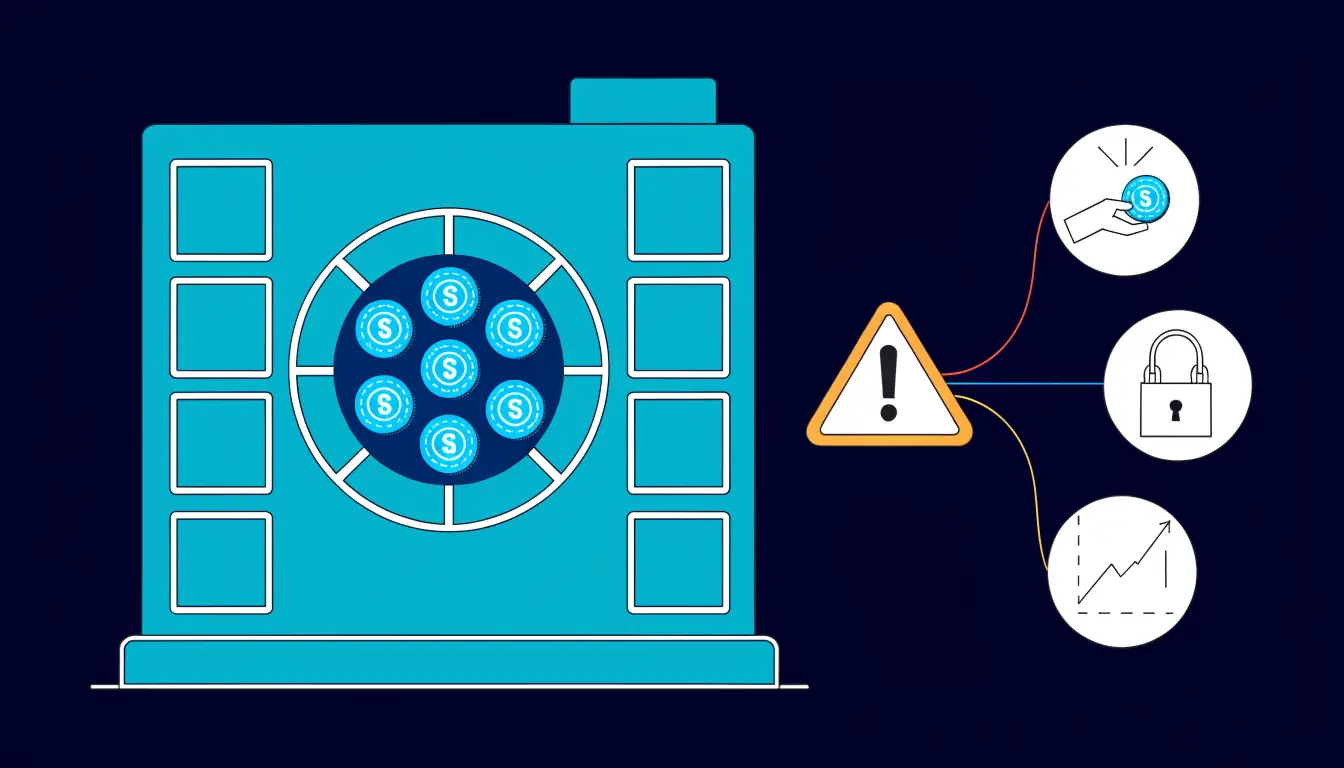
Warning: when your crypto sits on an exchange, the company holds the keys — so if it is hacked, freezes withdrawals, or fails, your funds are exposed. This is called counterparty risk. Understand it fully in our guide to centralized exchange risks before leaving large amounts online.
Frequently asked questions
What makes a crypto exchange safe?
A safer exchange combines strong security (two-factor login, cold storage of funds, encryption), signs of regulation and transparency, and a solid track record. No exchange is 100% safe, so these features lower your risk rather than remove it.
Is my money safe on an exchange?
It is safer on a well-run, transparent exchange than on an unknown one, but it is never fully guaranteed. When you hold crypto on an exchange, the company controls the keys, so its security and honesty affect your funds. Keep only what you need there.
What is cold storage?
Cold storage means keeping crypto in wallets that stay offline, out of reach of online attackers. Safe exchanges hold most customer funds in cold storage and keep only a small amount in online "hot" wallets for daily withdrawals.
Should I keep crypto on an exchange?
It is fine to keep amounts you are actively trading on a reputable exchange. For long-term holdings, many people move their crypto to a wallet they control, so an exchange failure cannot affect it.
Are regulated exchanges safer?
Regulation is a positive sign, because licensed exchanges must follow rules on customer protection and reporting. But it is not a guarantee — regulated companies can still fail. Treat it as one signal among several, not proof of safety.
Summary
A safe crypto exchange is one that takes security seriously (2FA, cold storage, encryption), is open about who runs it and how it operates, and has a track record that holds up over time. Always confirm it is available where you live, and remember that even the best exchange carries risk — so keep only what you need on it and protect your account with strong login security.
Next step: understand exactly what you are trusting an exchange with — read our guide to centralized exchange risks.