How to Buy Cryptocurrency: A Beginner's Guide (2026)

Key takeaways
- Buying crypto follows the same five steps almost everywhere: choose an exchange, verify your identity, add money, place a buy, and secure your coins.
- A crypto exchange is an online marketplace where you swap regular money (like dollars or euros) for cryptocurrency such as Bitcoin.
- You'll need photo ID for verification (called KYC), a payment method (card, bank transfer, or peer-to-peer), and a rough idea of what you want to buy.
- Fees vary a lot between exchanges and payment methods, so always check the total cost before you confirm.
- Start small, turn on two-factor security, and only invest money you can afford to lose.
Buying your first cryptocurrency can feel intimidating, but the process is more straightforward than it looks. Whether you want to buy Bitcoin, Ethereum, or something else, almost every purchase follows the same handful of steps on a regulated online marketplace called a crypto exchange.
This guide walks you through the whole journey in plain English — from picking an exchange to keeping your coins safe afterwards. We keep it exchange-neutral: we name several well-known platforms as examples, but the steps work the same wherever you go.
Who this guide is for:
- Complete beginners making their very first crypto purchase.
- Anyone who wants to understand the steps before handing over any money.
- People comparing payment methods like card, bank transfer, and peer-to-peer.

Before you start: what you need
Before you buy anything, get these three things ready. Having them on hand makes the whole process quick and avoids nasty surprises.
- A government-issued photo ID. Nearly all reputable exchanges are legally required to verify who you are through a process called KYC (Know Your Customer). A passport, driver's licence, or national ID card usually works.
- A payment method. This can be a debit or credit card, a bank transfer, or a peer-to-peer arrangement. We compare these in Step 3.
- An idea of what you want to buy. Bitcoin (BTC) and Ethereum (ETH) are the two largest and most common starting points, but you don't have to decide everything today. If you're focused on Bitcoin specifically, see our how to buy Bitcoin walkthrough.
Tip: Not sure a full exchange is right for you? There are several ways to get crypto — exchanges, brokers, crypto ATMs, and peer-to-peer. Compare them in our overview of the different ways to buy crypto.
Step 1 — Choose a crypto exchange
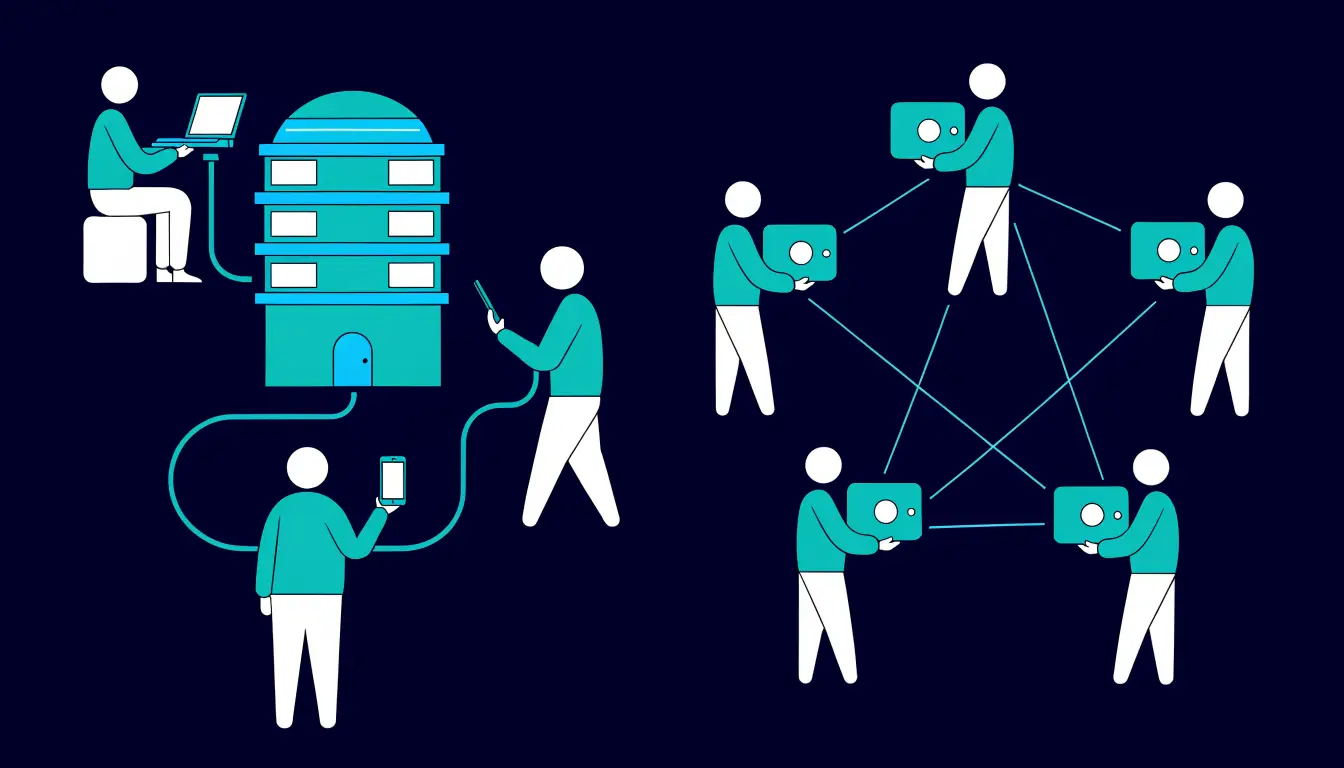
A crypto exchange is an online platform where you swap regular ("fiat") money for cryptocurrency. There are many to choose from — major exchanges such as Coinbase, Bitget, Kraken, or Bybit are commonly used examples, and each has its own fees, supported coins, and features.
There is no single "best" exchange for everyone. When comparing platforms, beginners usually weigh up:
- Availability in your country and the currencies it supports.
- Fees for buying, selling, and withdrawing (these vary widely — see Fees to expect).
- Ease of use — a clean, beginner-friendly app matters a lot at the start.
- Security and reputation — how long it's operated, and whether it offers protections like two-factor authentication.
- Supported coins — make sure it lists the cryptocurrency you want.
Take your time here — this is the platform that will hold your money and your crypto. For a full checklist and side-by-side factors, read our guide on how to choose a crypto exchange.
Step 2 — Create an account and verify (KYC)
Once you've picked a platform, sign up with your email address and a strong, unique password. The next step is verification, or KYC — the identity check that regulated exchanges must run before you can buy.
Verification is usually quick and looks like this:
- Enter your personal details (name, date of birth, address).
- Upload a photo of your government ID.
- Take a quick selfie or short video so the exchange can match your face to the ID.
Approval can take anywhere from a few minutes to a day or two. This step protects you and the platform against fraud and money laundering. If you're wondering why an exchange needs your documents, our explainer on what KYC is and why it matters covers it in detail.
Tip: Turn on two-factor authentication (2FA) right after you verify — ideally with an authenticator app rather than SMS. It's the single easiest thing you can do to protect your account.
Step 3 — Add money (choose a payment method)
With your account verified, you can fund it. Most exchanges let you either deposit money first and then buy, or pay directly at the moment you buy. The main payment methods each have trade-offs in speed, cost, and convenience.
| Payment method | Pros | Cons | Typical speed |
|---|---|---|---|
| Debit / credit card | Fast and simple; good for small first buys | Often the highest fees; some banks block crypto card payments; credit cards may add cash-advance charges | Instant to a few minutes |
| Bank transfer (e.g. ACH, SEPA, Faster Payments) | Usually the cheapest way to add money; good for larger amounts | Slower; setup can take a little longer the first time | Minutes to a few business days |
| Peer-to-peer (P2P) | Flexible local payment options; can be low-cost | You deal with another person; requires care to avoid scams; use the platform's escrow | Minutes to an hour, depending on the seller |
Exact fees and available methods depend on your country and exchange, so check what each option costs before you confirm. Card payments are convenient but often pricier; bank transfers usually cost less but take longer.
Step 4 — Place your first buy
Now for the exciting part. Go to the buy or trade screen, choose the cryptocurrency you want, and enter how much you'd like to spend. You'll usually pick between two order types:
- Market order: buys immediately at the current price. It's the simplest option and best for beginners.
- Limit order: buys only if the price reaches a level you set. It gives more control but may not fill right away.
You don't have to buy a whole coin — cryptocurrencies are divisible, so you can buy a small fraction (for example, $20 worth of Bitcoin). Review the amount, the fee, and the total, then confirm. Your crypto will appear in your exchange account balance.
Start small. For your first purchase, buy a small amount you're comfortable with. It lets you learn the process end to end without much at stake, and you can always buy more later.
Step 5 — Secure your crypto
After buying, your crypto sits in a custodial wallet the exchange controls on your behalf. You now have two choices:

- Leave it on the exchange. This is convenient, especially for small amounts or if you plan to trade. The exchange manages security and account recovery, but you're trusting a company with your keys.
- Move it to your own wallet. For larger amounts or long-term holding, many people transfer funds to a non-custodial wallet they control — so no company failure or account freeze can touch them.
A wallet doesn't literally hold your coins; it holds the private keys that prove they're yours. If you're new to this idea, our guide on what a crypto wallet is explains hot vs cold and custodial vs non-custodial storage in plain English.
Tip: A common beginner approach is to keep a small "spending" amount on a reputable exchange and move savings you don't plan to trade into your own wallet.
Fees to expect
Crypto isn't free to buy, and fees can quietly eat into a small purchase. Costs vary a lot between exchanges, countries, and payment methods, so we won't quote specific numbers here. Instead, learn to spot the common charges:
- Trading fee: a percentage of each buy or sell.
- Payment / deposit fee: often higher for card payments than for bank transfers.
- Spread: a small built-in gap between the buy and sell price — easy to miss because it isn't shown as a separate "fee".
- Withdrawal / network fee: charged when you move crypto off the exchange to your own wallet.
Always look at the total cost on the confirmation screen — that number already includes the fees. For definitions of these and other terms, see our crypto glossary, and check your chosen exchange's own fee schedule before you buy.
Tip: Consider spreading purchases over time instead of buying all at once. Buying a fixed amount on a regular schedule — sometimes called dollar-cost averaging — smooths out the ups and downs of a volatile market and takes the pressure off timing.
Common beginner mistakes to avoid:
- Sending to the wrong network. When you withdraw crypto, the network on both ends must match, or the funds can be lost. Always double-check.
- Buying the hype. Don't rush into a coin because it's trending or a stranger online is "sure" it will soar. Research first, and be skeptical of guaranteed returns.
- Skipping 2FA. An account without two-factor authentication is far easier to hack. Turn it on before you deposit money.
- Ignoring fees. A cheap-looking card purchase can carry high fees. Check the total every time.
Warning: Cryptocurrency prices are volatile and can fall as fast as they rise — only invest money you can afford to lose. Watch out for scams: no legitimate exchange or "support agent" will ask for your password, seed phrase, or remote access to your device, and any offer promising guaranteed profits is a red flag. This article is education, not financial advice.
Frequently asked questions
How much money do I need to start buying crypto?
Usually very little. Because cryptocurrencies are divisible, many exchanges let you start with as little as a few dollars or euros. Starting small is a smart way to learn the process before committing more.
Do I have to verify my identity to buy crypto?
On nearly all regulated exchanges, yes. Identity verification (KYC) is a legal requirement in most countries. You'll typically upload a photo ID and take a selfie. Some peer-to-peer methods have lighter checks, but mainstream platforms require KYC.
What is the cheapest way to buy cryptocurrency?
It varies by exchange and country, but bank transfers are usually cheaper than card payments, which often carry the highest fees. Always compare the total cost on the confirmation screen before you buy.
Should I leave my crypto on the exchange or move it to a wallet?
Both are common. Leaving crypto on a reputable exchange is convenient for small amounts and trading. For larger holdings or long-term storage, many people move funds to a non-custodial wallet they control. Many beginners use both.
Is buying cryptocurrency safe?
Using a reputable, regulated exchange with two-factor authentication makes the buying process relatively safe. The bigger risk is the market itself — crypto is volatile, so only invest money you can afford to lose, and stay alert to scams.
Summary
Buying cryptocurrency comes down to five steps: choose a reputable exchange, create and verify your account (KYC), add money with a payment method that suits you, place a small first buy, and then decide whether to keep your crypto on the exchange or move it to your own wallet. Watch the fees, turn on 2FA, and only invest what you can afford to lose.
Next step: compare platforms before you commit with our guide to how to choose a crypto exchange, or explore the different ways to buy crypto to find the method that fits you best.