How to Verify a Crypto Exchange Is Legit

Key takeaways
- A "legit" exchange is one you can check for yourself — real company details, security features, and a public track record — not one that simply looks polished.
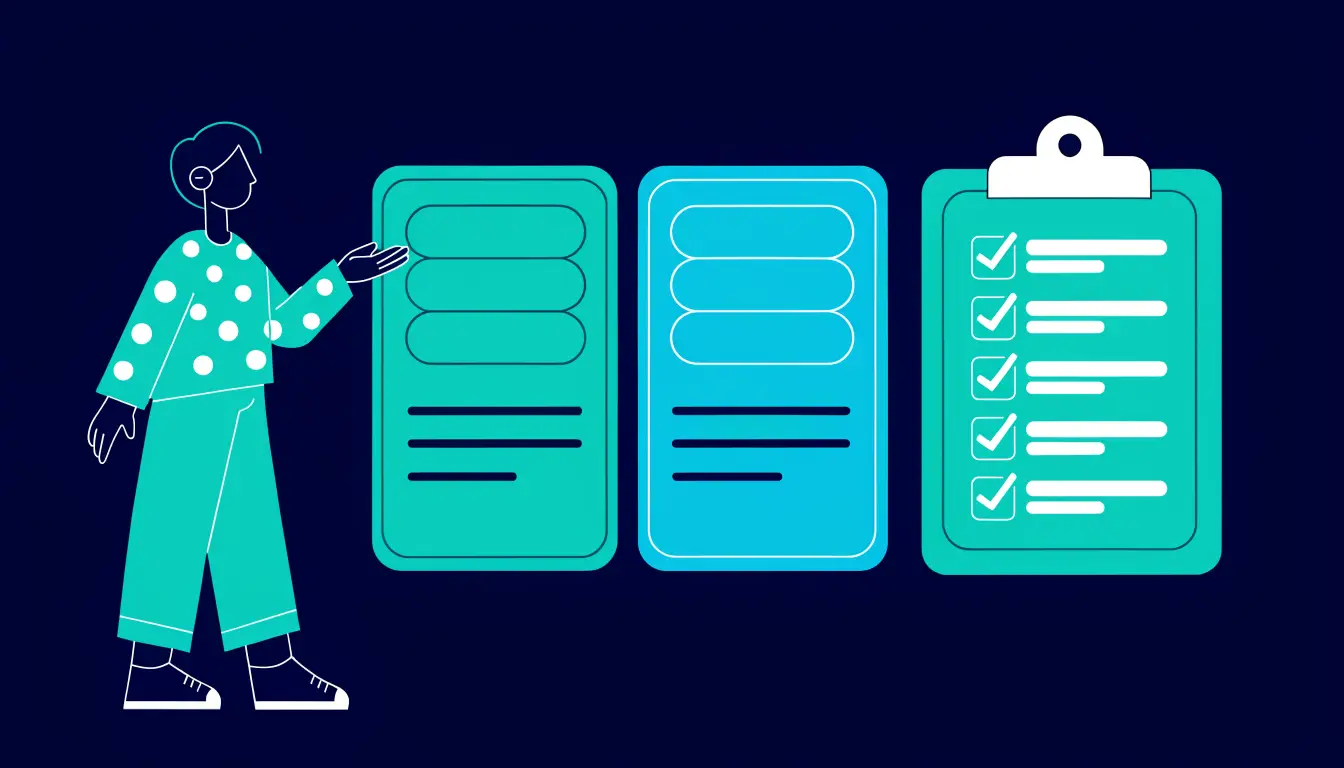
- Run a short checklist: official website, regulation where it applies, security like 2FA and cold storage, clear fees, proof of reserves, honest reviews, working support, and history.
- Regulation and availability vary by country. An exchange can be legal in one place and restricted in another — confirm it is allowed where you live.
- Watch for red flags: guaranteed returns, pressure to act fast, hidden company info, look-alike web addresses, and blocked withdrawals.
- Test before you commit. Start small, make one small withdrawal early, and see whether support actually replies.
Before you send money to any crypto exchange, it is worth asking a simple question: can I trust it? A slick website and a big logo prove nothing. Scammers copy real brands, and even genuine exchanges can run into trouble. The good news is that you do not need insider knowledge to check an exchange — you just need to know what to look at.
This guide gives you a plain, repeatable way to verify whether a crypto exchange is legitimate. An exchange is a platform where you buy, sell, and store crypto. We will walk through a checklist, show you how to confirm regulation and availability, and list the warning signs of a fake or risky platform.
Who this guide is for:
- Beginners about to sign up for their first exchange.
- Anyone who found a platform through an ad, a message, or a friend and wants to check it first.
- People who want a clear, do-it-yourself way to spot a scam before it costs them.
If you are still weighing up options, our guide on how to choose a crypto exchange covers the wider decision. This article focuses on one part of it: proving a platform is real and safe before you trust it.
Why checking matters
Checking matters because a bad exchange can take your money and leave you with no way to get it back. There are two kinds of danger. The first is a fake exchange — a website or app built only to collect deposits and disappear. The second is a failing exchange — a real platform that runs out of money, gets hacked, or freezes withdrawals.
In both cases, the outcome for you is the same: funds you cannot withdraw. Crypto also makes this worse than a bank. Payments are hard to reverse, and there is often no deposit insurance to fall back on. That is why a few minutes of checking up front is one of the most valuable habits in crypto.
Verifying an exchange does not guarantee nothing will ever go wrong. It simply tips the odds heavily in your favour by filtering out the platforms that are clearly unsafe.
A checklist to verify an exchange
Work through these checks before you deposit. No single item proves an exchange is safe, but together they build a clear picture. The more boxes a platform ticks, the more confident you can be.

- The official website and app. Type the address yourself or use a trusted bookmark — do not follow links from ads, emails, or messages. Check the spelling of the web address letter by letter, and only download apps from the official site or the real app store listing.
- Regulation or licensing, where it applies. Many exchanges register with a financial regulator in the countries they serve. Look for a named licence or registration you can confirm on the regulator's own website, not just a badge on the exchange's page.
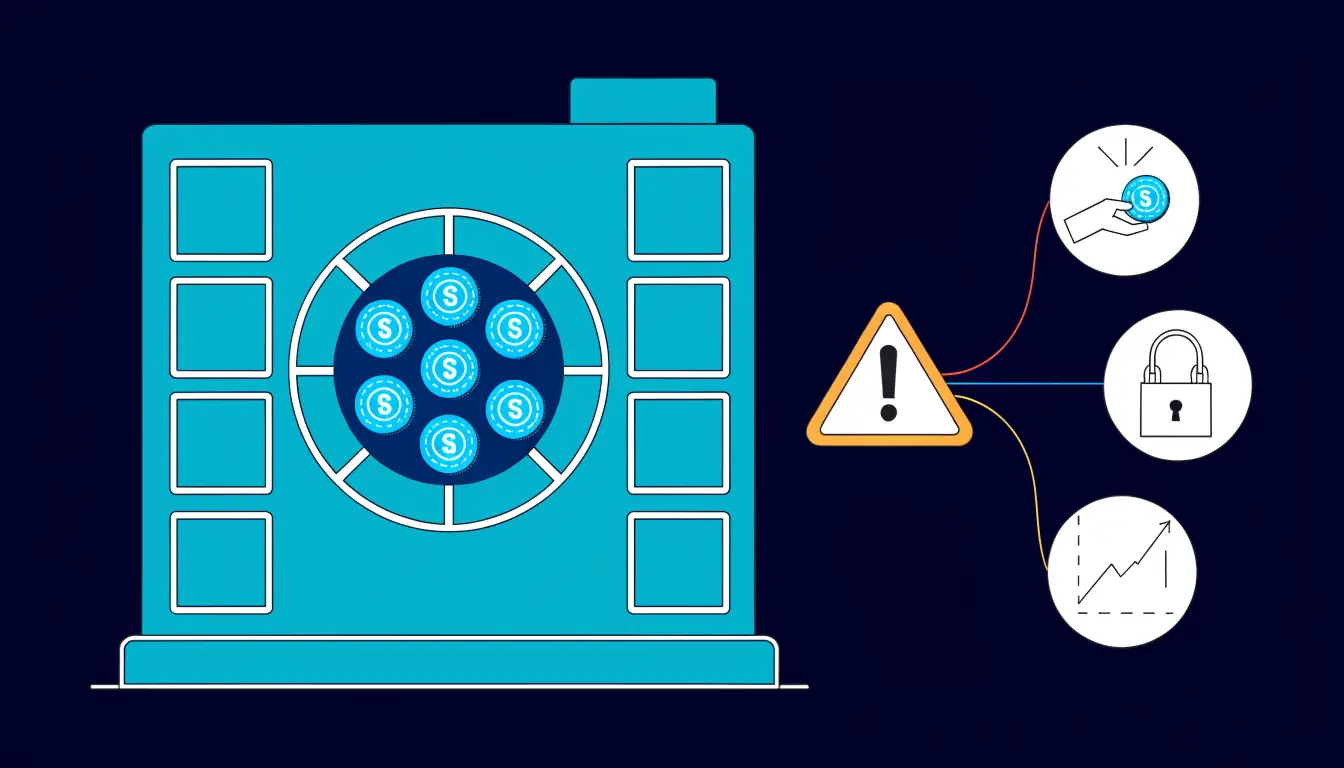
- Security features. A real exchange offers strong protection: two-factor authentication (2FA), the option to whitelist withdrawal addresses, and a statement that most customer funds are held in cold storage (offline wallets that are harder to hack).
- Transparent fees. You should be able to find a clear fees page before you sign up. Hidden or vague pricing is a warning sign.
- Proof of reserves. Some exchanges publish evidence that they actually hold the assets customers deposited. Learn how this works in our guide to what proof of reserves is.
- Real, independent reviews. Look for reviews on sites the exchange does not control, and read the negative ones. A pattern of "cannot withdraw" complaints is a serious signal.
- Working customer support. Check that there is a real support channel and that people report getting answers. Test it yourself before you deposit much.
- A track record. How long has the platform been running? A brand-new exchange with no history deserves more caution than one that has operated openly for years.
Check regulation and availability
Regulation tells you whether an exchange follows rules set by a government body — things like verifying customers, protecting funds, and reporting fraud. But crypto rules differ from country to country. An exchange can be fully regulated in one place, lightly regulated in another, and not allowed at all somewhere else.
So there are really two questions. First, is the exchange regulated in a way you can confirm? If it names a licence, look that licence up on the regulator's official website to make sure it is genuine. Second, is the exchange allowed where you live? Some platforms block or restrict users in certain countries, and using one that is not permitted can mean frozen funds or a locked account later.
Tip: Before you sign up, check the exchange's own "supported countries" or terms page for your location, and confirm crypto trading is legal where you live. A platform being popular does not mean it is available — or permitted — everywhere.
Red flags of a fake or risky exchange
Some warning signs show up again and again. If you see one, slow down. If you see several, walk away.

- Guaranteed or "risk-free" returns. No real exchange can promise profit. Crypto prices go up and down, and anyone guaranteeing gains is lying.
- Pressure to act fast. Countdown timers, "limited spots," or a person rushing you are classic scam tactics. Legit platforms let you take your time.
- No clear company information. If you cannot find who runs the platform, where it is based, or how to contact it, treat that as a serious warning.
- A look-alike web address. Scammers copy real brands with tiny spelling changes or odd endings. Check the address character by character.
- Withdrawals that never arrive. If you cannot take your money out — or you are told to pay a "fee" or "tax" first to unlock it — the platform is almost certainly a scam.
- Fake or copy-paste reviews. A wall of five-star reviews all posted at once, with similar wording, is not real feedback.
- Unrealistic bonuses. Huge sign-up bonuses or "double your deposit" offers are bait, not generosity.
Warning: Fake exchanges often copy the name, logo, and design of a well-known brand to look trustworthy. Learn how to spot the clones in our guides to fake crypto apps and websites and common crypto scams.
Test before you commit
Checks on paper are a good start, but the strongest proof is a small real test. Once an exchange passes your checklist, try it gently before you move any serious money.
- Start small. Deposit a small amount first and make a small trade. See how the platform behaves before you scale up.
- Make a small withdrawal early. This is the single most useful test. If you can deposit but cannot easily withdraw, that is the clearest sign something is wrong.
- Contact support. Send a simple question and see if you get a real, helpful reply in a reasonable time. Silence or a bot loop is a bad sign.
If any of these small tests fail, stop before you deposit more. A platform that makes it hard to get your money out has told you everything you need to know.
Tips and common mistakes
Helpful tips
- Bookmark the real address. Once you confirm the official website, save it and use the bookmark every time to avoid look-alike sites.
- Verify licences at the source. Look up any claimed licence on the regulator's own website, not just the exchange's page.
- Read the one-star reviews. They often reveal withdrawal problems that the marketing hides.
- Turn on security straight away. Enable two-factor authentication and withdrawal whitelists the moment you create an account.
Common mistakes to avoid
- Trusting looks alone. A professional design is easy to fake. Judge an exchange on what you can verify, not how it looks.
- Clicking links from ads or messages. These are a common way people land on fake sites. Navigate there yourself.
- Skipping the withdrawal test. Depositing a large amount before checking you can withdraw is how many people get trapped.
- Ignoring availability rules. Using an exchange that is not permitted where you live can get your funds frozen later.
Frequently asked questions
How do I know if a crypto exchange is legit?
Check what you can verify yourself: the official website, clear company details, security features like 2FA and cold storage, transparent fees, independent reviews, and working support. Then test it with a small deposit and withdrawal. No single item is proof, but together they build a reliable picture.
Is a regulated exchange safer?
Usually, yes. Regulation means the exchange must follow rules on protecting customers and funds, which adds a layer of accountability. But rules differ by country, and regulation is not a guarantee. Always confirm the licence on the regulator's own website and still run the rest of your checks.
What is proof of reserves?
Proof of reserves is evidence that an exchange actually holds the assets its customers deposited, rather than lending them out or losing them. It helps show the platform can cover withdrawals. It is a positive signal, though it does not by itself prove an exchange is fully safe.
How do I spot a fake exchange?
Watch for guaranteed returns, pressure to act fast, missing company information, a web address that copies a real brand with small changes, and withdrawals that never arrive. Fake bonuses and walls of identical five-star reviews are also warning signs. Any of these is a reason to stop.
Should I test an exchange with a small amount?
Yes. Depositing a small amount, making a small trade, and then withdrawing a little is the best real-world test. If you can get your money out easily and support responds, that is a strong sign. If withdrawals are blocked or delayed, do not deposit more.
Summary
You do not have to guess whether a crypto exchange is legit — you can check. Confirm the official website, look for regulation you can verify, review the security and fees, read honest reviews, and see whether the platform is even allowed where you live. Then prove it with a small deposit and an early withdrawal. If anything makes it hard to get your money out, walk away.
Next step: now that you can verify a platform, learn the full list of things to check in our guide to what to look for in a safe exchange.