What Is a Blockchain Bridge and Its Risks?

Key takeaways
- A blockchain bridge is a tool that moves crypto (and sometimes data) between two different blockchain networks that cannot talk to each other directly.
- Most bridges use a lock-and-mint method: your coin is locked on one chain and a matching "wrapped" version is created on the other.
- Bridges are convenient — they let you use apps and coins across many networks and often on cheaper chains.
- Bridges are also high-risk. They hold large pools of funds and have been hacked for hundreds of millions of dollars in single exploits.
- If you must bridge, use a reputable, audited bridge, move a small amount first, and double-check you are on the official site and the right network.
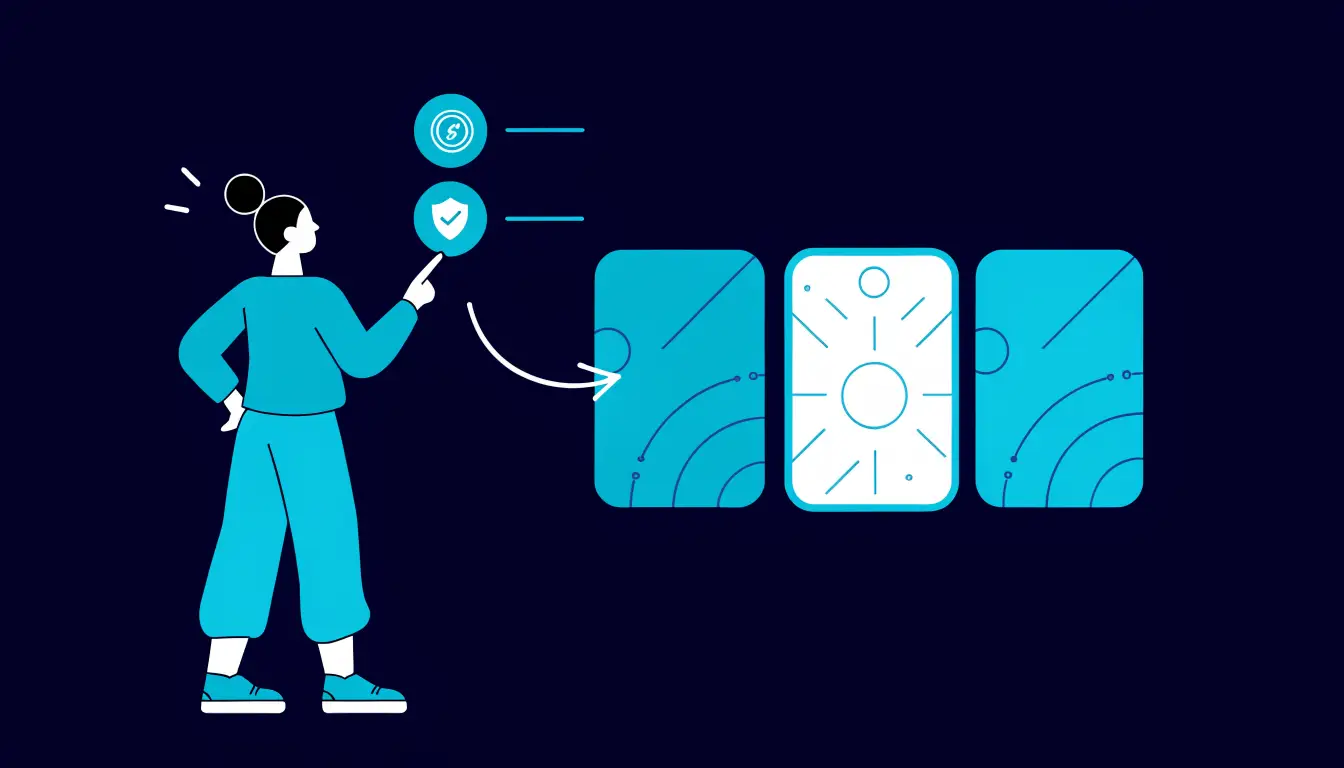
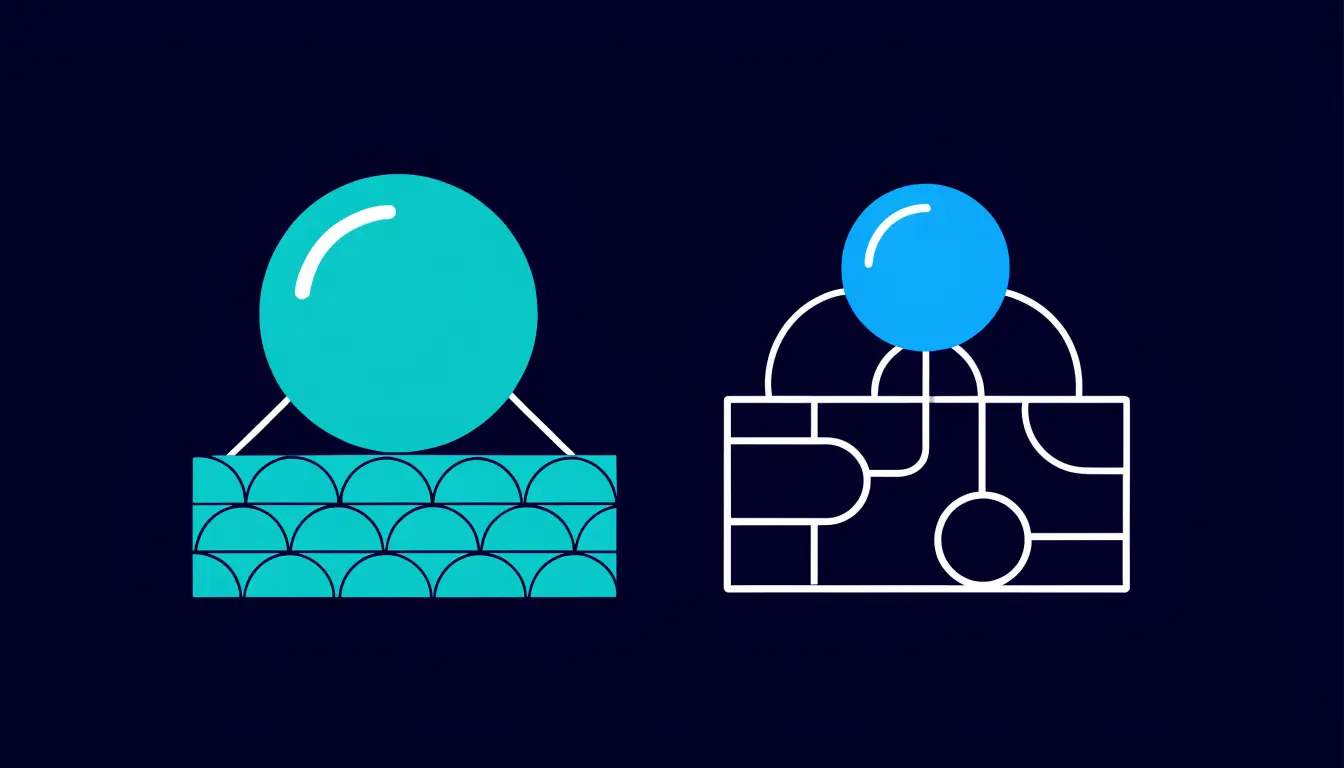
Crypto does not live on one big network. It is spread across many separate blockchains — Bitcoin, Ethereum, Solana, and dozens more. Each is its own island, and by default they cannot send anything to each other. A blockchain bridge is the tool that connects those islands so your crypto can cross from one to another.
Bridges are genuinely useful, but they are also one of the riskiest corners of crypto. They have been the target of some of the largest hacks in the industry's history. This guide explains what a bridge is, how it works, why people use them, and — most importantly — the serious risks you need to understand first. It is written in plain English for beginners.
Who this guide is for:
- Beginners who keep seeing the word "bridge" and want to know what it means.
- Anyone thinking about moving a coin from one network to another.
- People who want to understand the risks before they click "bridge."
New to the basics? Start with our guide to what a blockchain is, then come back here.
What is a blockchain bridge?
A blockchain bridge is a tool that connects two different blockchains so that assets or data can move between them. Think of two separate railway networks built to different standards — a bridge is the link that lets a passenger cross from one to the other.
This matters because each blockchain is its own closed system. Bitcoin does not know what is happening on Ethereum. Ethereum does not know what is happening on Solana. They keep separate records and speak different "languages." Without a bridge, a coin that lives on one chain simply cannot appear on another.
A bridge solves that by acting as a middleman between the two networks. You hand your crypto to the bridge on the first chain, and the bridge gives you a matching amount on the second chain. The end result feels like your coin "moved" across — even though, under the hood, something a bit more involved is happening.
Simple analogy: a bridge is like a currency exchange booth at an airport. You do not carry the same physical notes into the new country — you swap them for the local version that works there.
How a bridge works
Most bridges use a method called lock-and-mint. Here is the idea in plain steps, using an example of moving a coin from Chain A to Chain B:

- Lock: You send your coin to the bridge on Chain A. The bridge locks it in a smart contract — a small program that holds the funds and cannot be spent while locked.
- Mint: The bridge then creates (mints) a new "wrapped" version of that coin on Chain B, backed one-to-one by the coin locked on Chain A.
- Use: You now hold the wrapped coin on Chain B and can use it in apps there.
- Burn-and-release: To go back, the bridge destroys (burns) the wrapped coin on Chain B and unlocks (releases) your original coin on Chain A.
A smart contract is code stored on a blockchain that runs automatically when its conditions are met. A "wrapped" coin is just a stand-in token that represents your locked coin on another network. If this token-versus-coin idea is fuzzy, our guide to coins vs tokens explains the difference clearly.
The key point: your original coin does not literally travel. It stays locked on the first chain while a matching version is used on the second. Everything depends on that lock staying safe — which is exactly where the risk lives.
Why bridges are useful
If bridges are risky, why do people use them at all? Because crypto is spread across many networks, and being stuck on one of them is limiting. Bridges open a few real doors:
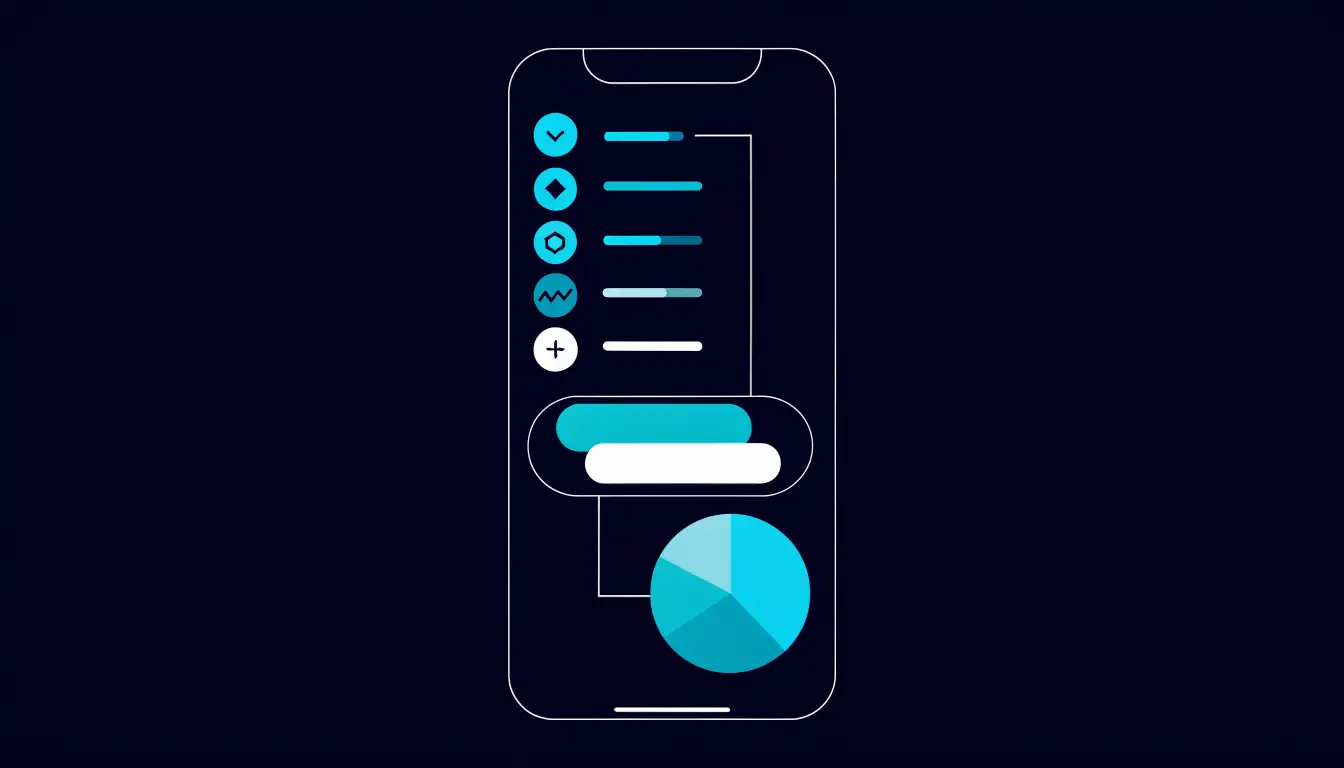
- Reach apps on other chains. A lending app, game, or exchange you want may only run on a network your coin is not on. Bridging lets you take part.
- Access coins or tokens elsewhere. Some assets only exist on a specific chain. A bridge lets you bring value there to buy or use them.
- Use cheaper, faster networks. Fees on one chain can be high; another may charge a fraction of that. Bridging can move activity to a network that is cheaper for everyday transactions.
- Spread activity across ecosystems. Bridges let the wider crypto world act less like separate islands and more like a connected system.
Fees, speed, and support differ a lot between networks, so the "right" chain depends on what you are doing. Our guide to choosing the right network for transfers walks through how to weigh those trade-offs before you move anything.
The serious risks of bridges
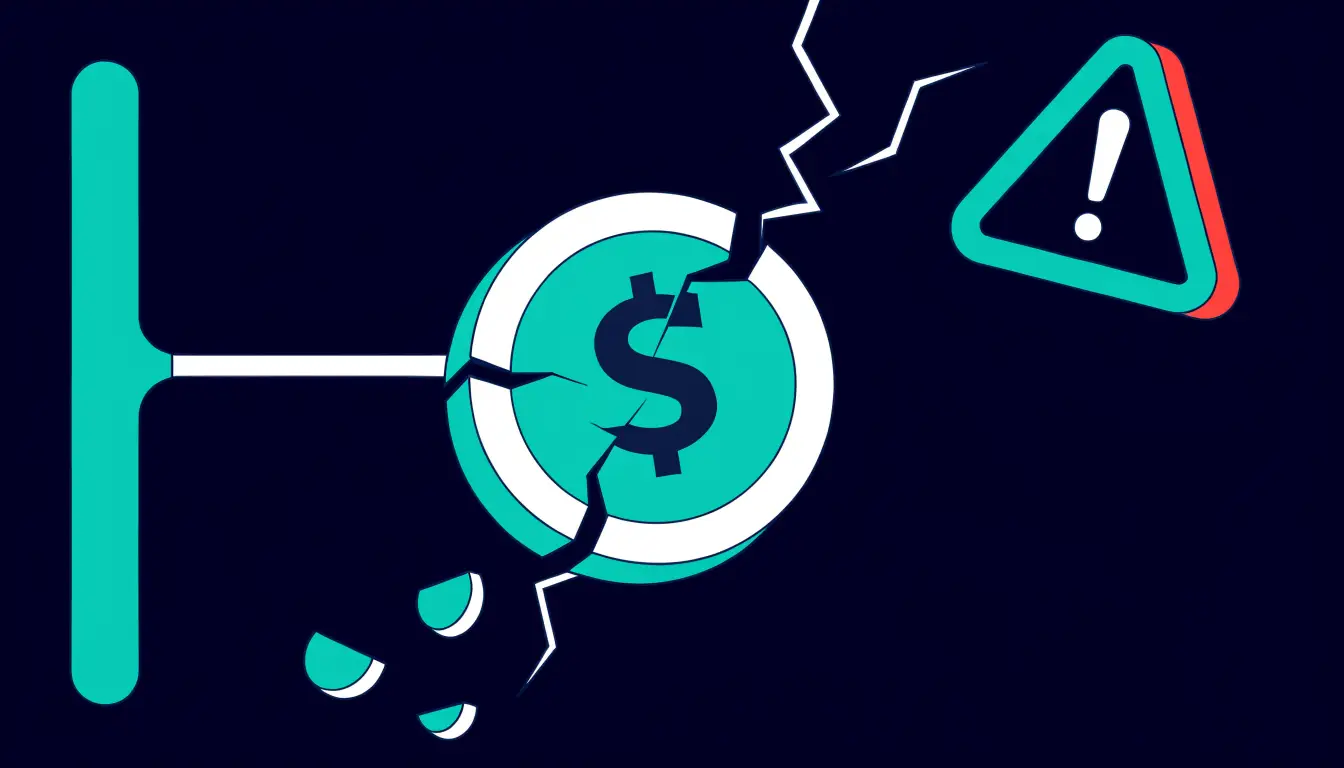
This is the most important section, so read it carefully. Bridges are among the highest-risk tools in crypto. Because they hold large pools of locked funds in one place, they are a favourite target for attackers — and several bridges have been drained for enormous sums.

Here are the main dangers:
- Smart-contract bugs. A bridge is run by code. If that code has a flaw, an attacker can exploit it to unlock or mint funds they should not be able to. One line of bad code can put an entire pool at risk.
- Major hacks and exploits. Bridges have suffered some of the largest thefts in crypto history — several individual bridge hacks have topped hundreds of millions of dollars. When a bridge is drained, users can lose the funds that were locked in it.
- Custody risk. Many bridges depend on a small group of operators or a central party to hold or approve funds. If that party is hacked, makes a mistake, or acts dishonestly, your funds can be lost.
- Wrong-network mistakes. Bridging involves choosing chains and pasting addresses. Send to the wrong network or an unsupported address and the funds may be stuck or gone for good — no support desk can reverse it.
Warning: Never bridge more than you are willing to lose, and never treat a bridge as safe storage. Bridges are for moving funds, not holding them. Attackers also copy popular bridge websites to steal deposits — learn the warning signs in our guide to common crypto scams.
Many bridges connect to DeFi — decentralised finance apps that run on smart contracts instead of a company. That world carries its own risks on top of the bridge itself. Our guide to what DeFi is explains what you are stepping into.
How to reduce bridge risk
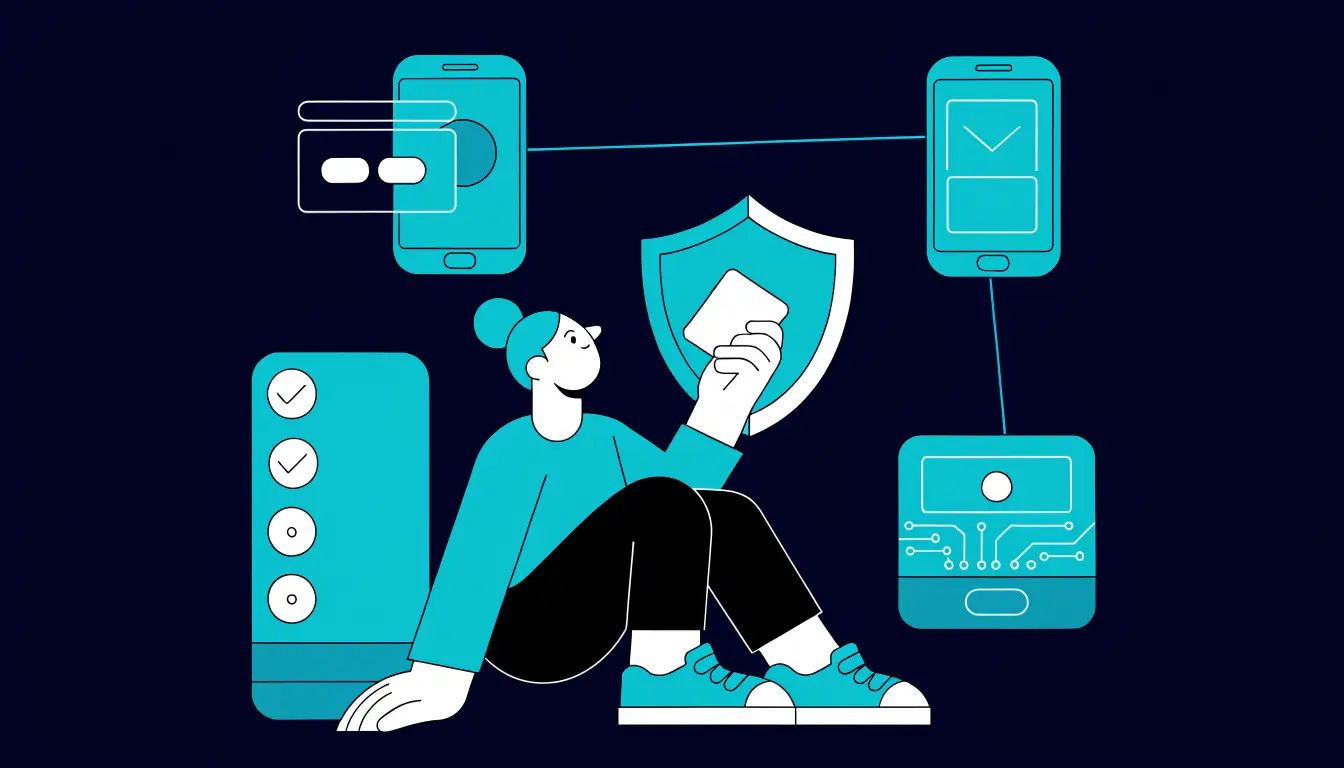
You cannot make bridging risk-free, but you can lower the odds of a painful mistake. If you decide to use a bridge, follow these habits:
- Use reputable, audited bridges. Stick to well-known bridges that have been independently audited and have a long track record. Newer or unknown bridges carry far more risk.
- Move a small amount first. Do a small test transfer, confirm it arrives correctly, and only then move more. This is the single best habit for catching a mistake early.
- Double-check the networks. Confirm the source chain, the destination chain, and the token before you approve anything. A wrong network is often unrecoverable.
- Use official links only. Reach a bridge through its official site or app — not a link from a message, ad, or search result you are unsure about. Fake bridge sites are a common trap.
- Do not park funds in a bridge. Move, use, and move on. The longer funds sit in a bridge, the more exposed they are.
A simpler option often exists: many people never need a bridge at all because a centralised exchange can move a coin between networks for them. If a bridge feels risky or confusing, that is a fair reason to pause and consider the easier route.
Tips and common mistakes
Helpful tips
- Ask if you even need to bridge. An exchange can often deliver a coin straight onto the network you want, with no bridge involved.
- Test with a tiny amount the first time you use any bridge, and keep the confirmation until the funds arrive.
- Bookmark the official bridge site so you never rely on a search result or a link someone sends you.
- Keep some of the destination chain's native coin so you can pay the small fee needed to move funds once they arrive.
Common mistakes to avoid
- Bridging a large amount straight away without a small test first.
- Choosing the wrong network for the destination, which can strand or lose your funds.
- Using an unknown, unaudited bridge because it promised lower fees or a bonus.
- Treating a bridge like a wallet and leaving funds sitting inside it.
Frequently asked questions
What is a blockchain bridge?
A blockchain bridge is a tool that connects two different blockchains so that assets or data can move between them. It usually locks your coin on one chain and creates a matching version on the other.
Why are bridges risky?
Bridges hold large pools of funds and run on smart-contract code. If that code has a bug, or the operators are hacked, the locked funds can be stolen. A wrong-network mistake can also lose your funds with no way to reverse it.
Have bridges been hacked?
Yes. Bridges have suffered some of the largest thefts in crypto, with several single exploits topping hundreds of millions of dollars. This is why bridges are considered high-risk and why you should only move what you can afford to lose.
Do I need a bridge?
Often not. Many people move a coin between networks through a centralised exchange instead, which handles the process for you. A bridge is mainly needed when you want to use apps or tokens on another chain directly.
How do I use a bridge safely?
Use a reputable, audited bridge reached through its official site, move a small test amount first, and double-check the source chain, destination chain, and token before approving. Never leave funds parked in a bridge.
Summary
A blockchain bridge connects two separate networks so crypto can move between them, usually by locking your coin on one chain and minting a matching version on the other. Bridges are useful for reaching apps, coins, and cheaper networks — but they are high-risk. They hold large pools of funds, run on code that can have bugs, and have been hacked for enormous sums. If you use one, choose a reputable, audited bridge, move small amounts, and check every network carefully.
Next step: want to understand the world most bridges connect to? Read our beginner guide to what DeFi is.