What Is DeFi? Decentralized Finance Explained

Key takeaways
- DeFi (decentralized finance) means financial services — lending, borrowing, trading, and earning — that run on a blockchain using code, with no bank or middleman in charge.
- You interact directly from your own wallet. You keep control of your money — but you also carry all the responsibility. There is no help desk to call.
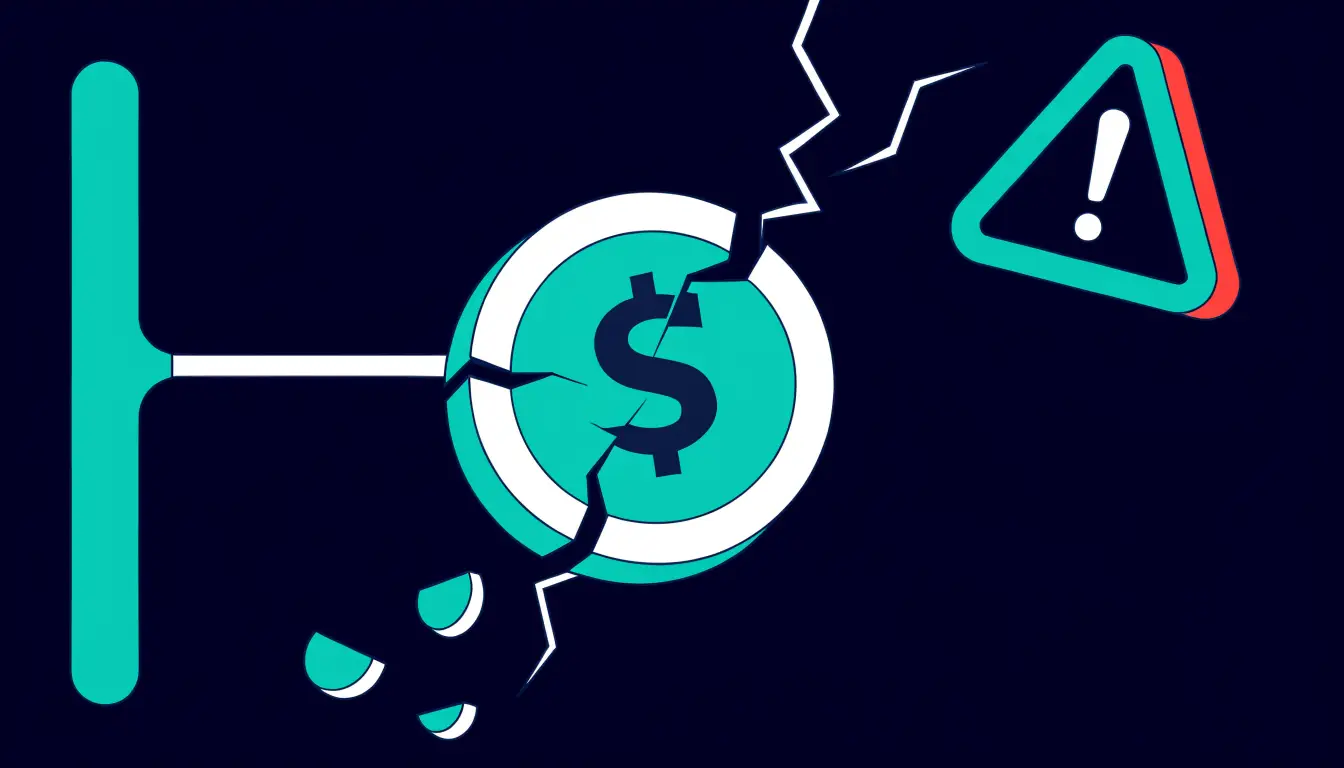
- DeFi is high risk: software can have bugs, projects get hacked, and scams are common. Losses are often permanent.
- There is no safety net — no government insurance, no deposit protection, and no chargebacks. If funds are gone, they are usually gone for good.
- If you explore DeFi, start with a tiny amount, use well-known audited services, and never risk more than you can afford to lose.
You may have heard the term DeFi and wondered what it actually means. DeFi is short for decentralized finance. In plain words, it is a way to use financial services — like lending money, borrowing, or trading — without a bank or company running things. Instead, computer code on a blockchain does the job automatically.
This guide explains what DeFi is, how it works, and the main services people use. It also spends real time on the serious risks, because DeFi can be far more dangerous than a normal savings app. This is education, not financial advice.
Who this guide is for:
- Beginners who keep seeing "DeFi" and want a clear, honest explanation.
- People deciding whether DeFi is worth exploring — and what could go wrong.
- Anyone who wants to understand the risks before touching it.
Brand new to this whole area? Start with our beginner guide to what cryptocurrency is, then come back here.
What is DeFi?
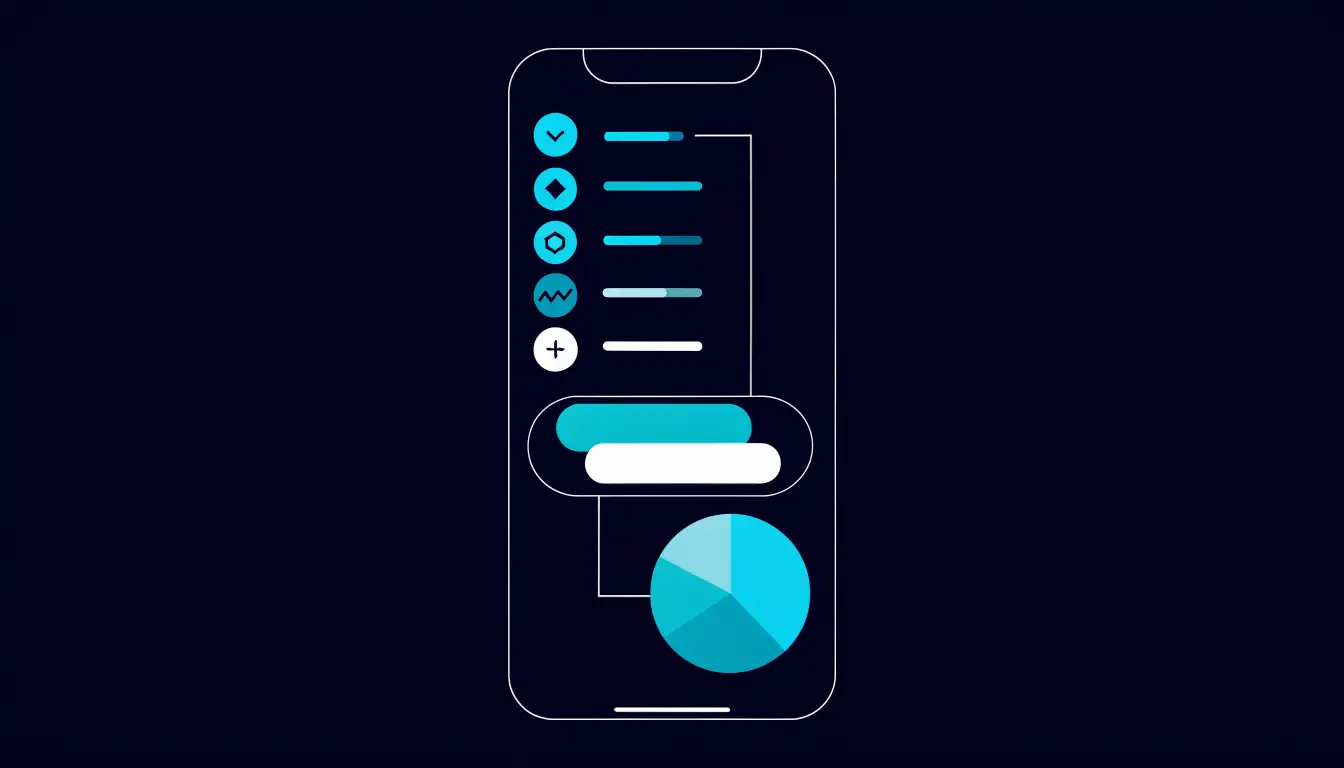
DeFi is a set of financial services — lending, borrowing, trading, and earning — that run on a blockchain using software instead of a bank. The word "decentralized" means no single company or person is in charge. The rules are written into code, and that code runs the same way for everyone.
Think about a normal bank. When you save, borrow, or send money, the bank sits in the middle. It holds your money, checks the rules, and can approve or block what you do. DeFi tries to remove that middleman. You connect your own wallet and deal directly with the code.
Most DeFi runs on programmable blockchains. Ethereum is the best-known example, though others exist too. If the idea of a blockchain is new to you, our guide to what a blockchain is explains the shared, tamper-resistant record that makes all of this possible.
Simple analogy: think of DeFi like a vending machine for financial services. You put something in, the machine follows fixed rules, and it gives you a result — with no cashier involved. That is powerful, but it also means no one can step in to fix a mistake.
How does DeFi work?
DeFi is built from a few simple parts working together. Once you know them, most DeFi apps make sense.

- Smart contracts. These are small programs stored on the blockchain. They run automatically when their conditions are met — for example, "if this person repays the loan, release their deposit." The code is the rulebook.
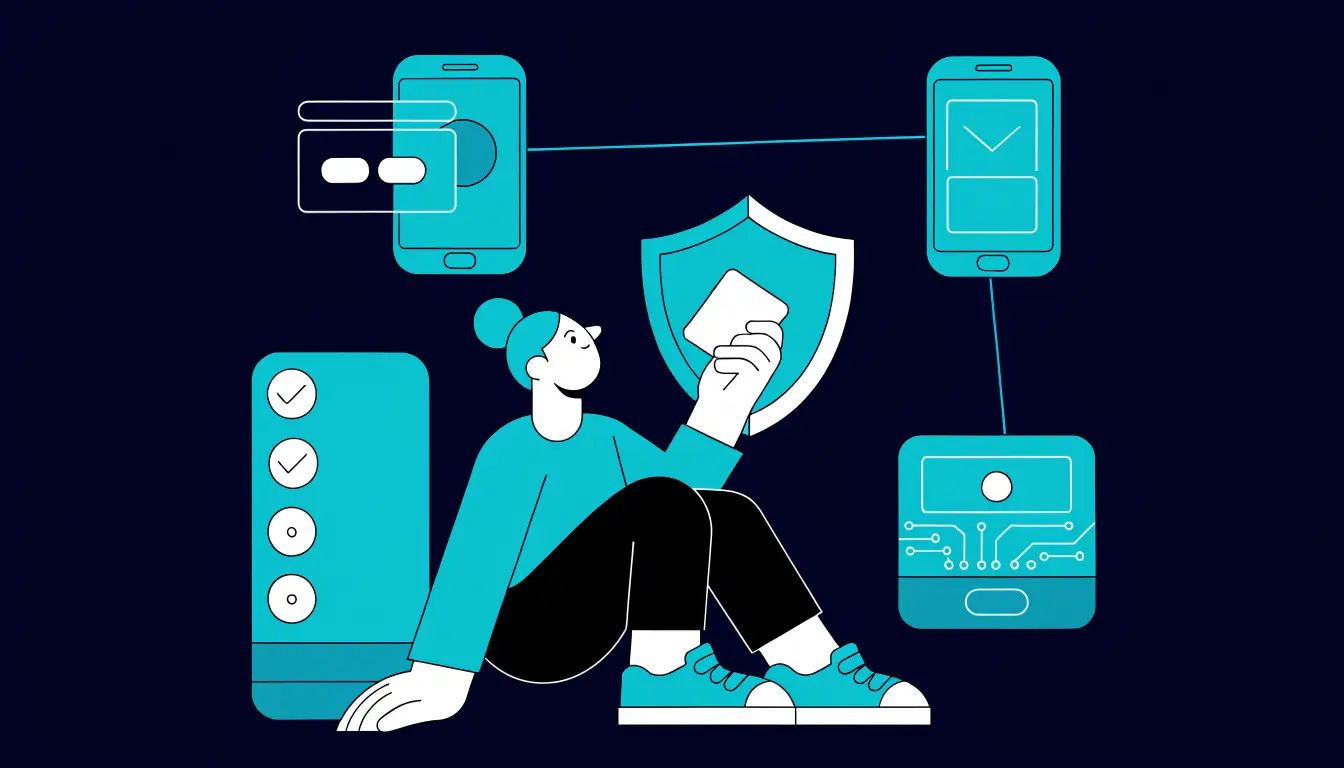
- Non-custodial wallets. You hold your own keys and connect your wallet to a DeFi app. No company holds your funds for you. To understand this key difference, see custodial vs non-custodial wallets.
- Decentralized exchanges (DEXs). These let people trade one token for another directly from their wallets, without a company matching buyers and sellers. Our guide on CEX vs DEX compares them with regular exchanges.
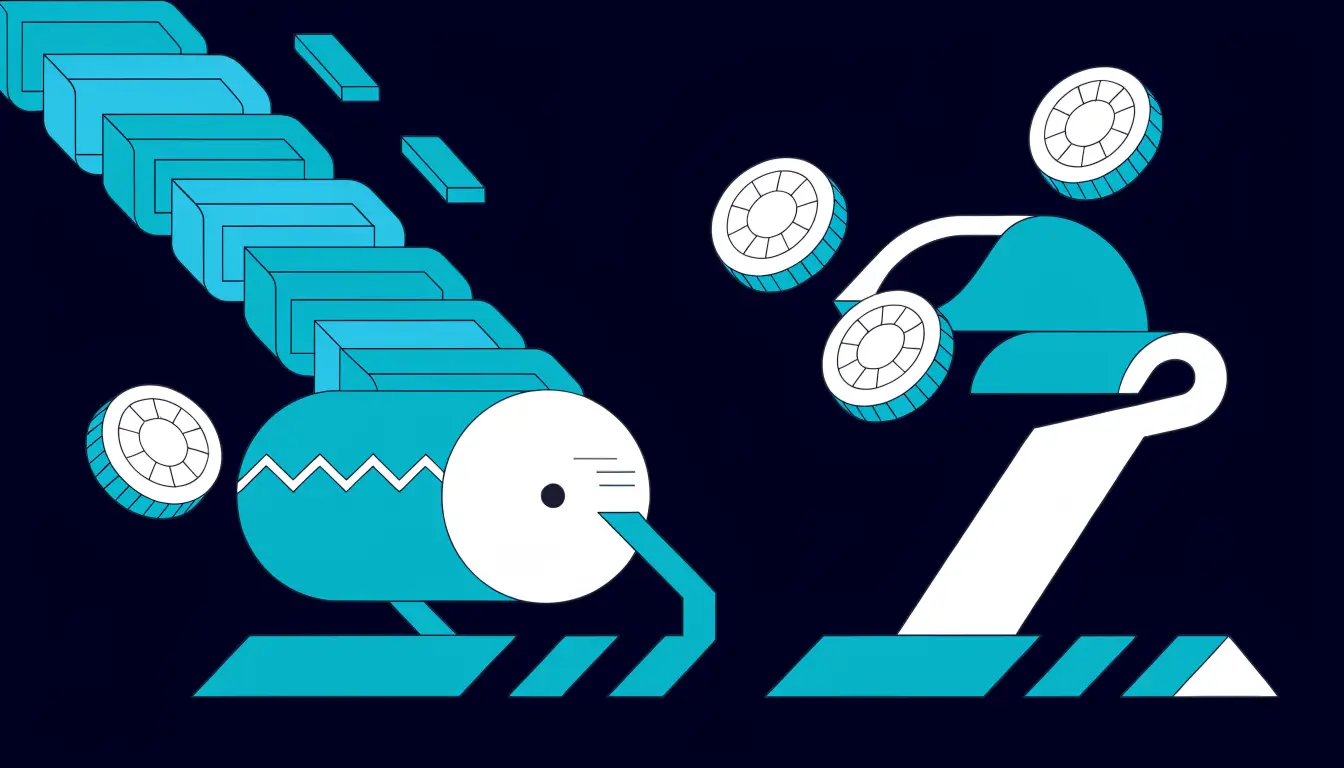
- Liquidity pools. Instead of a traditional order book, many DEXs use big shared pots of tokens called pools. Users add tokens to a pool, and traders swap against it. In return, the people who supply tokens can earn a share of the fees.
Put together, this means you can lend, borrow, or trade straight from your wallet. The trade-off is that you, not a bank, are responsible for every action you approve.
Common DeFi services
DeFi is not one product. It is a whole set of services that copy things banks normally do. Here are the most common ones.
| Service | What it does |
|---|---|
| Decentralized exchanges (DEXs) | Let you swap one token for another directly from your wallet, without a company in the middle. |
| Lending and borrowing | You can lend out crypto to earn interest, or lock up crypto as collateral to borrow other tokens. |
| Staking and yield | You put tokens to work — for example, supplying a liquidity pool — in the hope of earning rewards. Rewards are never guaranteed and can turn into losses. |
| Stablecoins | Tokens designed to hold a steady value, often tied to a currency like the US dollar, used as a "cash" layer inside DeFi. |
You will often hear "yield farming" — moving tokens between services to chase the highest rewards. It sounds like easy money, but it is not. High advertised returns usually come with high risk, and the reward can vanish or reverse quickly.
The serious risks of DeFi
DeFi removes the middleman — but the middleman was also a safety net. When you use DeFi, that net is gone. These risks are real, and they cause people to lose money every day.

- Smart-contract bugs and hacks. DeFi runs on code, and code can have flaws. Attackers hunt for these bugs and have drained huge amounts from DeFi apps. Even audited projects have been hacked.
- Scams and rug pulls. Anyone can launch a token or app. Some are built purely to steal money — the creators take the funds and disappear. Learn the pattern in our guide to what a rug pull is.
- Impermanent loss. If you supply tokens to a liquidity pool and their prices move apart, you can end up with less value than if you had simply held the tokens. It is a real cost that surprises many beginners.
- No customer support or insurance. There is no help desk, no deposit protection, and no government guarantee. If something goes wrong, usually no one can refund you.
- Irreversible mistakes. Send funds to the wrong address or approve a bad transaction, and it cannot be undone. There is no "cancel" button.
- High gas fees. Every action costs a network "gas" fee. On busy networks these fees can spike, sometimes costing more than the amount you are trying to move.
Warning: DeFi is high-risk. Fake apps, fake support staff, and copycat websites are everywhere. Never share your seed phrase, and treat any promise of guaranteed or "risk-free" returns as a scam. See our guide to common crypto scams to learn the warning signs.
If you explore DeFi, do it carefully
If you decide to try DeFi anyway, slow down and treat it as an experiment, not a savings plan. A careful approach lowers — but never removes — the risk.
- Start tiny. Use a small amount you are fully prepared to lose while you learn how everything behaves.
- Use reputable, audited protocols. Stick to well-known, established apps that have been reviewed by security experts. Avoid brand-new projects promising huge rewards.
- Secure your wallet. Use a strong, self-controlled wallet and keep your device free of malware. A hardware wallet adds a strong layer of protection.
- Never share your seed phrase. No real app or support agent will ever ask for it. Anyone who does is trying to steal from you.
- Understand before you commit. Do not click "approve" until you know what a transaction does. If you do not understand it, do not sign it.
Tips and common mistakes
Helpful tips
- Test with a small amount first when trying any new DeFi app, so a mistake costs little.
- Double-check the website address every time. Fake DeFi sites copy real ones to trick you into connecting your wallet.
- Read what you are approving. Your wallet shows the details of each transaction — take a moment to check them.
- Keep records. Note what you did and when. It helps you learn and can matter for tax reporting.
Common mistakes to avoid
- Chasing high yields without asking why the return is so high. Big advertised returns usually mean big hidden risk.
- Putting in money you cannot afford to lose. DeFi losses are often permanent — never invest more than you can afford to lose.
- Sharing or storing your seed phrase online. That is the fastest way to lose everything in your wallet.
- Assuming "audited" means "safe." Audits reduce risk but do not remove it. Audited projects still get hacked.
Frequently asked questions
What is DeFi in simple terms?
DeFi means decentralized finance. It is a way to lend, borrow, trade, and earn using code on a blockchain, instead of going through a bank or company. You connect your own wallet and deal directly with the software.
Is DeFi safe?
No, DeFi is high-risk. Software can have bugs, apps get hacked, and scams are common. There is no insurance and no customer support, so losses are often permanent. Only ever use money you can afford to lose.
What is a DEX?
A DEX is a decentralized exchange. It lets people swap one token for another directly from their own wallets, without a company matching buyers and sellers. Many DEXs use shared liquidity pools instead of a traditional order book.
Can you make money with DeFi?
Some people earn rewards through lending or liquidity pools, but nothing is guaranteed and many people lose money. High advertised returns come with high risk. This is not financial advice, and DeFi should never be treated as easy money.
What is impermanent loss?
Impermanent loss happens when you supply tokens to a liquidity pool and their prices move apart. You can end up with less value than if you had simply held the tokens. It is a real cost that catches many beginners by surprise.
Summary
DeFi recreates financial services like lending, borrowing, and trading using code on a blockchain, with no bank or middleman. You keep full control of your money — but you also carry all the responsibility, with no safety net if things go wrong. It is powerful, but genuinely high-risk, so treat any offer of easy or guaranteed returns as a red flag.
Next step: want to understand where you actually trade tokens? Read our comparison of CEX vs DEX to see how centralized and decentralized exchanges differ.