What Are NFTs?

Key takeaways
- An NFT (non-fungible token) is a unique digital token recorded on a blockchain. Each one is one-of-a-kind and cannot be swapped one-for-one like a coin.
- An NFT proves ownership or authenticity of an item — often digital art, a collectible, a game item, or a ticket.
- The value of most NFTs is speculative. Prices depend on what someone else will pay, and there is no guaranteed return.
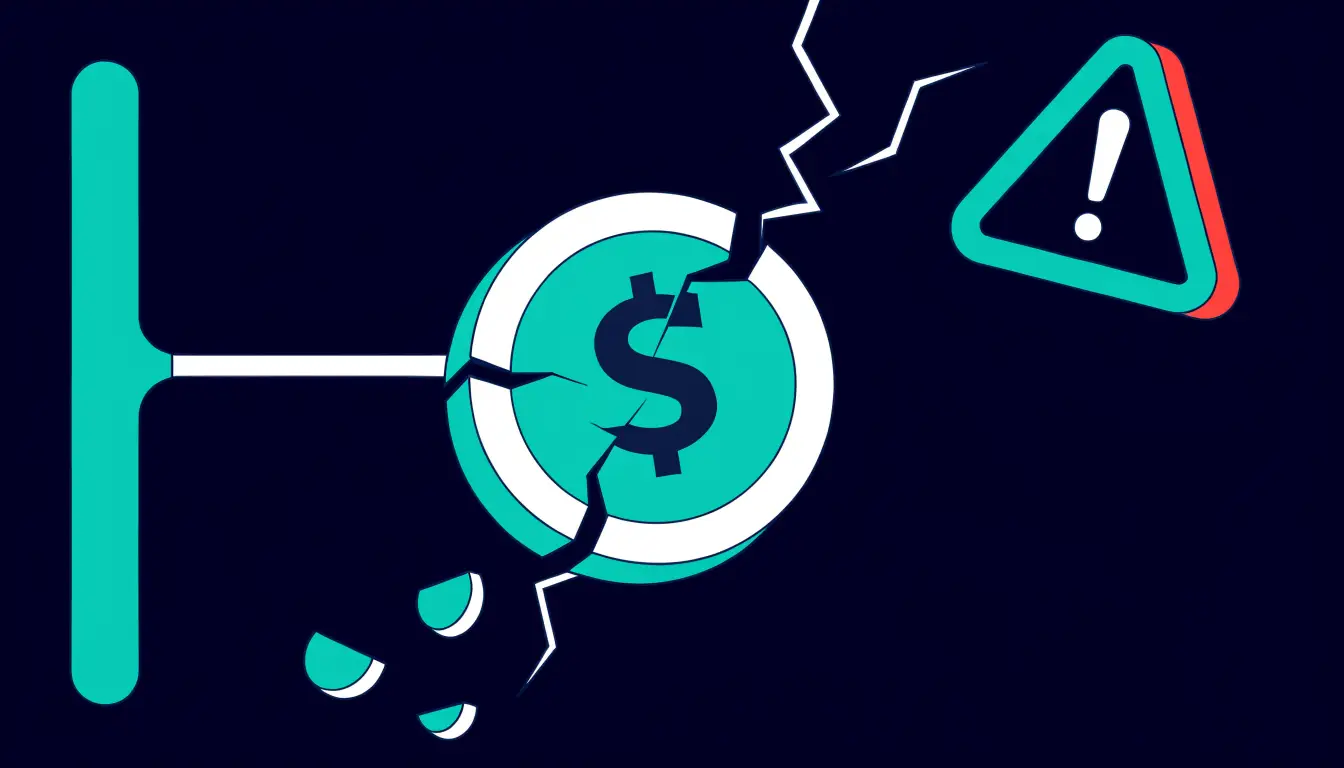
- Many NFTs have lost most or all of their value since the 2021 boom, and the space is full of scams and copycats.
- Owning an NFT often means owning a token that points to a file, not the file itself — so understand exactly what you are buying.
NFTs became one of the most talked-about ideas in crypto, then one of the most criticised. You may have seen headlines about cartoon apes selling for millions, followed by stories of those same pictures losing almost all their value. So what is an NFT, really — and is it worth your attention?
This guide explains what NFTs are in plain English, how they work, what people use them for, and — just as importantly — the honest risks. It does not tell you to buy or avoid them. It gives you the facts so you can decide for yourself.
Who this guide is for:
- Complete beginners who keep hearing "NFT" and want a clear explanation.
- Anyone curious about digital art, collectibles, or blockchain ownership.
- People who want an honest look at the risks before spending any money.
New to crypto in general? It helps to first read our guide to what cryptocurrency is, then come back here.
What is an NFT?
An NFT is a unique digital token stored on a blockchain that proves who owns a particular item. The letters stand for non-fungible token. "Non-fungible" simply means one-of-a-kind — it cannot be swapped for an identical copy, because there is no identical copy.
Compare that to a coin like Bitcoin, which is fungible. One Bitcoin is worth the same as any other Bitcoin, and you can trade one for another without losing anything. Regular money works the same way: a $10 note is interchangeable with any other $10 note.
An NFT is different. Each token carries its own identity and history, so it can stand for a specific item — a specific artwork, a specific collectible, or a specific ticket. Think of it like a signed, numbered certificate: two certificates might look alike, but each one is a separate, trackable original.
Simple analogy: a dollar is fungible — any dollar will do. A concert ticket for a named seat on a named night is non-fungible — it stands for one specific thing. An NFT is the digital version of that named ticket.
How do NFTs work?
NFTs are created — or "minted" — on a blockchain, which is a shared digital record that many computers keep at once. Most NFTs live on Ethereum, though other blockchains support them too. When an NFT is minted, the blockchain records a unique token and who owns it.
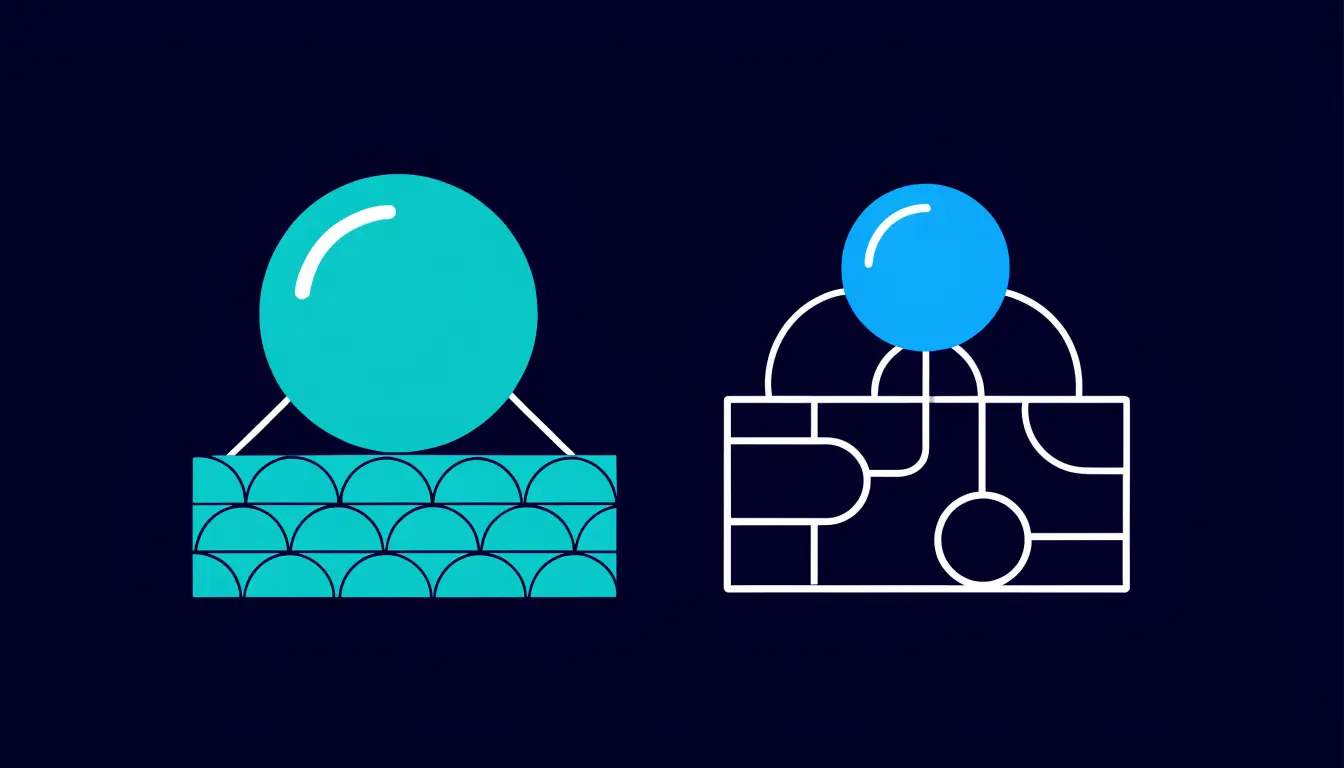
Here is the part that surprises many people. The token itself is what lives on the blockchain. The actual file — the image, video, or music — is usually stored somewhere else, such as a website or a separate storage network. The NFT often holds a link that points to that file, rather than the file itself.

When you buy an NFT, the blockchain updates to show that your wallet is the new owner. Because that record is public and hard to change, anyone can check who owns a token and trace its full history of sales. That transparent, tamper-resistant record is the core idea behind NFTs.
What the record does not do is control the picture everywhere on the internet. Owning the token proves you hold that specific token, but other people can still view, copy, or screenshot the image. Ownership here is about the on-chain record, not exclusive control of the artwork.
What are NFTs used for?
NFTs are best known for digital art, but the idea of a unique, ownable token has been used in several ways. Here are the most common.
- Digital art and collectibles. The most famous use. Artists sell digital pieces, and collectors buy and trade profile-picture sets and one-off works.
- Gaming items. Some games use NFTs for characters, skins, or virtual land, so players can own and trade in-game items outside the game.
- Memberships and access. Some projects use an NFT like a club card — holding it unlocks a community, an event, or online perks.
- Tickets. An NFT can act as an event ticket that is easy to verify and hard to counterfeit.
- Certificates and records. NFTs have been tested for proving authenticity of physical goods or recording achievements, though this use is still early.
It is worth being honest here: some of these uses are genuinely promising, while others were hyped far beyond what they delivered. Many projects launched with big promises and never built anything lasting.
The risks of NFTs
NFTs carry serious risks, and being clear about them matters more than the hype. If you only remember one section of this guide, make it this one.

- Highly speculative. An NFT is worth only what someone else will pay. Prices can swing wildly and are driven by hype, not steady value.
- Many have lost value. After the 2021–2022 boom, a large share of NFTs fell sharply. Studies and market data have shown that many collections became almost worthless.
- Hard to sell (illiquid). Unlike a popular coin, there may be no buyer when you want to sell. You can be stuck holding something no one wants.
- Scams and fake collections. Copycats clone real art, fake "official" pages trick buyers, and some projects vanish with the money after selling out. See our guide to common crypto scams.
- You may only own a link. If the file is stored off-chain and that storage goes down, your NFT can end up pointing to nothing.
- Wash trading. Some sales are faked — a seller buys their own NFT to make a project look more popular and valuable than it really is.
Warning: Treat NFTs as high-risk. Never spend money you cannot afford to lose, and be extra careful with any project promising guaranteed profits — that is a classic warning sign. Learn how to check a project in our guide to how to tell if a crypto project is a scam.
How to stay safe with NFTs
If you decide to explore NFTs, a few habits can protect you from the most common losses. None of these guarantee safety, but they cut the biggest risks.
- Do your own research. Look into the team, the community, and whether the project actually delivers anything. Be suspicious of hype and countdown-timer pressure.
- Use official links only. Reach marketplaces and projects through links you have verified. Fake sites and lookalike pages are a leading way people get robbed.
- Secure your wallet. Use a reputable wallet, keep your device clean, and be careful about which sites you connect it to.
- Never share your seed phrase. No real project or support agent will ever ask for it. Anyone who does is trying to steal your funds.
Fake links and messages are the number one trick. Learn to spot them in our guide to how to spot crypto phishing.
Tips and common mistakes
Helpful tips
- Start by learning, not spending. You can understand NFTs fully without buying one.
- Know exactly what you are buying. Check whether you get the file, a licence, or just a token that links to an image.
- Assume you could lose it all. Only ever use money you can afford to lose completely.
- Verify every link. Bookmark official pages and ignore surprise offers in your inbox or DMs.
Common mistakes to avoid
- Buying because of FOMO. Fear of missing out is exactly what hype-driven sellers rely on.
- Believing "guaranteed" returns. No one can promise an NFT will rise in value. That claim is a red flag.
- Connecting your wallet to unknown sites. A single bad approval can drain your wallet.
- Confusing owning a token with owning the copyright. Owning an NFT rarely gives you the rights to the artwork.
Frequently asked questions
What is an NFT in simple terms?
An NFT is a unique digital token on a blockchain that shows who owns a specific item, such as a piece of digital art. Unlike a coin, it cannot be swapped one-for-one for an identical copy.
Are NFTs a good investment?
There is no simple yes or no, and this is not financial advice. NFTs are highly speculative, and many have lost most or all of their value. Never spend more than you can afford to lose.
Do you actually own the image?
Usually you own the token, not the image file or its copyright. The picture is often stored elsewhere and can still be viewed or copied by anyone. Always check what a specific NFT includes before buying.
Why are NFTs valuable?
Their value comes mostly from what people are willing to pay — for status, community, or the hope of reselling later. That makes prices unstable, and many NFTs have little or no lasting value.
Are NFTs a scam?
The technology itself is not a scam, but the space contains a lot of scams — fake collections, copycats, and projects that disappear with buyers' money. Treat every project with caution and verify before you spend.
Summary
An NFT is a unique token on a blockchain that records who owns a specific digital item. It is different from a coin because it is one-of-a-kind and cannot be swapped one-for-one. NFTs are used for art, collectibles, game items, memberships, and tickets — but the market is highly speculative, many have lost value, and scams are common. If you explore them, research carefully, verify every link, protect your seed phrase, and never invest more than you can afford to lose.
Next step: want to understand the wider world NFTs came from? Read our beginner guide to what DeFi is.