What Is Staking and How Does It Work?

Key takeaways
- Staking means locking up some of your crypto to help run a proof-of-stake blockchain — and earning rewards for doing so.
- It only works on coins that use proof of stake, such as Ethereum, Cardano, and Solana. Bitcoin cannot be staked because it uses mining instead.
- Rewards are usually shown as an APY (yearly percentage). They are not guaranteed, they vary, and they are paid in the same coin — so a falling coin price can wipe out the reward.
- The easiest way to start is staking through an exchange (a few taps). More advanced options give more control but more responsibility.
- Real risks include lock-up periods, price falls, slashing, and platform failure. Never stake money you might need soon.
If you have spent any time around crypto, you have probably seen the word "staking" next to a tempting percentage. It is often sold as a way to earn "passive income." The reality is more useful — and more honest — than the hype suggests.
This guide explains what staking really is, how it works, the main ways to do it, the rewards you might realistically expect, and the risks that matter. It is written in plain English, with no hype and no promises of profit.
Who this guide is for:
- Complete beginners who keep seeing "stake and earn" and want to know what it means.
- Anyone weighing up whether staking is worth it for them.
- People who want the risks explained clearly before they lock up any coins.
New to crypto in general? Start with our plain-English guide to what cryptocurrency is, then come back here.
What is staking?
Staking is locking up some of your cryptocurrency to help operate and secure a blockchain — and being rewarded with more crypto in return. Think of it as putting your coins to work supporting the network, a bit like earning interest for keeping money in a fixed-term savings account.
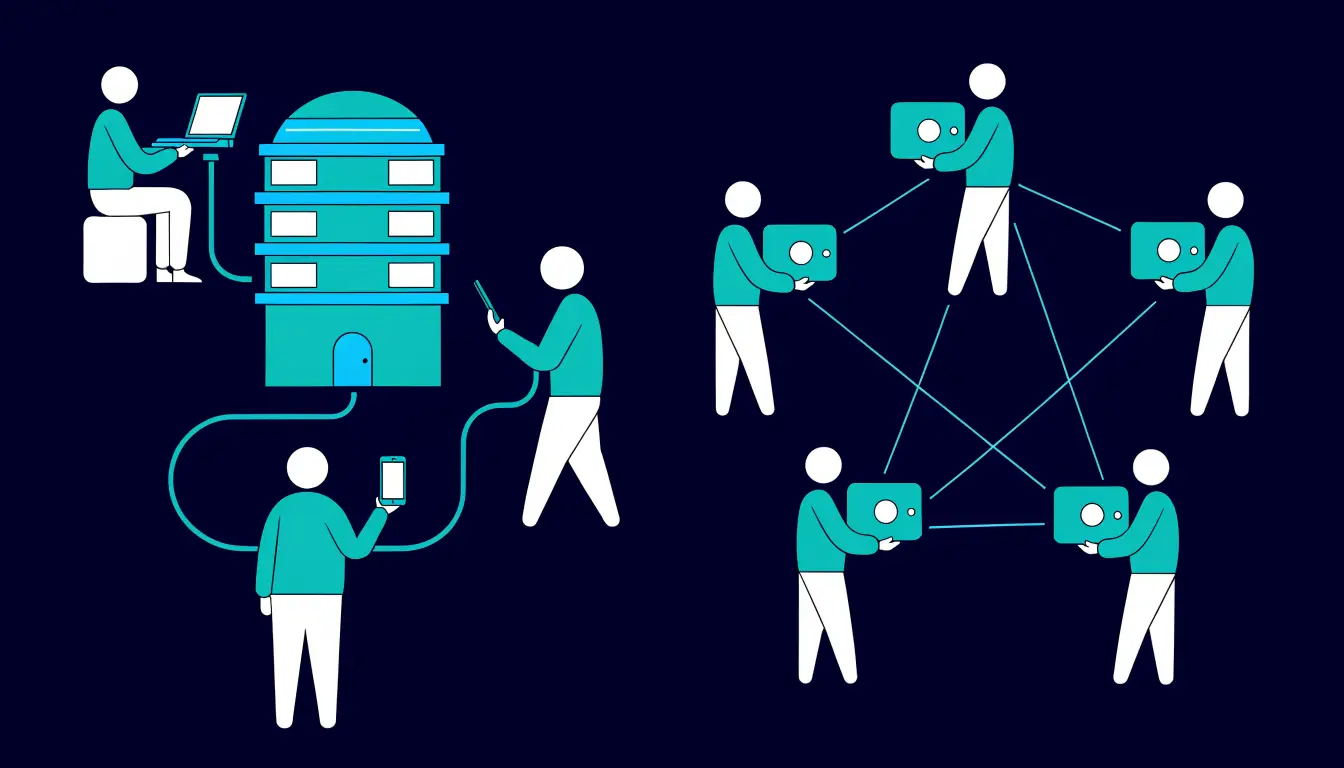
Staking only exists on blockchains that use a system called proof of stake. Proof of stake is the method these networks use to agree on which transactions are valid, without any central authority. Instead of powerful computers competing to solve puzzles (that is mining, used by Bitcoin), proof-of-stake networks pick who confirms the next block of transactions based partly on how much crypto is staked. Learn how the underlying record works in our guide to what a blockchain is.
Simple analogy: staking is like putting down a security deposit to become a trusted record-keeper for the network. Behave honestly and you earn rewards. Try to cheat and you can lose part of your deposit.
How does staking work?
On a proof-of-stake network, special participants called validators take turns proposing and checking new blocks of transactions. To become a validator, you must lock up — or "stake" — a set amount of the network's coin as collateral. The network then rewards validators with newly created coins and transaction fees for doing this job honestly.
Most beginners do not run a validator themselves. Instead, they delegate their coins — pointing them at a validator or pool that does the technical work — and share in the rewards. Here is the flow in plain steps:
- You lock up coins. You choose an amount to stake through an exchange, a wallet, or a staking service.
- Your coins help secure the network. They back a validator that confirms transactions.
- You earn rewards. The network pays out rewards regularly, usually in the same coin you staked.
- You unstake when you want out. Depending on the coin, there is often a waiting period before you can move the coins again (more on this below).

Your coins never leave the blockchain during staking — you are not "sending them away." You are committing them to a role, and your wallet keeps proving they are yours. This is why understanding how crypto wallets and keys work matters before you stake.
Types of staking
There is no single way to stake. The main options trade convenience for control. Here is a fair overview — no single platform is required for any of them.

| Method | What it is | Best for | Trade-off |
|---|---|---|---|
| Exchange staking | You stake in a few taps inside an exchange account. Major exchanges such as Bitget, Coinbase, Kraken, and Binance offer it. | Beginners who want the simplest start | Convenient, but the exchange holds your coins — "not your keys, not your coins" |
| Staking pools | Many people combine coins and delegate to a validator, sharing rewards | Smaller holders who want to stake from their own wallet | You keep more control, but must pick a reliable pool |
| Solo / native staking | You run your own validator directly on the network | Advanced users with the required minimum and technical skill | Most control and full rewards, but demanding and often a high minimum |
| Liquid staking | You stake and receive a token representing your staked coins, which you can still use elsewhere | Users who want rewards without locking funds away | Flexible, but adds smart-contract risk and complexity |
For most people reading this, exchange staking is the natural starting point because it is the easiest. As you learn more, staking from your own wallet gives you more control over your coins.
What rewards can you realistically expect?
Staking rewards are usually shown as an APY — the annual percentage yield, or roughly how much you would earn over a year. Different coins offer very different rates, and those rates change over time based on how many people are staking and how the network is set up.
Three honest points every beginner should understand:
- Rewards are not guaranteed and not fixed. A rate shown today can drop tomorrow. Treat any advertised APY as an estimate, not a promise.
- Rewards are paid in the same coin. If you stake a coin and its price falls 30%, the extra coins you earned may be worth far less than what you started with. A high APY does not protect you from a falling price.
- Fees reduce your rewards. Exchanges and pools usually take a cut. Check the fee before you commit.
Warning: a very high advertised return (for example, an unusually large percentage compared with everything else) is a classic red flag. If a "staking" offer promises fixed, guaranteed, or unrealistic returns, treat it as a possible scam. Learn the warning signs in our guide to common crypto scams.
The risks of staking
Staking can earn rewards, but it is not "free money." These are the real risks to weigh first:
- Price risk. The coin you stake can fall in value. This is usually the biggest risk, and rewards may not cover the loss. Understand crypto volatility before you begin.
- Lock-up and unstaking delays. Many networks make you wait — from hours to several weeks — before you can move unstaked coins. During that wait you cannot sell, even if the price is falling.
- Slashing. If the validator you back breaks the rules or goes offline too often, the network can take away ("slash") part of the staked amount. Choosing a reliable validator or pool reduces this risk.
- Platform and custodial risk. If you stake through an exchange or service, you are trusting that company. If it fails or freezes withdrawals, your coins could be affected.
- Smart-contract risk (liquid staking). Liquid staking relies on code that can contain bugs or be exploited.
None of this means staking is "bad" — it means you should stake only what you can afford to lock away and lose. Staking is not a savings account, and there is no deposit insurance behind it.
Tips and common mistakes
Helpful tips
- Start small. Stake a small amount first to learn how lock-up and rewards work before committing more.
- Check the unstaking period before you stake, so you are not surprised by a waiting time.
- Compare the real rate after fees, not just the headline APY.
- Turn on account security. If you stake on an exchange, protect the account — see how to set up 2FA.
Common mistakes to avoid
- Chasing the highest APY without asking why it is so high. Extreme rates often carry extreme risk.
- Staking money you may need soon and then being locked out during the unstaking period.
- Ignoring the coin's price. A reward means little if the coin's value drops further.
- Sharing your seed phrase with any "staking" site that asks for it — no legitimate service needs it. See what a seed phrase is.
How to start staking safely
If you decide staking is right for you, here is a careful, beginner-friendly path:
- Pick a proof-of-stake coin you understand and are comfortable holding for a while.
- Choose how to stake. For most beginners, staking inside a reputable exchange account is the simplest first step. Compare options in our guide to how to choose a crypto exchange.
- Read the terms. Note the reward rate, the fee, and the unstaking period.
- Stake a small amount first and watch how the rewards and lock-up actually work.
- Keep records. Staking rewards may be taxable where you live — see crypto taxes basics and keep a note of what you earn and when.
Frequently asked questions
Is staking safe?
Staking is generally lower-effort than active trading, but it is not risk-free. You can still lose money if the coin's price falls, if the validator is slashed, or if the platform you use fails. Stake only what you can afford to lock away and lose.
Can you lose money staking?
Yes. The most common way is the staked coin dropping in value. Less commonly, "slashing" can reduce your staked amount if the validator misbehaves, and a failed platform could put your coins at risk.
What is the difference between staking and mining?
Both add new blocks and release new coins, but mining uses powerful computers competing to solve puzzles (proof of work, used by Bitcoin), while staking uses locked-up coins to secure the network (proof of stake). See how new cryptocurrencies are created for a fuller comparison.
Is there a minimum amount to stake?
It depends on the method. Running your own validator often needs a large minimum, but staking through an exchange or a pool usually lets you start with a small amount.
Do you pay tax on staking rewards?
In many countries, staking rewards are taxable, often as income when received. Rules vary by country and this is not tax advice — check your local rules and keep good records.
Can you unstake at any time?
Not always instantly. Many networks have an unstaking or "unbonding" period, from a few hours to several weeks, during which your coins are locked and cannot be sold.
Summary
Staking lets you lock up proof-of-stake coins to help secure a network and earn rewards. It is simpler than active trading and can be a way to earn more of a coin you already hold — but rewards are not guaranteed, coins can fall in value, and lock-up periods and slashing are real. Start small, read the terms, and never stake money you might need soon.
Next step: if staking has you thinking about earning from crypto, read our honest guide to crypto passive income — including what is realistic and what to avoid.