What Is a DAO?

Key takeaways
- A DAO (decentralized autonomous organization) is a group run by rules written in software and by member votes, not by a boss or head office.
- Members usually hold a governance token that lets them make and vote on proposals. Votes are recorded on a blockchain.
- A DAO often controls a shared pot of money called a treasury, and code carries out decisions the members approve.
- DAOs are still experimental and risky: they face software bugs, "whale" voters with too much power, legal grey areas, scams, and slow decisions.
- This is not financial advice. If you explore a DAO, research it first and never put in more than you can afford to lose.
You may have heard the word "DAO" in crypto and wondered what it means. A DAO is a new way for a group of people to organize and make decisions together, using code and voting instead of a traditional company structure. It sounds futuristic, but the basic idea is simple once you break it down.
This guide explains what a DAO is, how one works, what DAOs are used for, and the real risks involved. It is written in plain English for beginners, and it is honest about the fact that DAOs are still an experiment.
Who this guide is for:
- Beginners who keep seeing "DAO" and want a clear explanation.
- People curious about how crypto communities govern themselves.
- Anyone weighing whether to join or fund a DAO and wanting to understand the risks first.
Many DAOs run on top of decentralized finance apps. If that term is new, start with our guide to what DeFi is, then come back here.
What is a DAO?
A DAO stands for decentralized autonomous organization. In plain terms, it is a group of people who run something together using rules written in software and votes cast by members. There is no chief executive and no head office making the calls. The members are in charge as a group.
Let's unpack the name one word at a time. Decentralized means no single person or company is in control; power is spread across the members. Autonomous means many of the rules run by themselves in code, so decisions are carried out automatically once members approve them. Organization means it is simply a group working toward a shared goal, like a club, a fund, or a project.
The rules of a DAO usually live in a smart contract — a small program on a blockchain that runs exactly as written and cannot be quietly changed. Because the rules are public and automatic, members can see how decisions are made and trust that the code will follow them. If you want the wider picture of the technology underneath, see our guide to what a blockchain is.
Simple analogy: think of a DAO as a members' club where the rulebook is a computer program. Instead of a committee deciding behind closed doors, everyone votes, and the program carries out whatever wins.
How a DAO works
Most DAOs follow the same basic pattern. It comes down to four parts: tokens, proposals, voting, and a treasury.

- Governance tokens. Members usually hold a special crypto token that represents a share of voting power. The more tokens you hold, the more weight your vote carries in most DAOs.
- Proposals. A member suggests a change or action — for example, "spend part of the treasury on this project" or "update this rule." That suggestion is called a proposal.
- On-chain voting. Token holders vote yes or no. The votes are recorded on a blockchain, so they are public and hard to fake. If enough members approve, the proposal passes.
- A shared treasury. Many DAOs hold a common pool of crypto, the treasury. When a spending proposal passes, the smart contract can release the funds automatically, without needing a bank or a manager to sign off.
A lot of this runs on the Ethereum network, because Ethereum was built to run smart contracts like these. To understand the platform many DAOs are built on, see our guide to what Ethereum is. The governance token itself is a token rather than a coin — a useful distinction to know early.
Put together, the flow is: someone makes a proposal, members vote with their tokens, and if it passes, the code carries it out. No single person has to be trusted to act fairly, because the process is open for everyone to check.
What DAOs are used for
DAOs are used for many different goals. They are really just a shared way to organize, so the same structure can run very different projects. Here are the most common types.
- Running protocols. Many DeFi apps and other crypto projects are governed by a DAO. Token holders vote on things like fees, features, and upgrades, so the community steers the product rather than one company.
- Investment clubs. Some DAOs pool members' money to invest together, a bit like a shared fund. The group votes on what to buy or back, and profits or losses are shared. This carries real risk of loss.
- Communities and social groups. Some DAOs are built around a shared interest, cause, or membership. The token acts like a membership card, and members vote on how the group spends its time and money.
- Grants and funding. Some DAOs exist to hand out money to useful projects. Members propose who should receive a grant, then vote, and the treasury pays out the winners.
The common thread is group control. Whatever the goal, a DAO lets a crowd of people make decisions and manage shared money together, without a boss in the middle.
The risks and limits of DAOs
DAOs are an exciting idea, but they are still experimental. Being honest about the downsides matters more than the hype. Here are the main risks and limits to understand.

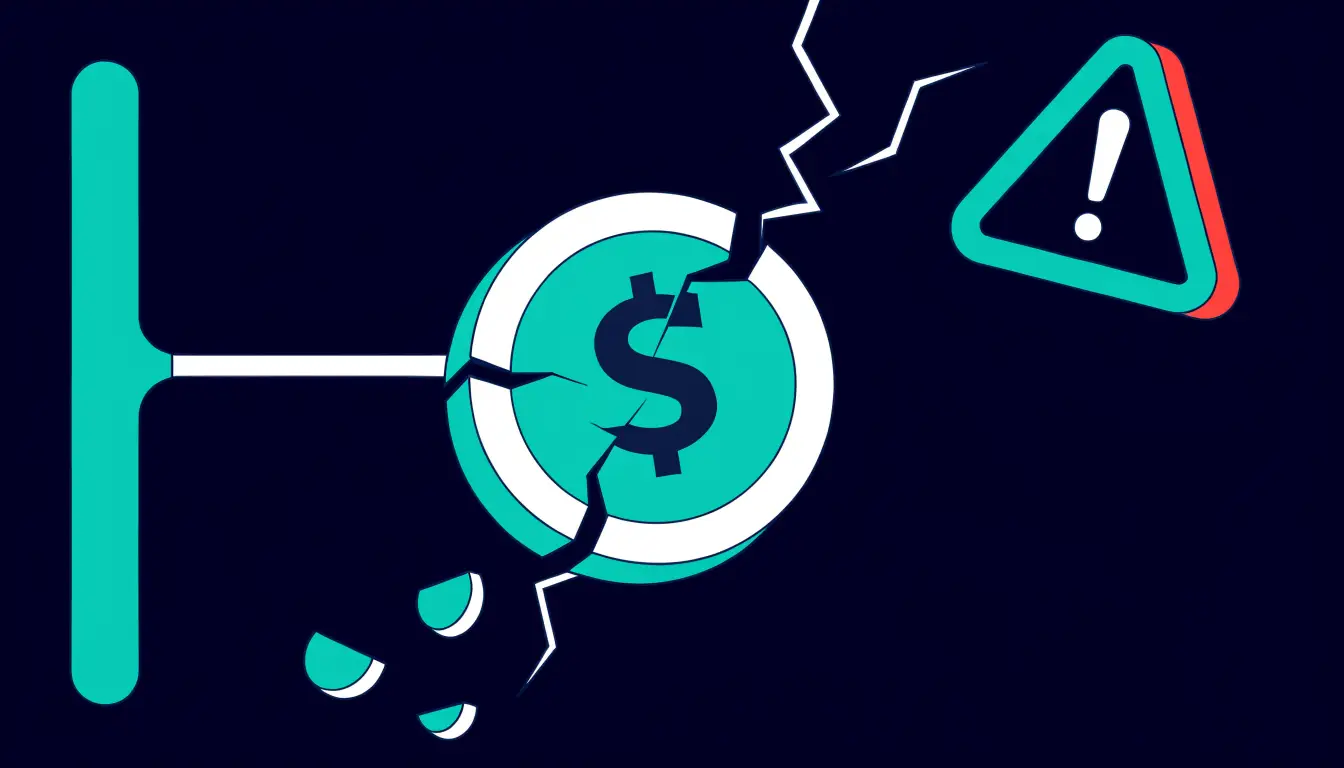
- Smart-contract bugs. A DAO's rules are code, and code can have mistakes. If there is a bug, attackers may be able to drain the treasury. This has happened before and led to large losses.
- Governance attacks and whale control. Because votes often follow token holdings, someone who buys or borrows a huge number of tokens — a "whale" — can push through decisions that suit them and harm everyone else.
- Legal uncertainty. The law has not fully caught up with DAOs. In many places it is unclear who is responsible if things go wrong, or how members are taxed. That grey area is a real risk.
- Scams. Not every project calling itself a DAO is honest. Some are set up to take your money and disappear. Learn the warning signs in our guide to common crypto scams.
- Slow decisions. Voting takes time, and getting a crowd to agree is hard. A DAO can be slower and messier than a normal company when a fast decision is needed.
Warning: a governance token can lose value quickly, and a DAO's treasury can be drained by a bug or attack. Treat any money you put into a DAO as money you could lose entirely. Many DAOs are built on DeFi, which is powerful but unforgiving of mistakes.
Should a beginner get involved?
There is no single right answer, and this is not financial advice. Whether to join a DAO depends on your goals, your knowledge, and how much risk you can handle. What matters is going in with your eyes open.
If you are curious, the safest way to start is to learn, not to spend. Many DAOs let you read their proposals and watch votes happen without putting in any money. That is a good way to see how a DAO really behaves before you commit anything.
- Understand that it is experimental. DAOs are new and unproven. Do not assume a DAO is safe just because it is popular or looks polished.
- Research first. Read the DAO's rules, look at its track record, and check who is behind it. If you cannot understand how it works, that is a reason to wait.
- Only risk money you can afford to lose. Never put in rent, savings, or borrowed money. Treat any amount as money that could go to zero.
Being cautious is not being left behind. The reader who understands the risks is in a far stronger position than the one who rushes in.
Tips and common mistakes
Helpful tips
- Read before you buy. Look at a DAO's real proposals and votes first. How it actually behaves tells you more than its marketing does.
- Check who holds the tokens. If a few wallets control most of the votes, the DAO is not as decentralized as it sounds.
- Look for audits. A DAO whose smart contracts have been checked by outside security experts is generally safer than one that has not been reviewed.
- Start small. If you do take part, begin with a tiny amount while you learn how the DAO works.
Common mistakes to avoid
- Assuming "DAO" means safe. The label does not guarantee honesty or good code. Some scams use the word "DAO" on purpose.
- Ignoring whale control. Not checking how voting power is spread can leave you in a DAO that one big holder really runs.
- Chasing hype. Putting money in because a token is "going up" or because of social media buzz, rather than because you understand the project.
- Risking money you need. Treating a DAO like a savings account. A governance token can fall sharply or become worthless.
Frequently asked questions
What is a DAO in crypto?
A DAO is a decentralized autonomous organization: a group that runs itself using rules written in software and votes cast by its members, instead of a boss or company. It usually manages a shared pot of crypto and makes decisions as a group.
How does a DAO make decisions?
Members make proposals, then vote on them. The votes are recorded on a blockchain, so they are public and hard to fake. If enough members approve, a smart contract carries out the decision automatically.
What is a governance token?
A governance token is a crypto token that gives you voting power in a DAO. In most DAOs, the more tokens you hold, the more weight your vote carries when proposals are decided.
Are DAOs safe?
DAOs are still experimental and carry real risks, including software bugs, control by large token holders, legal grey areas, and scams. No DAO is guaranteed to be safe, so research carefully and never risk money you cannot afford to lose.
Can a DAO be hacked?
Yes. Because a DAO runs on code, a bug in its smart contracts can let attackers drain the treasury. This has happened before and led to large losses, which is why outside security audits matter.
Summary
A DAO is a decentralized autonomous organization: a group run by rules in code and by member votes, not by a boss. Members hold governance tokens, make and vote on proposals, and a shared treasury acts on the results. DAOs are used to run protocols, pool investments, build communities, and give out grants. They are also experimental and risky, facing bugs, whale control, legal uncertainty, scams, and slow decisions, so research first and only risk money you can afford to lose.
Next step: since most DAOs live on top of DeFi, build your foundation with our guide to what DeFi is.