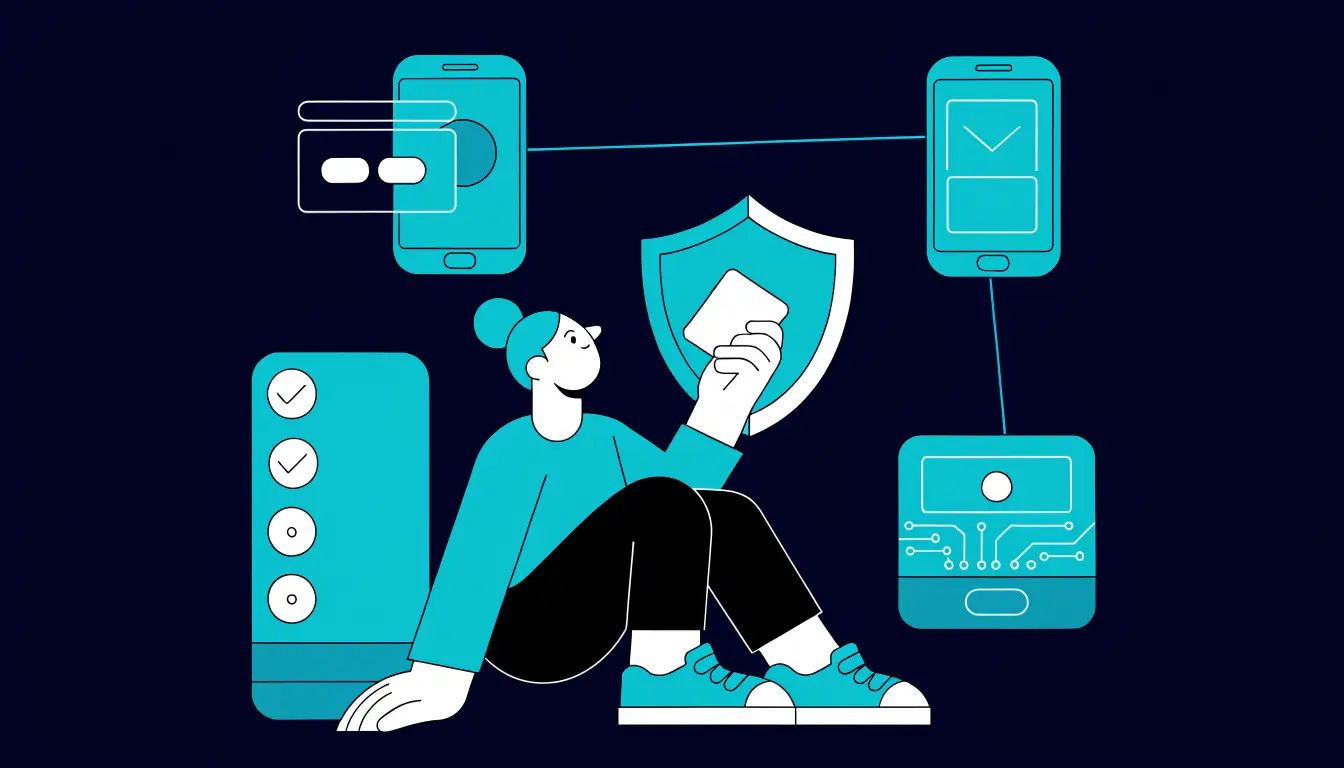
What Is a Crypto Airdrop and How to Stay Safe?

Key takeaways
- A crypto airdrop is free tokens a project sends to people's wallets to promote itself or reward early users.
- Airdrops can be genuine, but many are scams designed to steal your crypto or personal details.
- Never share your seed phrase or private keys to "claim" an airdrop. No real airdrop needs them.
- Be very cautious about connecting your wallet to a site you found through an airdrop link. A fake claim page can drain your funds.
- For most beginners, airdrop rewards are small and often not worth the risk — it is fine to skip them.
"Free crypto" sounds great — and that is exactly why airdrops get so much attention. An airdrop is when a project gives away free tokens by sending them straight to people's wallets. Some are a real marketing effort by a genuine project. Many others are bait set up by scammers.
This guide explains what a crypto airdrop is, how airdrops work, and why so many of them are scams. Most importantly, it shows you how to stay safe if you ever decide to take part. It is written in plain English for beginners, and it is not financial advice.
Who this guide is for:
- Beginners who keep seeing "claim your free airdrop" messages and want to know if they are real.
- Anyone who has been offered free tokens and is not sure whether it is safe.
- People who want a clear, safety-first way to think about airdrops before touching one.
New to crypto entirely? Start with our beginner guide to what cryptocurrency is, then come back here.
What is a crypto airdrop?
A crypto airdrop is when a project distributes free tokens to many wallets at once, usually to promote itself or to reward its early community. Instead of selling the tokens, the project simply gives some away — the "drop" lands in your wallet, or you claim it from an official page.
The idea is a bit like a shop handing out free samples. The project hopes that once people hold its token, they will use it, talk about it, and help the project grow. A token is a unit of a crypto project, similar to a coin. If the words wallet and token are new to you, our guide to what a crypto wallet is explains the basics.
Simple analogy: a genuine airdrop is like a free sample in a supermarket — no cost, no strings. The problem is that scammers set up fake "sample stands" too, and theirs are designed to rob you.
How airdrops work
Airdrops vary, but a genuine one usually follows a similar pattern. Here is what tends to happen and why.

Who qualifies. Projects pick who gets the tokens. Common rules include holding a certain coin, having used an app before a set date, joining the community, or completing a small task. Sometimes there is no task at all — the project simply sends tokens to wallets that were active on a network.
How the tokens arrive. In many cases the tokens just appear in your wallet with no action needed. In others, you visit the project's official site and "claim" your tokens, which records them to your address. Claiming may cost a small network fee, paid in the blockchain's own coin.
Why projects do it. Airdrops are marketing. Giving tokens away spreads the word, rewards loyal early users, and puts the token in many hands at once, which can make a network look more active. That is a real reason a genuine project might run one — but it is also the exact story a scammer will copy to lower your guard.
The big risk: airdrop scams
This is the part that matters most. "Free crypto" is one of the most common hooks scammers use, because the promise of something for nothing makes people rush and skip their usual caution. Before you touch any airdrop, know the traps.

Warning: Treat every unexpected offer of free crypto as a scam until you have proven otherwise. It is far easier to lose money to a fake airdrop than to make money from a real one.
Here are the most common airdrop scams:
- Fake claim sites that drain wallets. A scam page tells you to connect your wallet and approve a transaction to "claim" tokens. That approval can hand over permission to move your crypto out — and your funds vanish.
- Phishing for your seed phrase. A fake site or message asks you to "verify" or "unlock" your wallet by typing your seed phrase or private key. Anyone who gets it can empty your wallet instantly. Learn the signs in our guide on how to spot crypto phishing.
- Malicious token approvals. Some airdrops trick you into signing an approval that gives a stranger's contract ongoing access to your tokens. Nothing looks wrong at first, then your balance disappears later.
- "Dust" scam tokens. Random unknown tokens sometimes appear in your wallet without warning. Interacting with them — trying to sell or swap them — can send you to a malicious contract. The safest move is to ignore them completely.
Airdrop scams are just one flavour of a much bigger problem. See our roundup of common crypto scams so you can recognise the same tricks in other forms.
How to stay safe with airdrops
If you do decide to take part in an airdrop, these habits protect you. The goal is simple: never put your main funds or your seed phrase within reach of a stranger.
- Use a separate "burner" wallet. Set up a fresh wallet that holds little or nothing, and use only that one for airdrops. If it gets compromised, your main savings stay safe.
- Never enter your seed phrase. No real airdrop ever needs your seed phrase or private key. A page that asks for it is a scam — close it at once.
- Verify the official source. Find the project's real website and channels yourself, rather than clicking a link from a message or reply. Scammers copy real project names, logos, and pages closely.
- Do not interact with unknown tokens. If a token you never asked for shows up, leave it alone. Do not try to sell, swap, or "claim" more of it.
- Revoke old approvals. Every so often, review and cancel the permissions you have granted to apps and contracts, so a forgotten approval can not be used against you later.
- Be very cautious connecting your wallet. Connecting to an unknown site, then approving a transaction, is how most airdrop losses happen. When in doubt, do not connect.
Fake sites and cloned apps are a big part of how these scams reach you. Our guide to fake crypto apps and websites shows how to tell a real one from a copy.
Are airdrops worth it?
Here is our honest take. For most beginners, airdrops are not worth chasing. The rewards are usually small, and many "airdrops" you will run into are scams rather than real giveaways. The time and risk rarely pay off.
A few genuine airdrops have handed out meaningful amounts, and stories like those are why so many people go looking. But those are the exception, not the rule, and you can not know in advance which is which. This is not a reliable way to make money, and no one can promise you a profit from it.
If you are curious, treat an airdrop as a low-stakes experiment: use a burner wallet, expect nothing, and never risk funds you can not afford to lose. If that sounds like more effort than it is worth, it is perfectly sensible to skip airdrops entirely.
Tips and common mistakes
Helpful tips
- Slow down. Scammers rely on urgency ("claim in the next hour"). A real opportunity survives a few minutes of checking.
- Keep a burner wallet for anything experimental, so your main holdings are never exposed.
- Assume unsolicited offers are fake. If you did not go looking for it, be extra suspicious.
- Check what you are signing. If your wallet warns you about a permission or approval, stop and read it.
Common mistakes to avoid
- Typing your seed phrase into a website. This is the single fastest way to lose everything. No airdrop needs it.
- Connecting your main wallet to an airdrop site instead of a burner.
- Interacting with random "dust" tokens that appear on their own.
- Trusting a link from a message, reply, or ad instead of finding the official site yourself.
Frequently asked questions
What is a crypto airdrop?
A crypto airdrop is when a project gives away free tokens by sending them to people's wallets, usually to promote the project or reward early users. Some airdrops are genuine, but many are scams.
Are airdrops free money?
Not really. A genuine airdrop may give you tokens at no cost, but the value is often small and never guaranteed. Many "free" airdrops are traps designed to take your crypto, so treat the idea of free money with caution.
Are airdrops safe?
Some are, but plenty are not. The biggest risks are fake claim pages that drain your wallet and phishing that steals your seed phrase. If you take part, use a burner wallet and never share your seed phrase.
Should I connect my wallet to claim an airdrop?
Be very cautious. Connecting your wallet and approving a transaction on an unknown site is how most airdrop losses happen. Only connect if you have verified the official source yourself, and prefer a burner wallet that holds little or nothing.
What are dust or scam tokens?
Dust tokens are tiny, unknown tokens that appear in your wallet without you asking. They are often bait — interacting with them can send you to a malicious contract. The safest response is to ignore them and never try to sell or swap them.
Summary
A crypto airdrop is free tokens a project sends to wallets to promote itself or reward users. Some are real, but many are scams built to drain your funds or steal your seed phrase. Never share your seed phrase, be very cautious about connecting your wallet, and ignore unknown "dust" tokens. For most beginners, airdrops are small and often not worth the risk.
Next step: learn the wider tricks scammers use so you can spot them anywhere — read our guide to common crypto scams.