What Are Altcoins?

Key takeaways
- An altcoin is any cryptocurrency that is not Bitcoin. The name is short for "alternative coin."
- There are thousands of altcoins, and they vary hugely in purpose, quality, and risk.
- Common types include payment coins, smart-contract platforms (like Ethereum), stablecoins, utility tokens, and meme coins.
- Altcoins are generally higher-risk than Bitcoin. They tend to be smaller, newer, more volatile, and more prone to scams, and many fail completely.
- This is education, not financial advice. Do your own research and never invest more than you can afford to lose.
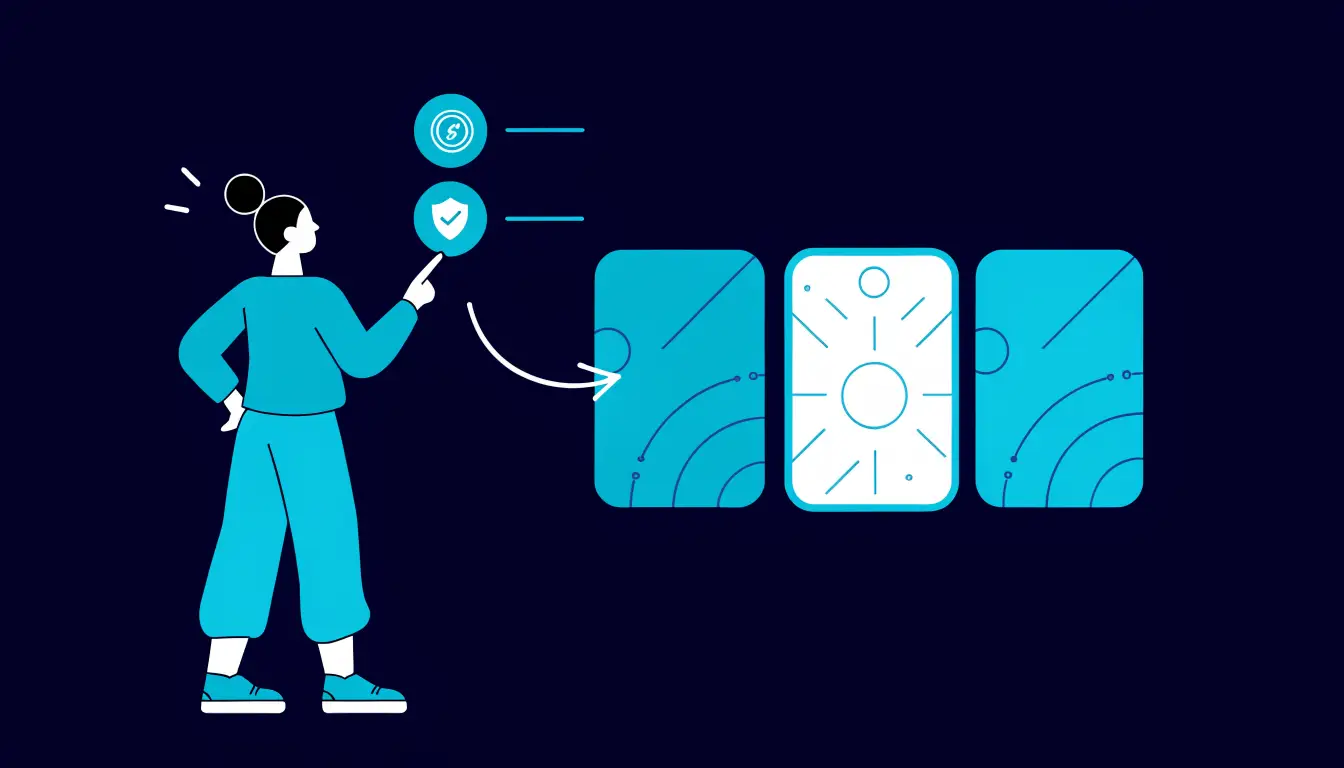
Once you learn about Bitcoin, you quickly notice there are thousands of other coins with names you have never heard of. Nearly all of them share one label: altcoins. The word simply means any cryptocurrency that is not Bitcoin.
This guide explains what altcoins are, the main types you will run into, how they differ from Bitcoin, and — importantly — the extra risks that come with them. It is written in plain English for beginners. New to crypto in general? Start with our guide to what cryptocurrency is, then come back here.
Who this guide is for:
- Beginners who keep seeing coin names beyond Bitcoin and want to know what they are.
- Anyone trying to understand how altcoins differ from Bitcoin before deciding anything.
- People who want a clear, honest look at the risks as well as the ideas.
What is an altcoin?
An altcoin is any cryptocurrency other than Bitcoin. The word is a blend of "alt" (short for alternative) and "coin" — so an altcoin is literally an alternative to Bitcoin.
Bitcoin was the first cryptocurrency, launched in 2009. Every coin that came after it is grouped under the altcoin umbrella. That is a very wide net: it covers well-known projects with large communities as well as tiny coins that were created last week and may disappear just as fast.
Because "altcoin" only tells you what a coin is not (it is not Bitcoin), the label says nothing about quality. Some altcoins are serious, long-running projects. Many others are experiments, copies, or outright scams. Treat the word as a starting point, not a stamp of approval.
Quick note: you may also hear the term "token." A token is a type of crypto asset that runs on another coin's network rather than its own. Not all altcoins are tokens — see coins vs tokens for the difference.
Altcoins vs Bitcoin
Bitcoin came first, and it plays a special role. Many people treat it as "digital gold" — a scarce asset meant mainly to store value over the long term. Its network is the oldest, the largest, and the most tested, which is why it is often seen as the most established cryptocurrency. If you want the full picture, read our guide to what Bitcoin is.
Altcoins, by contrast, do not share one single purpose. Each project sets out to do its own thing. Some try to move money faster or cheaper than Bitcoin. Others are built to run apps, power games, or hold a steady price. This variety is what makes altcoins interesting — and also what makes them harder to judge.

Here is the key takeaway: Bitcoin is one asset with a long track record, while "altcoins" is a broad category covering thousands of very different projects. Comparing "altcoins" to Bitcoin as if they were two equal things can be misleading — the real question is always which specific altcoin you are looking at, and what it actually does.
Main types of altcoins
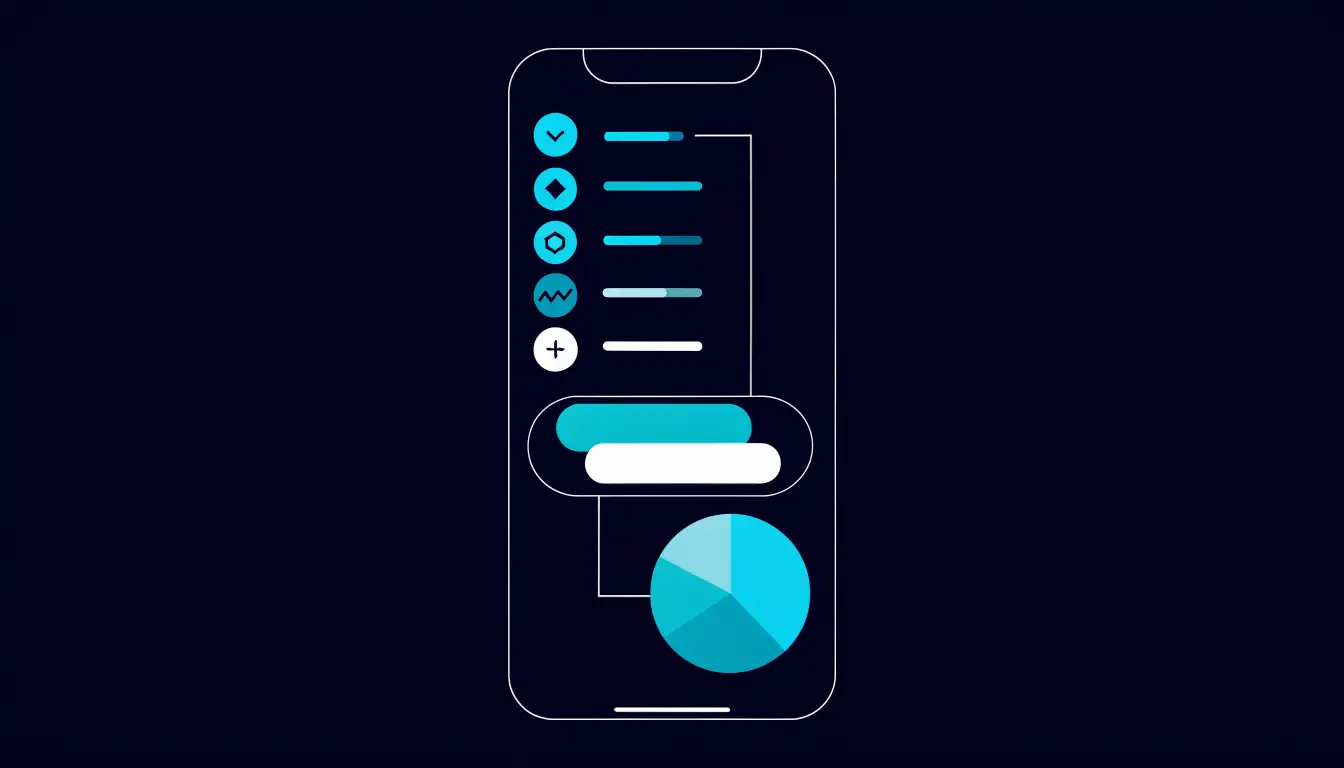
Altcoins are easier to understand once you sort them into groups by what they are built to do. Here are the most common types you will meet.

| Type | What it is for | Example idea |
|---|---|---|
| Payment coins | Sending money quickly or cheaply, as an alternative to Bitcoin for payments | Coins focused on fast, low-cost transfers |
| Smart-contract platforms | Running apps and programs on a blockchain, not just moving money | Ethereum and similar networks |
| Stablecoins | Holding a steady value, usually pegged to a currency like the US dollar | See what stablecoins are |
| Utility tokens | Giving access to a specific service, app, or platform feature | Tokens used inside one project's ecosystem |
| Meme coins | Started as jokes or around a community; often driven by hype | Coins based on internet memes |
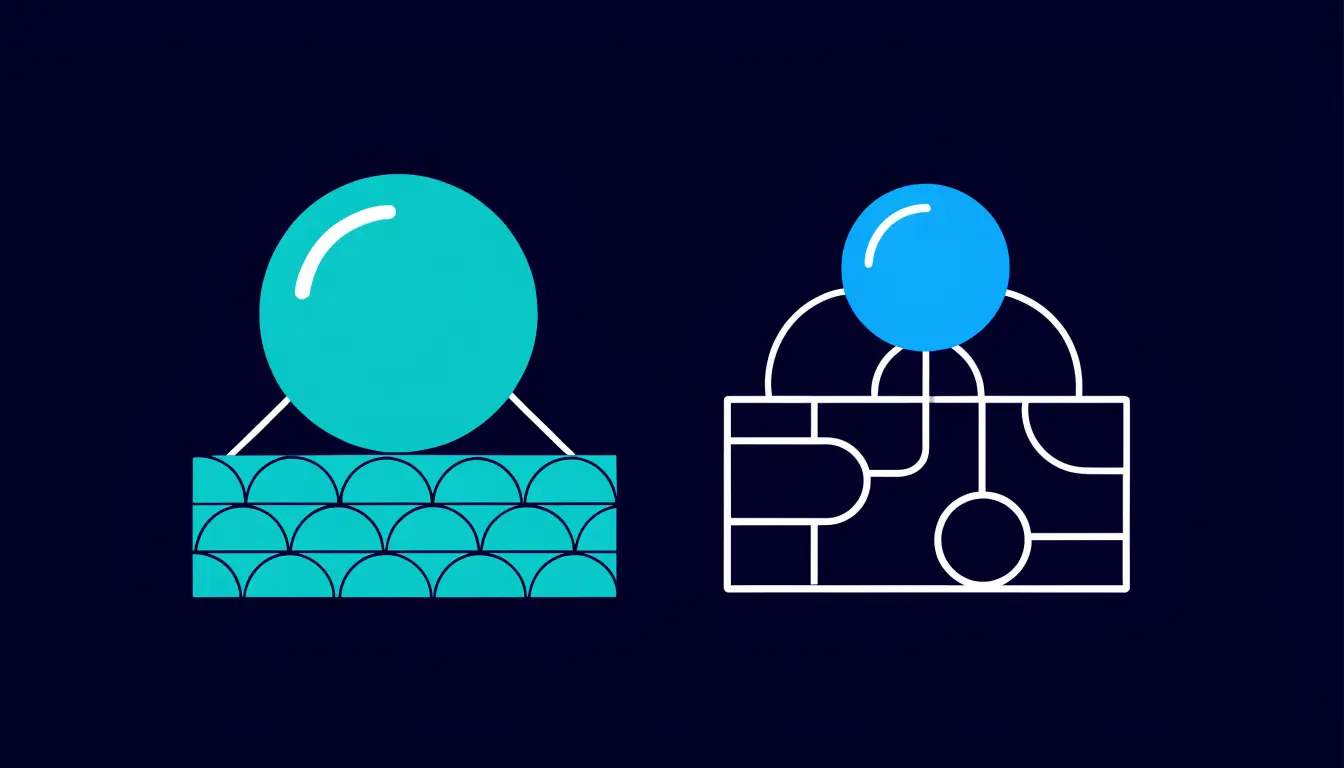
Smart-contract platforms are worth a special mention. A smart contract is a small program that runs automatically on a blockchain when its conditions are met. Ethereum was the first big platform for these, and it opened the door to a whole world of apps built on crypto. Note that many of these assets are tokens rather than coins — again, our coins vs tokens guide untangles that.
Meme coins sit at the opposite end. They are usually created for fun or community and often have no real use behind them. Some have become very popular, but their prices can swing wildly on hype alone, which makes them especially risky.
Why altcoins are riskier
Altcoins can be exciting, but as a group they carry more risk than Bitcoin. It helps to understand why before you go near them.
- Smaller and newer. Most altcoins have far fewer users, less funding, and a shorter track record than Bitcoin. Younger projects are less tested and more likely to run into problems.
- More volatile. Smaller coins can jump or crash much faster than Bitcoin. A price can double or halve in days, which cuts both ways.
- More scams and rug pulls. The low cost of creating a new coin attracts bad actors. Some projects exist only to take people's money.
- Many simply fail. A large share of altcoins launched over the years are now worthless or abandoned. Being listed somewhere is no guarantee a project will last.
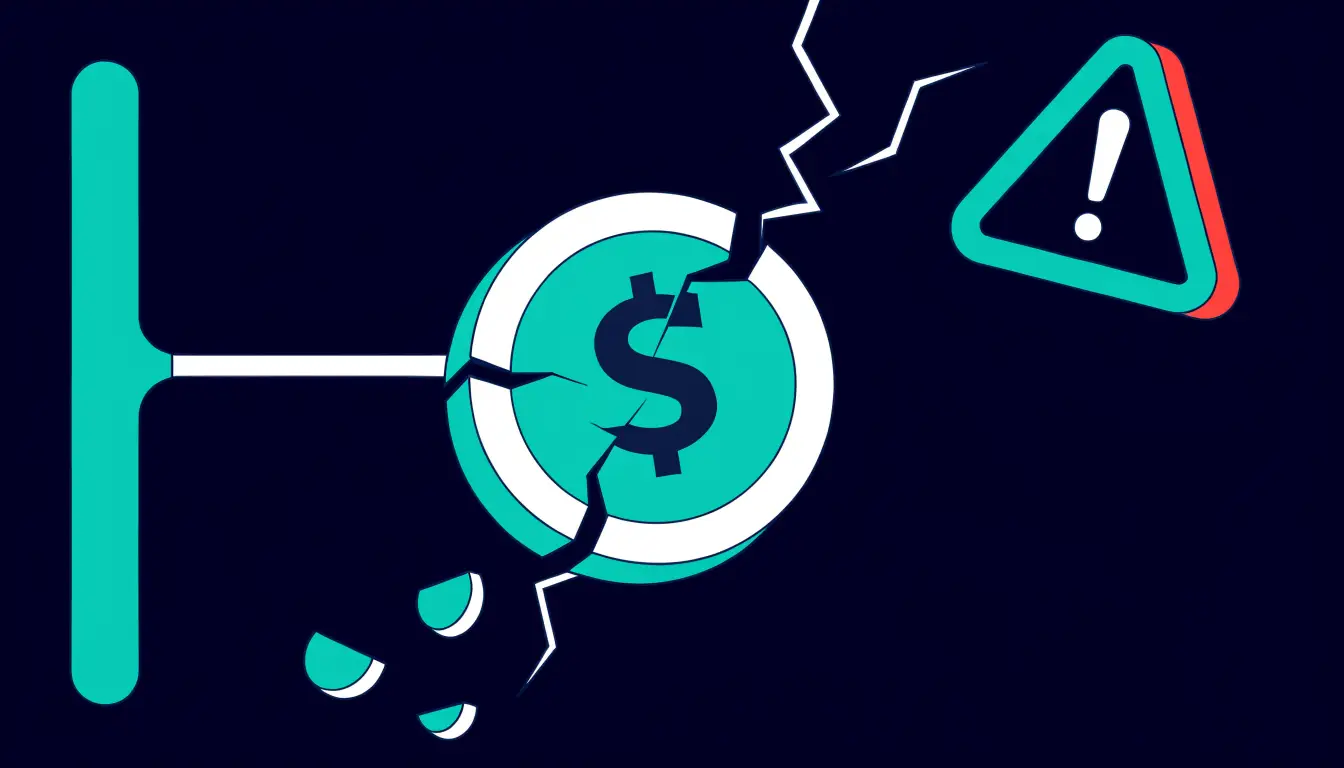
Warning: altcoins are a favourite target for fraud. A rug pull is when a project's creators hype a coin, take in buyers' money, then vanish and leave the coin worthless. Learn the warning signs in our guides to common crypto scams and what a rug pull is. This article is education only, not financial advice, and is not a suggestion to buy any coin.
How to research an altcoin (basics)
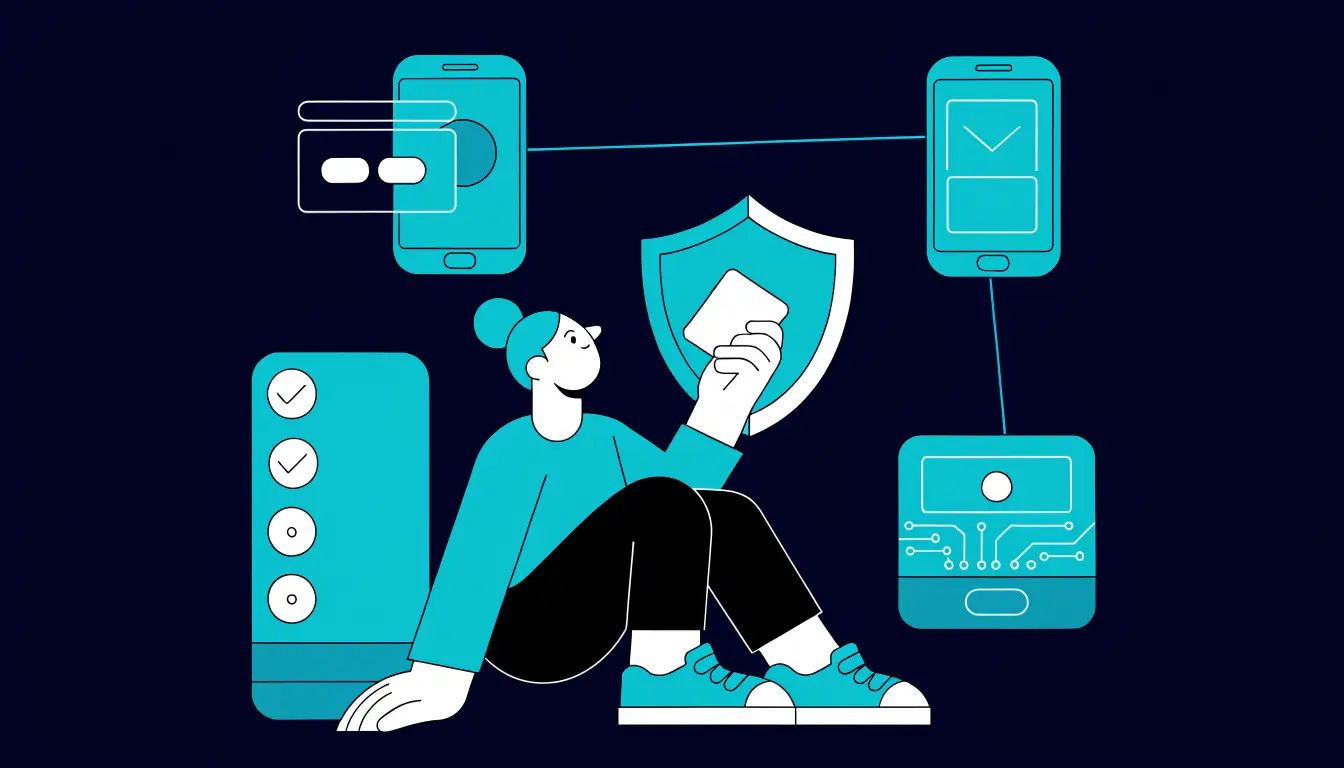
If you want to understand a particular altcoin, a few basic checks can help you separate serious projects from empty hype. This is not advice to buy anything — it is simply how to look before you leap.
- The team. Who is behind the project? Are they public and accountable, or completely anonymous? A hidden team is not proof of a scam, but it removes a layer of trust.
- The use-case. What real problem does the coin solve, and does that reason make sense? If you cannot explain what it is for in one sentence, that is a red flag.
- Liquidity. Is the coin traded in reasonable volume, or is it tiny and thinly traded? Very low liquidity can make it hard to sell and easy to manipulate.
- Independent reviews. What do neutral, reputable sources say — not just the project's own website or paid promoters? Be wary of anything that only ever gets glowing praise.
No amount of research removes risk, and past performance never predicts the future. Treat any single source with healthy doubt, and remember that hype is not information.
Tips and common mistakes
Helpful tips
- Learn Bitcoin first. It is the anchor of the whole market, and understanding it makes altcoins easier to judge.
- Understand what a coin does before anything else. If the purpose is not clear, stop there.
- Assume higher risk with any altcoin, especially small or new ones, and size your interest accordingly.
- Use reputable sources and cross-check claims. Never rely on a single influencer or the project's own marketing.
Common mistakes to avoid
- Chasing hype. Buying a coin only because it is "going up" or trending is how many people lose money.
- Assuming a big number of coins means it is cheap. A low price per coin does not make a project good value.
- Ignoring the risk of total loss. Many altcoins go to zero. Never put in money you cannot afford to lose.
- Skipping the scam checks. Anonymous teams, guaranteed returns, and pressure to buy fast are classic warning signs.
Frequently asked questions
What is an altcoin?
An altcoin is any cryptocurrency that is not Bitcoin. The name is short for "alternative coin." There are thousands of them, and they range from serious, long-running projects to jokes and scams.
Are altcoins a good investment?
We cannot say — this is education, not financial advice. What is fair to say is that altcoins are generally higher-risk than Bitcoin, many fail completely, and prices can swing sharply. Do your own research and never invest more than you can afford to lose.
Is Ethereum an altcoin?
Yes. Because "altcoin" means any cryptocurrency other than Bitcoin, Ethereum counts as one. It is a smart-contract platform and one of the largest and best-known altcoins.
Why are altcoins so volatile?
Most altcoins are smaller and newer than Bitcoin, with fewer buyers and sellers. In a smaller market, a single large trade or a wave of hype can move the price a lot, so values can rise and fall very quickly.
Are altcoins safe?
No cryptocurrency is "safe" in the sense of guaranteed, and altcoins carry extra risk. They face more scams, more volatility, and a higher failure rate than Bitcoin. Research carefully, watch for warning signs, and only risk money you can afford to lose.
Summary
An altcoin is any cryptocurrency that is not Bitcoin, and the label covers thousands of very different projects — payment coins, smart-contract platforms, stablecoins, utility tokens, and meme coins. They can be interesting, but as a group they are higher-risk than Bitcoin: smaller, newer, more volatile, more prone to scams, and many fail. Understand what a coin does, check it carefully, and never invest more than you can afford to lose.
Next step: still unsure how coins and tokens relate? Read our clear explainer on coins vs tokens.