Spot vs Futures Trading Explained

Key takeaways
- Spot trading means you buy and own the actual crypto. You can hold it, move it, or use it whenever you like.
- Futures trading is a contract that bets on a coin's price, usually with leverage. You do not own the coin.
- Futures are high-risk. Leverage can wipe out your money fast, and you can lose more than you put in.
- Spot is simpler and safer for beginners. The most you can lose is what you paid for the coin.
- Most retail futures traders lose money. Most beginners should avoid futures until they have real experience and strict risk control.
When you first look at a crypto exchange, you will often see two tabs: spot and futures. They look similar, but they are very different ways to trade. One means you actually own the coin. The other means you are betting on its price with borrowed money.
This guide explains what spot and futures trading are, how they compare, and why futures carry far more risk. It is written in plain English for beginners, and it is not financial advice.
Who this guide is for:
- Beginners who keep seeing "spot" and "futures" and want to know the difference.
- Anyone tempted by the big numbers in futures who wants to understand the risk first.
- People who want a clear, safety-first way to decide where to start.
Brand new to buying crypto at all? Start with our step-by-step guide on how to buy cryptocurrency, then come back here.
What is spot trading?
Spot trading means buying or selling crypto for its current price and taking ownership of the actual coin. If you buy 0.1 Bitcoin on the spot market, that Bitcoin is yours. You can hold it, move it to your own wallet, send it to someone, or sell it later.
The word "spot" simply means the trade settles "on the spot" at today's price. There is no borrowing and no contract. You pay with the money in your account, and you get the coin in return.
The key point for safety is this: with spot trading, the most you can lose is what you paid. If a coin's price falls to zero (which is rare but possible), you lose your money, but never more than you put in. There is no surprise bill at the end.
Simple analogy: spot trading is like buying gold coins and keeping them in a drawer. Their value goes up and down, but they are yours, and you can never owe more than you spent.
What is futures trading?
Futures trading is a way to bet on the price of a coin without owning it. Instead of buying the coin, you open a contract that gains or loses value as the price moves. If you bet the price will rise and it does, you profit. If it moves against you, you lose.
Most crypto futures use leverage, which means trading with borrowed money. Leverage lets you control a large position with a small deposit, called margin. For example, 10x leverage means a 100 USDT deposit controls a 1,000 USDT position. To understand this properly, read our guide to what leverage is in crypto before you go any further.
Because you never take the coin, futures are not for holding or spending. They are a short-term tool for betting on price, and the leverage that makes the gains look big makes the losses just as big.

Spot vs futures: side by side
Here is a fair, plain comparison of the two.
| Spot trading | Futures trading | |
|---|---|---|
| Ownership | You own the actual coin | You own a contract, not the coin |
| Leverage | None (you pay in full) | Yes, often high (borrowed money) |
| Risk | Limited to what you paid | Very high — can exceed your deposit |
| Complexity | Simple — buy, hold, sell | Complex — margin, liquidation, funding |
| Best for | Beginners, long-term holders | Experienced traders with strict risk control |
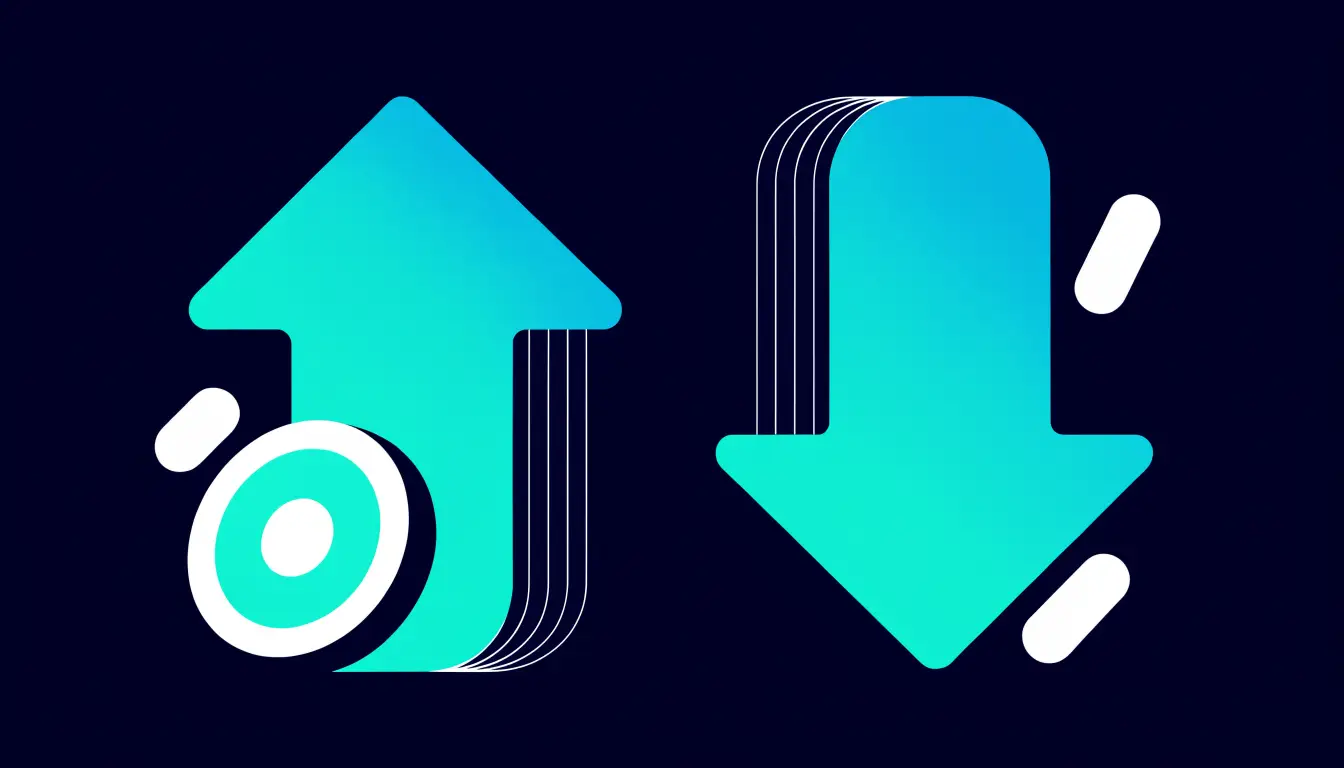
The short version: spot is about owning something, while futures is about betting on a price. That single difference is what makes futures so much riskier.
Why futures are much riskier
Futures are not just "spot with bigger numbers." The leverage changes how the risk works, and it can turn a small price move into a total loss. Here is why futures deserve real caution.
- Leverage amplifies losses. At 10x leverage, a 10% move against you wipes out your entire deposit. The higher the leverage, the smaller the move needed to lose everything.
- Liquidation can erase your margin. If the price moves too far against you, the exchange automatically closes your position to stop further loss. This is called liquidation, and it can happen in seconds, taking your whole deposit with it.
- Funding costs add up. Perpetual futures charge a recurring fee called a funding rate, paid between traders. Hold a position for a while and these costs quietly eat into your money, win or lose.
- You can lose more than you deposit. In fast-moving or thin markets, a position can close below zero before liquidation catches it, leaving you owing more than you put in.

Warning: Futures trading is high-risk and is not suitable for most beginners. Studies of retail traders consistently show that most people who trade leveraged products lose money. With leverage you can lose your entire deposit — and sometimes more than you put in. Never trade more than you can afford to lose. Learn to protect yourself first with our guide to risk management for beginners.
Which is right for a beginner?
For almost every beginner, the answer is spot. It is simpler, the risk is limited to what you pay, and it lets you learn how the market moves without the pressure of leverage and liquidation.
Spot trading gives you time to understand the basics: how prices swing, how to place an order, and how it feels to hold through ups and downs. None of that carries the risk of a sudden wipe-out. If a coin falls, you can simply wait; you are never forced out of your position.
Futures need experience and strict risk control — position sizing, stop-losses, and a clear plan for every trade. Even then, they remain high-risk. Because most retail futures traders lose money, most beginners should avoid futures entirely until they have spent real time on spot and understand exactly what they would be risking.
Our view: we think spot is the sensible starting point for beginners because the downside is capped and the mechanics are easy to grasp. Futures can wait until you genuinely understand leverage and can afford to lose the money you put in.
Tips and common mistakes
Helpful tips
- Start on spot. Learn how the market behaves before you even think about leverage.
- Only use money you can afford to lose. This is true for spot and doubly true for futures.
- If you ever try futures, start tiny. Use the lowest leverage available and a small position, and always set a stop-loss.
- Understand liquidation before you open a position. Know the exact price at which you would be wiped out.
Common mistakes to avoid
- Jumping straight into futures because the potential gains look big, without understanding the risk.
- Using high leverage. 50x or 100x can be liquidated by a tiny price move against you.
- Trading without a stop-loss, then watching a single move erase your whole deposit.
- Adding more money to a losing position to avoid liquidation — this often turns a small loss into a much bigger one.
Frequently asked questions
What is the difference between spot and futures?
Spot trading means you buy and own the actual crypto. Futures trading means you open a contract that bets on the price, usually with leverage, and you do not own the coin. Spot risk is limited to what you pay; futures risk is much higher.
Is futures trading safe for beginners?
No. Futures trading is high-risk and is not suitable for most beginners. Leverage can wipe out your deposit quickly, and most retail futures traders lose money. Beginners are much better starting with spot.
Can you lose more than you invest in futures?
Yes. Because futures use leverage, a fast move against your position can close it below zero before liquidation catches it, leaving you owing more than you deposited. With spot, you can never lose more than you paid.
What is leverage in futures?
Leverage is trading with borrowed money so a small deposit controls a larger position. At 10x, a 100 USDT deposit controls a 1,000 USDT position. It multiplies both gains and losses, which is why it is so risky.
Should beginners trade futures?
Most beginners should avoid futures. They need experience, strict risk control, and money you can afford to lose. Spot trading is the sensible place to start and learn how the market works first.
Summary
Spot trading means you own the actual crypto, and your risk is limited to what you paid. Futures trading is a leveraged contract that bets on price without owning the coin, and it carries far higher risk — including losing more than you put in. Spot is simpler and safer, which is why it is the sensible starting point for beginners. Most beginners should avoid futures until they have real experience and strict risk control.
Next step: before you go anywhere near a leveraged trade, make sure you fully understand the tool behind it. Read our guide to what leverage is in crypto.