Romance and Pig-Butchering Crypto Scams Explained

Key takeaways
- A pig-butchering scam is a long con: a stranger builds friendship or romance over weeks, then steers you into a fake crypto investment.
- The grim industry name comes from the idea of "fattening up" a victim with trust before taking everything.
- These are professional, organised operations — not something that only happens to careless people. Anyone can be targeted.
- The biggest red flag is simple: someone you met online wants you to invest, and there is always a reason you cannot withdraw.
- If you have been caught, you are not to blame. Stop paying, keep records, report it, and ignore anyone who promises to recover your money for a fee.
Some crypto scams happen in seconds — a fake link, a rushed click. Pig-butchering scams are the opposite. They can unfold slowly over weeks or months, and they start with something that feels good: a friendly message, a warm conversation, sometimes the beginning of a relationship. That is exactly what makes them so effective and so painful.
This guide explains what pig-butchering and romance crypto scams are, how they work step by step, and the warning signs to watch for. Just as important, it explains what to do if it has already happened to you or someone you love. If you are here because something feels wrong, take a breath — you are in the right place, and none of this is your fault.
Who this guide is for:
- Anyone who has been contacted by a stranger who is now talking about crypto or investing.
- People worried about a friend or family member who has met someone online.
- Beginners who want to recognise these scams before they ever get close.
This is one of the most costly scam types in crypto. For the wider picture, see our overview of common crypto scams, then come back here for the detail.
What is a pig-butchering scam?
A pig-butchering scam is a form of fraud where a scammer spends weeks or months building trust or romance with a victim, then convinces them to put money into a fake crypto investment. The relationship is the bait; the investment is the trap.
The name is grim slang from the criminal groups who run these schemes. They compare "fattening up" a pig before slaughter to slowly building a victim's trust, and their investment, before taking everything at once. It is a cold, deliberate description of a cold, deliberate crime — and it tells you these are planned operations, not chance encounters.
It is important to be clear about one thing: falling for this does not mean someone is foolish or naive. These scams are run by organised teams who follow scripts, work in shifts, and are trained to be patient, charming, and convincing. They target intelligent, careful people every day. The shame belongs to the scammer, never the victim.
In plain terms: if a person you met online eventually leads the conversation toward a crypto "opportunity," you may be looking at the early stage of a pig-butchering scam — no matter how genuine they seem.
How these scams work, step by step
Most pig-butchering scams follow the same pattern. Knowing the stages makes them far easier to spot, because the script rarely changes even when the story does.

- An unexpected, friendly message. It might be a "wrong number" text, a new match on a dating app, or a random hello on social media. It feels casual and harmless.
- Trust is built over time. They chat daily, share photos and stories, and take a genuine-seeming interest in your life. Romance may enter the picture. There is no rush — patience is part of the plan.
- A "great" investment is introduced. Eventually they mention crypto: a tip, a platform they use, or a relative "in the industry." They present it as their own success, not a sales pitch.
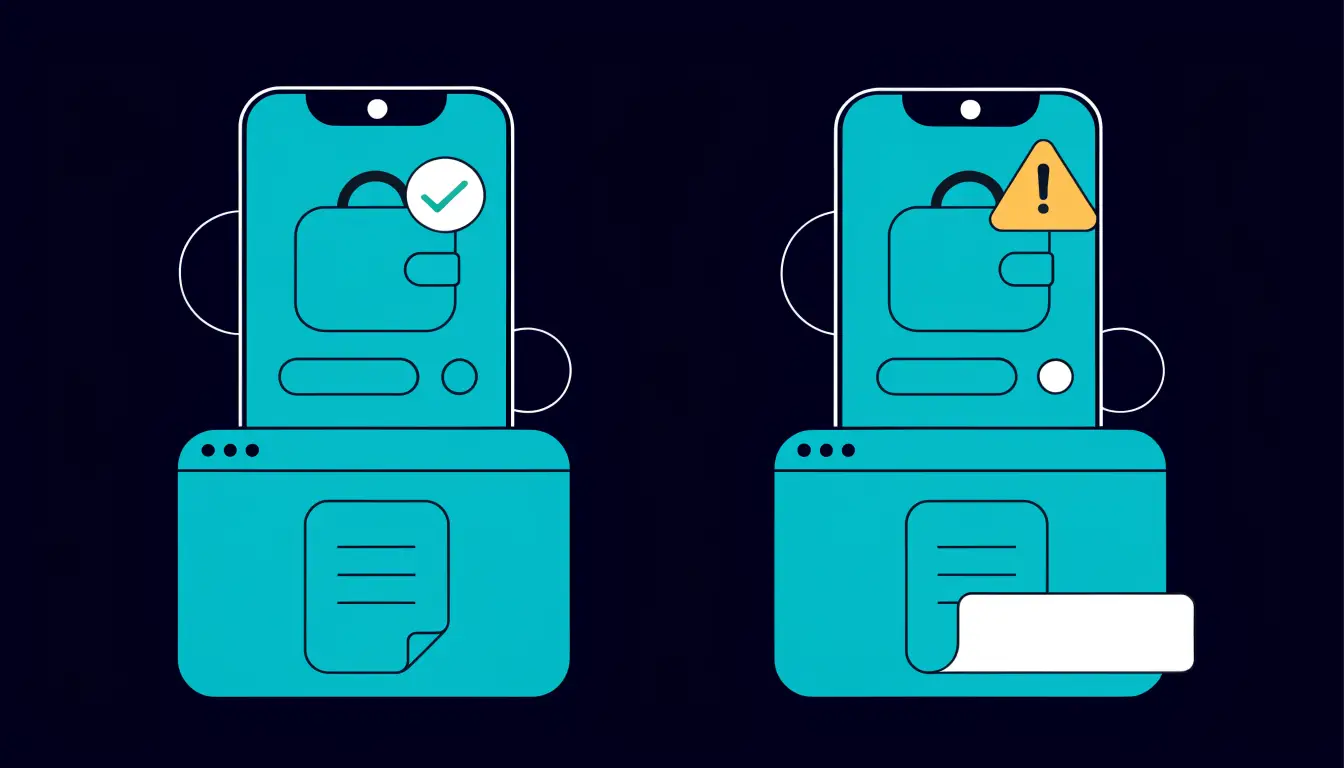
- You are guided to a fake platform. They walk you through signing up on an official-looking app or website. It may show charts, balances, and support chat — all controlled by the scammer.
- Fake profits appear. Your small first deposit seems to grow quickly. You might even be allowed one small withdrawal to prove it "works." This is the hook.
- You are encouraged to deposit more. Seeing gains, and trusting the person, you add larger amounts. They may urge you to "not miss out" on a limited chance.
- Withdrawals get blocked. When you try to take money out, there is a problem: a "tax," a "fee," a "verification deposit." Each one is a fresh way to take more from you.
- They disappear. Once you stop paying or run out of money, the person and the platform vanish. The account, the profits, and the relationship were never real.
The fake platforms used in step four are a scam type of their own. Learn to spot them in our guide to fake crypto apps and websites.
Warning signs to watch for
No single sign proves a scam, but the more of these you notice together, the higher the risk. Trust the pattern, not just your feelings about the person.
- A stranger gets close very fast. Intense affection, "you're special," or talk of a future together within days of meeting online.
- They move you off the app. They quickly ask to switch to a private messaging app, away from the platform where you met.
- Money enters the conversation. They mention an investment "tip," a trading platform, or how well crypto is doing for them.
- Profits look big and guaranteed. They describe steady, high, "safe" returns. A real return is never guaranteed — anyone who says otherwise is not telling the truth.
- You feel pressure to deposit. There is a "limited window," a "special rate," or gentle nudges to add more than you planned.
- Withdrawals do not work. You are asked to pay a fee or tax before you can take your money out, or support keeps stalling.
- The person avoids live video. Excuses pile up whenever you ask to see them in real time.
Warning: the single clearest red flag is this — someone you met online is guiding you to invest, and there is always a new reason you cannot withdraw. That combination is a scam until proven otherwise. Learn related tricks in our guide to how to spot crypto phishing.
How to protect yourself and people you know
You do not need to be an expert to stay safe. A few firm rules block almost every version of this scam.

- Never invest because of someone you only met online. No matter how kind or convincing they are, a stranger's investment tip is not a reason to move your money.
- Verify any platform independently. Do not trust a link they send. Search for the platform yourself, check reviews, and confirm it is properly regulated. Our guide on how to tell if a crypto project is a scam walks you through the checks.
- Remember that a real return is never guaranteed. All genuine investing carries risk. "Safe," "guaranteed," and "risk-free" are the language of fraud, not finance.
- Talk to someone you trust before you act. Scammers work hard to keep you secretive and isolated. Simply saying it out loud to a friend or family member breaks the spell for many people.
- Slow everything down. Pressure is a tool. A real opportunity will still be there tomorrow; a scam needs you to act now.
If you want to help an older relative or a less confident friend, share these rules gently and without judgement. People are far more likely to open up if they know they will not be mocked for it.
What to do if you are a victim
First, be kind to yourself. You were targeted by trained criminals who do this for a living. Feeling embarrassed is normal, but acting quickly matters more than any of that. Here is where to start.
- Stop all payments immediately. Do not send another cent, especially any "fee" or "tax" needed to release your funds. That is just more of the same scam.
- Keep every record. Save chat logs, screenshots, the platform's web address, transaction IDs, and any wallet addresses you sent money to. These help investigators and your bank.
- Report it to the right people. Contact your bank or card provider, and report the fraud to your local police or national anti-fraud line. Reporting also helps protect others, even when recovery is not possible.
- Beware of "recovery" scams. After being scammed, you may be contacted by someone promising to get your money back for a fee. This is almost always the same criminals, or their partners, targeting you a second time.
For a full, step-by-step response — including who to contact and how to secure your accounts — read our guide on what to do if you are scammed in crypto.
Tips and common mistakes
Helpful tips
- Keep money and online romance separate. A genuine connection never depends on you investing anything.
- Do your own search. Look up any platform yourself instead of using a link someone gave you.
- Ask for a live video call early. Repeated excuses to avoid video are a strong warning sign.
- Name the pattern. If a chat matches the stages above, say "this looks like a pig-butchering scam" out loud — it makes the risk real.
Common mistakes to avoid
- Believing "just one small deposit" is safe. The first small win is the bait, not proof the platform is real.
- Keeping it secret. Scammers rely on isolation. Telling someone you trust is a strength, not a weakness.
- Paying a fee to withdraw. Legitimate platforms never ask for an upfront "tax" to release your own money.
- Assuming it only happens to others. These teams target confident, educated people too. Believing you are immune is exactly what they count on.
Frequently asked questions
What is a pig-butchering scam?
It is a long-running fraud where a scammer builds trust or romance with a victim over weeks, then convinces them to invest in a fake crypto platform. The profits shown are fake, and the money cannot be withdrawn.
Why is it called that?
The name is grim slang used by the criminal groups themselves. They compare "fattening up" a pig before slaughter to slowly building a victim's trust and investment before taking everything.
Can I get my money back?
Sometimes, but often it is difficult, because crypto payments are hard to reverse. Report it quickly to your bank and the authorities to give yourself the best chance, and never pay anyone who promises guaranteed recovery for a fee.
How do I know if an investment platform is fake?
Be suspicious if you only found it through someone you met online, if it promises high or guaranteed returns, or if you are charged a fee to withdraw. Verify it independently and check whether it is properly regulated before trusting it.
What should I do if a stranger offers crypto tips?
Treat it as a warning sign, not an opportunity. Do not invest on their word, do not use links they send, and talk to someone you trust. A genuine friend or partner will not push you to move your money.
Summary
Pig-butchering and romance crypto scams work by building real-feeling trust and then abusing it. A stranger befriends you, guides you to a fake investment, shows you fake profits, and then blocks your withdrawals. The relationship and the returns were never real, but the loss is. These are organised, professional crimes, and being caught by one is nothing to be ashamed of.
The defence is steady, not clever: never invest because of someone you met online, verify platforms yourself, remember no return is guaranteed, and talk to someone you trust before you act.
Next step: if this has already happened to you or someone close, act now — read our guide on what to do if you are scammed in crypto.