DNS_PROBE_FINISHED_NXDOMAIN is a browser error that means your device tried to look up a website's address and failed. NXDOMAIN stands for "non-existent domain," so the name could not be turned into an IP address. It is almost always a local DNS problem, and it is usually fixable in a few minutes.
Key takeaways
- The error means the DNS lookup failed — not that the website is truly gone.
- Most of the time the cause is on your side: a typo, a stale cache, or your DNS server.
- Test the site on another device or mobile data to learn whether the problem is you or the site.
- The fastest fixes are to flush your DNS cache and switch to a public resolver like 8.8.8.8 or 1.1.1.1.
- If you own the site, check the domain has not expired and its records point correctly.
"This site can't be reached" — the DNS_PROBE_FINISHED_NXDOMAIN error
You type a web address, press Enter, and instead of the page you get a blank screen that says something like "This site can't be reached" with the code DNS_PROBE_FINISHED_NXDOMAIN. You see it most often in Google Chrome, but Edge, Brave, and other Chromium browsers show the same thing. This page is for anyone who just wants the site to load again — and for site owners who see it on their own domain. Don't worry: this is almost always a small settings problem you can clear yourself. To understand the system behind it, see our guide to what DNS is and how it works.
How to tell what's causing it
Start with a few quick checks before you change any settings. First, re-read the web address slowly — a single wrong letter causes this error every time. Next, open the same site on a different device on the same network, then open it again on mobile data (turn Wi-Fi off on your phone). You can also paste the address into a free online "is it down" or DNS checker. These three tests tell you where the fault sits.
Is it you or the website? If the site loads fine on another device or on mobile data, the problem is your computer, your network, or your DNS server — work through the fixes below. If every device and network gives the same error, and an online checker also fails, the domain itself is likely down, expired, or not pointed at a server — that is a site-owner or DNS-configuration issue, not something you can fix from your end.
What's actually happening
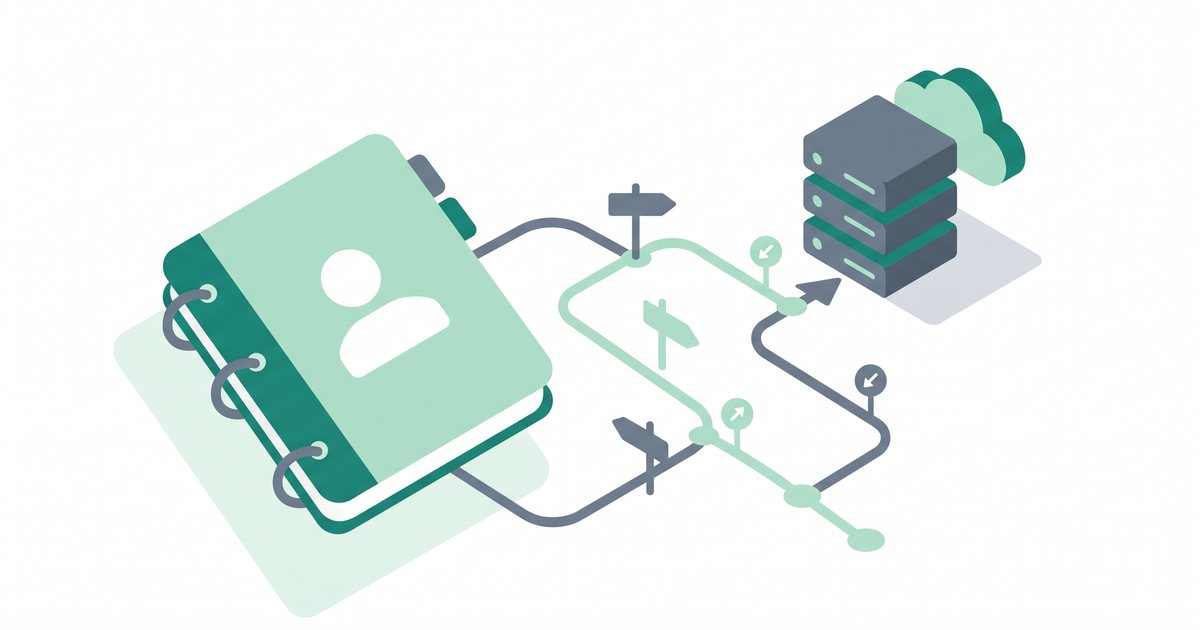
Every website lives at a numeric IP address (a string of numbers that identifies a server). People remember names like example.com, not numbers, so the internet uses DNS (the Domain Name System — the "phone book" that translates names into IP addresses). When you visit a site, your device asks a DNS resolver (a server that looks names up for you) to find that address.
NXDOMAIN is the answer the resolver sends back when it cannot find a matching record — it literally means "non-existent domain." Chrome runs a "probe" to confirm the lookup, that probe finishes with an NXDOMAIN result, and you get DNS_PROBE_FINISHED_NXDOMAIN. The key point: this is a translation failure, not proof the website is gone. A typo, a stale record saved on your machine, or a struggling DNS server can all produce the exact same message. Learn more about the lookup process in our DNS explainer.
Your options at a glance
There is no single "fix" because there is no single cause. Work down the list from easiest to most involved and stop as soon as the site loads. The common causes and their matching fixes look like this:
| Likely cause | Fastest fix |
|---|
| Typo in the address | Re-check and retype the URL |
| Stale local DNS cache | Flush your DNS cache |
| Router or modem glitch | Restart the router |
| Weak or slow DNS server | Switch to a public resolver (8.8.8.8 / 1.1.1.1) |
| VPN, proxy, or firewall | Turn it off to test |
| Expired or unpointed domain (site owners) | Renew the domain; fix the A record / nameservers |
How to fix DNS_PROBE_FINISHED_NXDOMAIN, step by step
- Check the address for a typo. Read the web address one word at a time. A wrong letter, an extra dot, or
.con instead of .com triggers this error. Retype it by hand instead of trusting autocomplete.
- Restart your router and modem. Unplug both for about 30 seconds, plug them back in, and wait for the lights to settle. This clears router-level network and DNS glitches.
- Flush your DNS cache. On Windows, open Command Prompt and run
ipconfig /flushdns. On macOS, run sudo dscacheutil -flushcache; sudo killall -HUP mDNSResponder. This clears bad saved records. Our flush DNS and check propagation guide covers every system.
- Release and renew your IP address. On Windows, run
ipconfig /release and then ipconfig /renew. This asks your network for a fresh connection and often clears the error.
- Change your DNS servers to a public resolver. In your network settings, set your DNS to Google (
8.8.8.8 and 8.8.4.4) or Cloudflare (1.1.1.1 and 1.0.0.1). These are fast and reliable when your default server is struggling.
- Restart the DNS Client service or your network. On Windows, open Services, find DNS Client (Dnscache), and restart it. On Mac, turn Wi-Fi off and on, or restart the machine to reset the DNS service.
- Temporarily disable any VPN, proxy, or firewall. Turn off your VPN or proxy and pause third-party security software, then reload the page. If it now works, one of those tools was blocking the lookup — adjust its settings before turning it back on.
- Clear the browser's host cache. In Chrome, go to
chrome://net-internals/#dns and click Clear host cache. Chrome keeps its own small DNS cache separate from your operating system.
- Try another device or network. Open the site on a phone using mobile data. If it loads there, the fault is your original device or network. If it fails everywhere, move to the next step.
- If you own the site, check the domain and its records. Confirm the domain has not expired (lapsed at the registrar) and that its A record (the record that points a name to an IP) and nameservers are set correctly. See what is DNS for how records point a name to a server.
Common mistakes to avoid
Watch out: Don't assume the website is down just because you see this error. Nine times out of ten it is your local DNS — a stale cache or your own resolver — not the site. Assuming the worst leads people to give up on a site that is perfectly healthy.
The other frequent slip-ups: ignoring an expired domain. If you own the site, a lapsed registration will show NXDOMAIN to everyone until you renew — check the expiry date first. And forgetting a VPN is running. Many people leave a VPN or proxy on and never connect it to the problem; always test with it off. Finally, skipping the retype step — a plain typo is the single most common cause and the easiest to miss.
How to prevent it in future
Set your devices or router to use a reliable public DNS resolver like Cloudflare (1.1.1.1) or Google (8.8.8.8) instead of leaving them on a slow default — this alone stops many random NXDOMAIN errors. If you own a domain, keep its registration current: turn on auto-renew at your registrar and note the expiry date, because a lapsed domain takes your whole site offline. It also helps to keep your router firmware updated and to bookmark sites you visit often so you never rely on typing the address correctly. For server-side errors that are not about DNS, our server errors guide is a useful companion.
Frequently asked questions
What does DNS_PROBE_FINISHED_NXDOMAIN mean?
It means your browser asked a DNS server to find a website's IP address and got no match. NXDOMAIN stands for "non-existent domain," so the name could not be translated into a numeric address. It is a DNS lookup failure, and it usually points to a local settings problem rather than a website that is truly gone.
Is it my computer or the website?
Test the site on another device and on mobile data. If it loads elsewhere, the problem is your computer, network, or DNS server, and the fixes on this page will help. If it fails on every device and network, and an online checker also fails, the domain is likely down, expired, or not pointed at a server — a site-owner issue.
How do I fix it on Windows?
Open Command Prompt and run ipconfig /flushdns, then ipconfig /release and ipconfig /renew. If it persists, change your DNS to 8.8.8.8 or 1.1.1.1 and restart the DNS Client service in Services. These steps clear stale records and give you a fresh, reliable lookup path.
How do I fix it on Mac?
Flush the DNS cache with sudo dscacheutil -flushcache; sudo killall -HUP mDNSResponder, then turn Wi-Fi off and on. If the error stays, open Network settings and set your DNS servers to Cloudflare (1.1.1.1) or Google (8.8.8.8). Restarting the Mac also resets its DNS service.
Will changing my DNS server help?
Often yes. If your default DNS server is slow, misconfigured, or holding bad records, it can return NXDOMAIN for sites that are actually online. Switching to a well-run public resolver like Google or Cloudflare gives you a fresh, dependable lookup and clears the error in many cases.
Why does only one site give this error?
If every other site works and just one fails, the record for that single domain is usually the problem — a stale entry in your cache, a domain that recently changed servers, or, for a site you own, an expired registration or a wrong A record. Flush your cache and, if you own it, check the domain's records.
Is DNS_PROBE_FINISHED_NXDOMAIN a virus?
No. It is a normal network error, not malware. That said, some aggressive VPNs, proxies, or browser extensions can interfere with DNS and trigger it. If it appears suddenly across many sites, disable recent extensions and any VPN or proxy, then test again.
Summary
DNS_PROBE_FINISHED_NXDOMAIN means your device could not translate a web address into an IP address. It is almost always a local DNS issue — a typo, a stale cache, or a weak DNS server — so start by testing on another device, then flush your DNS cache and switch to a public resolver like 8.8.8.8 or 1.1.1.1. If you own the site, confirm the domain is current and its records point correctly. Next, learn how DNS caching and updates spread across the internet in our flush DNS and check propagation guide.