Your First $100 in Crypto: A Safe Starter Guide

Key takeaways
- Start with money you can afford to lose. Crypto prices swing hard, so only use spare cash you will not miss if it drops to zero.
- The goal is to learn, not to get rich. Treat your first $100 as tuition for hands-on lessons, not as a bet that has to pay off.
- Security comes first. Pick a reputable exchange, verify your identity, and turn on two-factor authentication before you buy anything.
- Go slow and small. Understand the fees, buy a small amount, and try one withdrawal to your own wallet to see how it all works.
- Ignore the hype. FOMO, hot tips, and "get rich quick" coins cause most beginner losses. Boring and careful beats fast and reckless.
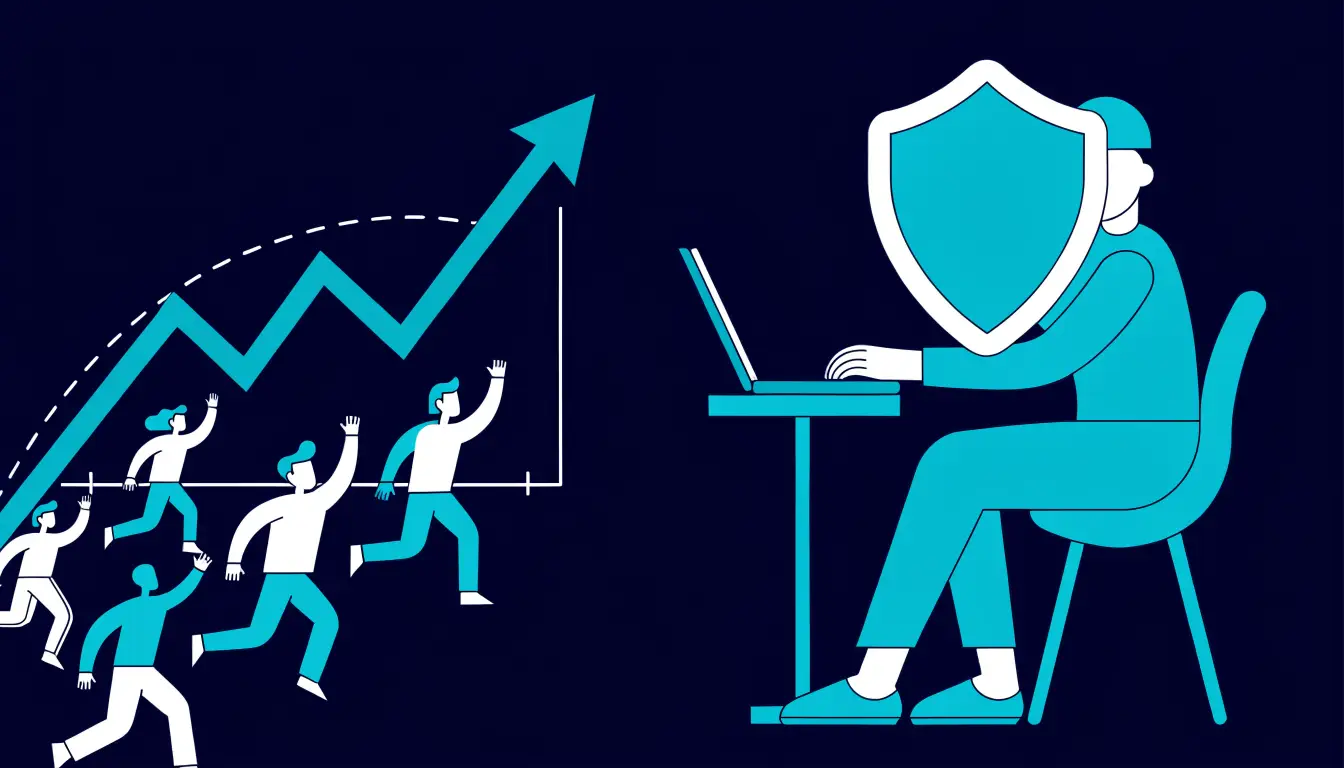
Getting into crypto for the first time can feel confusing. There are thousands of coins, dozens of apps, and a lot of loud voices online. The good news is that you do not need much money to start, and you do not need to understand everything at once. A small amount, used carefully, is one of the best ways to learn.
This guide walks you through making your first $100 in crypto count. We use $100 as an illustrative small starter amount — you could just as easily start with $20 or $50. The point is not the number; it is doing it safely and learning as you go. If crypto is brand new to you, read what cryptocurrency is first, then come back here.
Who this guide is for:
- Complete beginners who want to try crypto with a small, safe amount.
- People who feel nervous about scams and mistakes and want a careful path.
- Anyone who would rather learn by doing than gamble on a big first purchase.
This is education, not advice. Nothing here tells you what to buy or promises any profit. It is a guide to setting up and using crypto safely. Whether to put any money into crypto at all is your decision — see how much to invest in crypto to think that through.
Before you start: mindset and safety
Before you spend a cent, get your mindset right. This matters more than any coin you pick. Three simple rules keep beginners out of trouble.
Only use money you can afford to lose. Crypto is volatile, meaning prices can rise or fall sharply in a short time. Never use rent money, bill money, an emergency fund, or borrowed money. If losing your $100 would hurt your life in any way, that money should not go into crypto.
Expect the value to move — a lot. Your $100 could be worth $80 next week or $130 the week after. That is normal for crypto. If sharp swings would keep you up at night, that is a sign to start even smaller, or to step back and keep reading instead.
Make your first goal learning, not earning. The most valuable thing your first $100 buys is not a coin. It is the experience of setting up an account, buying safely, moving crypto to a wallet, and seeing how fees and prices work. Those lessons stay with you no matter what the price does.
A helpful way to think about it: treat your first $100 like the cost of a short class. Whatever happens to the price, you walk away knowing how crypto actually works — and that knowledge protects you later.
Step 1: Set up securely
Your first real task is to create an account where you can buy crypto. Most beginners start on a crypto exchange — an online platform where you swap regular money (like dollars or euros) for crypto. Getting this step right protects everything that follows.
Pick a reputable exchange. Look for one that is well established, widely used, and available where you live. Compare fees, supported payment methods, and security features rather than picking the first app you see in an ad. Our guide on how to choose a crypto exchange walks through what to check. Major exchanges such as Bitget, Coinbase, Kraken, and others each have trade-offs — compare a short list and choose what fits your country and needs.
Verify your identity. Most trusted exchanges ask you to complete identity checks, often called KYC ("know your customer"). You upload an ID and sometimes a selfie. This is normal and required by law in many places. An exchange that skips these checks entirely can be a red flag.
Turn on two-factor authentication (2FA). This adds a second lock to your account, so a password alone is not enough to get in. Use an authenticator app rather than text-message codes where possible. Do this before you deposit any money — see how to set up 2FA for a step-by-step walkthrough.

Step 2: Make your first small purchase
With your account set up and secured, you can make your first buy. The key word here is small. You do not need to spend the whole $100 at once, and you should never feel rushed.
Start with a tiny test amount. Buying just a few dollars' worth first lets you see how the process works with almost nothing at stake. Once you are comfortable, you can buy more of your $100 if you choose.
Understand the fees before you confirm. Exchanges charge a fee to buy crypto, and there may be a separate deposit or card fee. On a small purchase, fees can take a noticeable slice, so read the summary screen carefully before you press confirm. Knowing the fee is part of the lesson.
Consider a well-known coin to learn with. Many beginners start with a large, well-established cryptocurrency simply because it is easy to research, easy to buy, and widely supported. We are not telling you to buy any specific coin as an investment — this is about picking something simple to practice with. Be cautious with tiny, obscure, or trending coins; those carry far more risk and are where a lot of beginners get burned.
You do not need to buy a whole coin. Crypto can be bought in fractions. Your $100 buys a small slice of an expensive coin, and that is completely normal — you are not "too late" or "priced out."
Step 3: Store it safely
Once you own crypto, you need to decide where to keep it. You have two broad choices, and for a small first amount either can be reasonable.
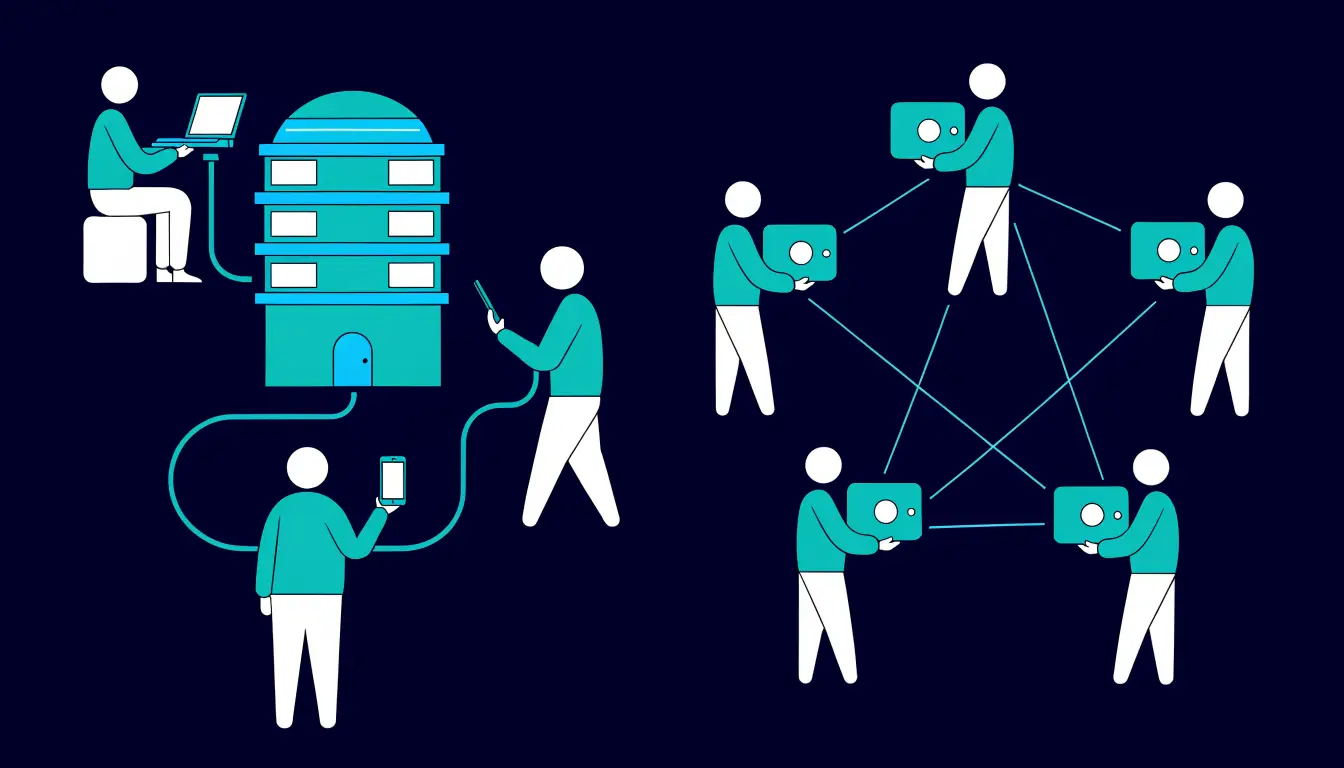
Leave a small amount on the exchange. This is the simplest option and fine for a beginner holding a small sum. The trade-off is that the exchange controls the account, so strong security on your side (a good password and 2FA) matters a lot.
Or move it to your own wallet. A personal wallet gives you direct control of your crypto. Wallets come in two types: hot wallets (connected to the internet, convenient for small amounts) and cold wallets (kept offline, safer for larger, long-term holdings). For a full breakdown, read hot vs cold wallets.
For your first $100, you do not need an expensive hardware wallet. But learning to move crypto to a wallet you control is a valuable exercise — which brings us to the best way to use that first $100.
What to do with your first $100 to learn the most
The real value of your first $100 is the practice it gives you. Here is a simple, low-risk way to learn the core skills by doing them, safely and in small steps.

- Make a small buy. Use a few dollars to complete one full purchase from start to finish. You will learn how orders, prices, and fees work in practice.
- Do a small test transfer. Withdraw a tiny amount to your own wallet. Sending a small "test" first — before any larger transfer — teaches you how wallet addresses and network fees work without risking much. Double-check the address every time.
- Track it over time. Watch how your holding's value changes across a few weeks. Seeing the ups and downs firsthand teaches you about volatility better than any article can, and it helps you learn how you react to price swings.
Notice that none of this is about "winning." It is about building habits — checking addresses, reading fee screens, staying calm during price moves — that protect you when the amounts get larger.
Tips and common mistakes
Helpful tips
- Go slow. There is no prize for rushing. Take your time on each step and understand it before moving on.
- Write down what you learn. Note the fees you paid, how a transfer felt, and any confusion. This turns $100 into a real lesson.
- Keep your logins safe. Use a strong, unique password and 2FA, and never share your recovery details or wallet seed phrase with anyone.
- Be skeptical of "help." No legitimate service or support agent will ever ask for your password or seed phrase, or promise to grow your money for you.
Common mistakes to avoid
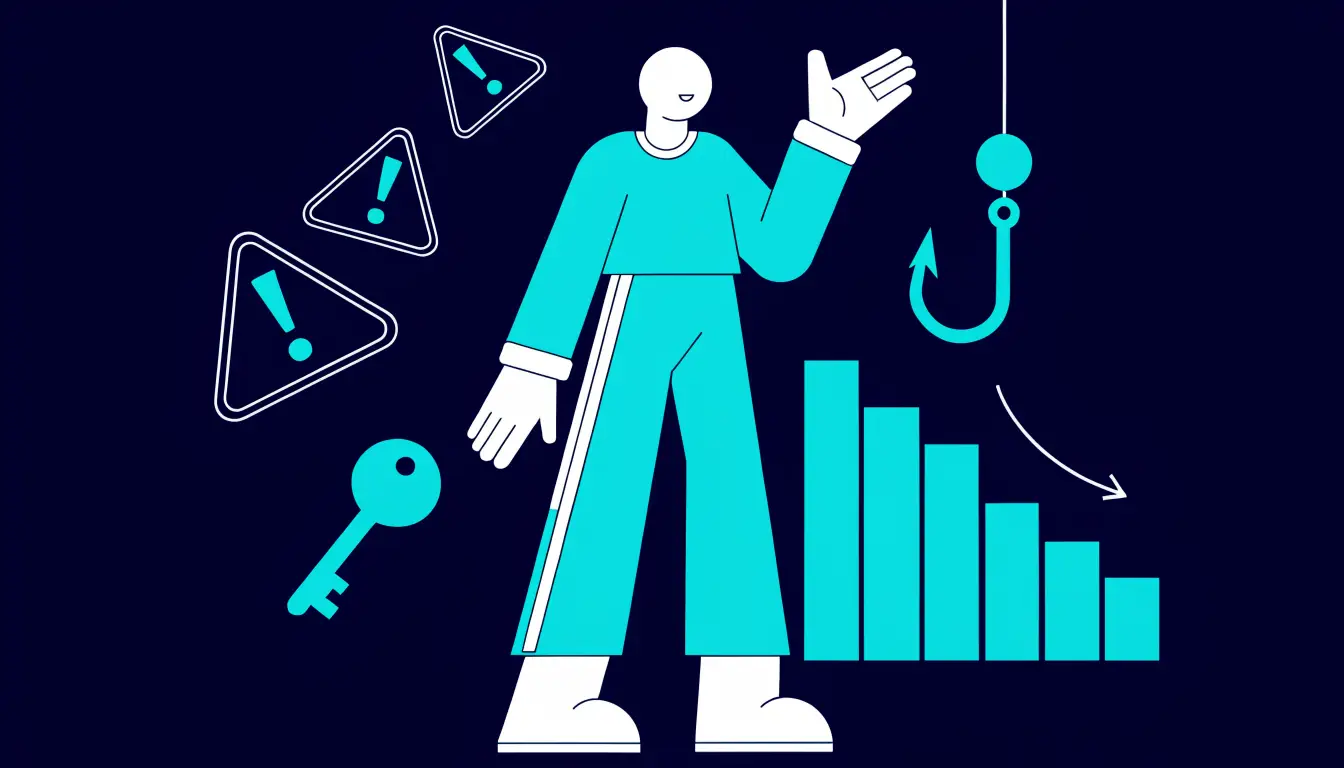
- Acting on FOMO. Fear of missing out pushes people to buy at the worst times. If a coin is "mooning" and everyone is shouting about it, that is a reason to slow down, not speed up.
- Overinvesting. Putting in more than you can afford to lose — or adding money you need for bills — is the fastest way to real harm.
- Chasing hype and hot tips. Tiny "next big thing" coins and tips from strangers online are where beginners lose the most. Stick to learning, not gambling.
- Skipping security. Buying before setting up 2FA, or storing your seed phrase in a photo or the cloud, can undo everything else you did right.
For a fuller list of traps to sidestep, see our guide to common beginner crypto mistakes.
Frequently asked questions
Is $100 enough to start in crypto?
Yes. Crypto can be bought in small fractions, so $100 — or even less — is plenty to learn the basics. For a first attempt, the amount matters far less than doing it safely and understanding each step.
What should a beginner buy first?
This guide does not recommend any specific coin. Many beginners practice with a large, well-known cryptocurrency simply because it is easy to research and widely supported. Whatever you choose, treat it as a learning exercise and only use money you can afford to lose.
Can I lose all my money?
Yes. Crypto is volatile, and it is possible for a holding to lose most or all of its value. That is exactly why you should only ever use spare money you can afford to lose, and why your first goal should be learning rather than profit.
Where should I keep my first crypto?
For a small first amount, leaving it on a reputable exchange with strong security is reasonable. Moving it to your own wallet gives you more control and is a great skill to practice. See our guide to hot vs cold wallets to decide what fits.
Do I need to buy a whole coin?
No. You can buy a fraction of a coin, so an expensive cryptocurrency is not out of reach. Your $100 simply buys a small slice, which is completely normal and no disadvantage as a beginner.
Summary
Your first $100 in crypto is best treated as a hands-on lesson, not a money-making bet. Use only cash you can afford to lose, set up a reputable exchange with verified identity and 2FA, make a small purchase while watching the fees, and practice storing and moving your crypto safely. Do that, and whatever the price does, you come away knowing how crypto really works — which is the most useful thing $100 can buy at the start.
Next step: now that you know the safe way in, learn the traps to avoid in our guide to common beginner crypto mistakes.